
Things to Do in the Algarve: 21 Best Picks for 2026
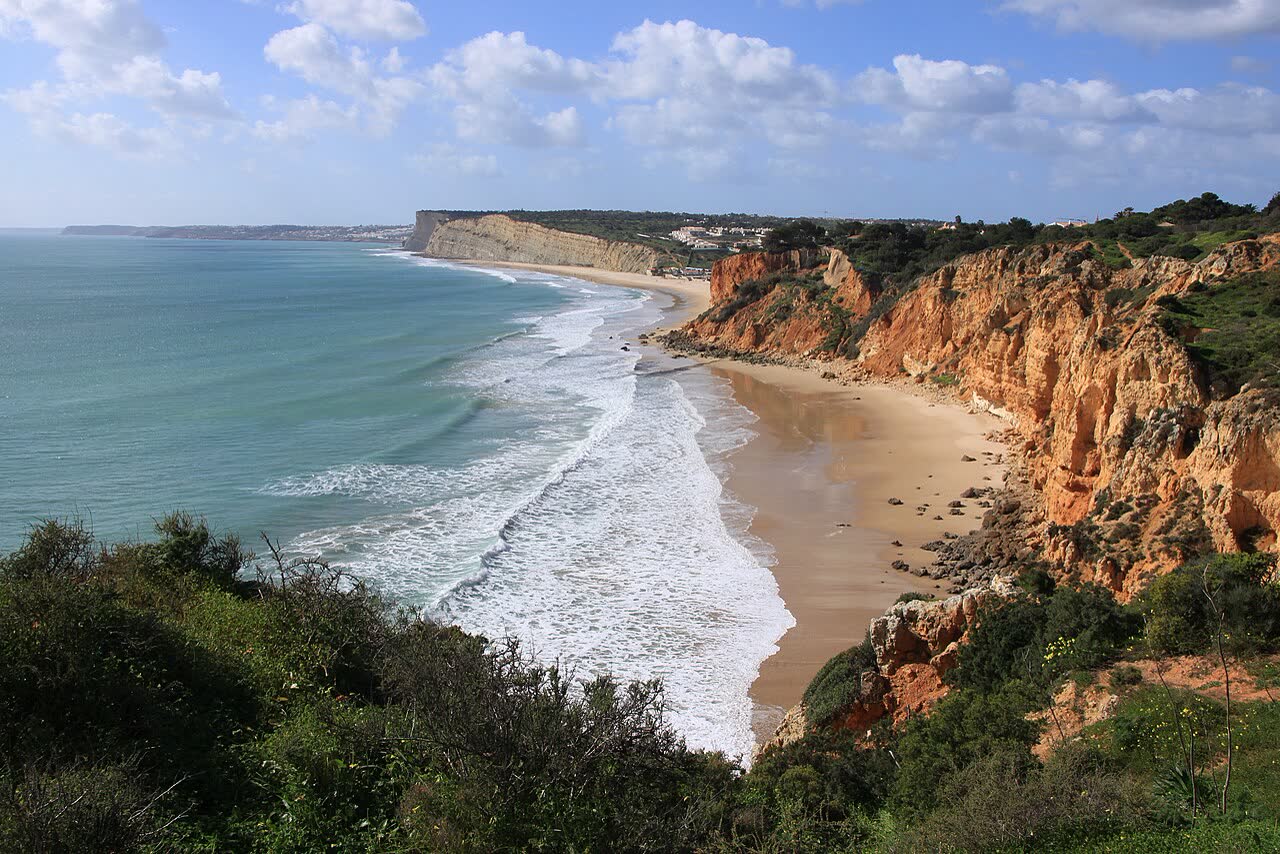
The Algarve is Portugal’s sunny south coast: about 150km of golden cliffs, sea caves and island beaches, backed by whitewashed towns and cork-oak hills. Here are the best things to do in the Algarve in 2026, with the rules and closures older guides miss and a link to our detailed guide for each one.
Quick answer: see Benagil Cave on a licensed boat or guided kayak tour (no swimming since 2024), walk the Seven Hanging Valleys trail, explore Ponta da Piedade in Lagos, watch the sunset at Cape St Vincent, take a ferry to the Ria Formosa islands, and wander Tavira, Faro and Silves. Note: the Praia do Camilo stairs are closed in 2026, and outdoor water parks close in winter.

Coast, caves and beaches
1. See Benagil Cave from the water
The sea cave with a hole in its roof, between Carvoeiro and Armação de Pêra, can only be visited on a licensed boat, guided kayak or guided paddleboard tour. Since August 2024 nobody may swim to it or land on the sand inside. Boats from Portimão and Armação de Pêra start at about €20, and guided kayaks from Benagil beach cost about €30 to €40. Book early in your stay, as rough seas cancel trips. See our Benagil Cave guide and the best Algarve boat trips.
2. Walk the Seven Hanging Valleys trail
The Algarve’s most famous walk runs along the clifftops for about 5.7km one way, from Praia da Marinha to Vale Centeanes near Carvoeiro, passing above the Benagil skylight. Allow two to three hours each way, start by 8am in summer as there’s almost no shade, and take a taxi back. For a shorter stroll, try the Carvoeiro boardwalk to Algar Seco. See the Seven Hanging Valleys trail and the best hikes in the Algarve.
3. Swim at Praia da Marinha
This protected cove has golden cliffs, a double rock arch seen from the clifftop east of the car park, and clear water for snorkelling on calm days. The free car park fills by mid-morning in July and August, so arrive before about 10am. See Praia da Marinha.
4. Explore Ponta da Piedade in Lagos
About 2km south of Lagos, this headland of sea stacks and grottos is free, with clifftop boardwalks and about 180 to 200 steps down to the water, where boatmen run short trips for about €15 to €20 in cash. The nearby Praia do Camilo stairs have been closed since the storms of winter 2025 to 2026, with no reopening date yet, so see that cove from the top or a boat. See Ponta da Piedade and Praia do Camilo.
5. Beach-hop along the coast
The Algarve had 86 Blue Flag beaches in 2026. Choose Praia da Falésia for 6km of sand under red cliffs, Dona Ana for a classic Lagos cove, Meia Praia or Ilha de Tavira with small children, and Bordeira or Odeceixe for wild Atlantic surf. The south-coast sea reaches about 21 to 23°C in August and September. See the best Algarve beaches and kid-friendly Algarve beaches.
6. Go dolphin watching
Common and bottlenose dolphins are seen most of the year on trips from Lagos, Portimão, Albufeira, Vilamoura and Sagres. Expect 1.5 to 2.5 hours at sea for about €30 to €45 per adult. Choose a catamaran over a bouncy RIB with young children, and ask about a free retry if you see none. See dolphin watching in Portugal.
Towns and villages
7. Wander Lagos old town
With a walled old town, a marina and plenty of restaurants, Lagos is the most rounded base in the west. See the gilded Igreja de Santo António with the Lagos Museum (usually closed on Mondays) and try Dom Rodrigo, the local egg-and-almond sweet. The Slave Market museum and the Ponta da Bandeira fort have had long closures, so check first. See things to do in Lagos.
8. Spend a day in Faro
Faro’s walled old town, entered through the Arco da Vila, is quiet and topped with storks’ nests. Climb the cathedral tower (about €5) for lagoon views and see the Chapel of Bones at the Igreja do Carmo (about €2 to €3, cash, closed Sundays). Inland at Estoi, the Roman villa of Milreu closed in April 2026 for about four months of works, so check it has reopened. See things to do in Faro and Estoi and Milreu.
9. Slow down in Tavira
Tavira is a low-rise river town with a seven-arched old bridge, a castle, more than 20 churches and octopus from neighbouring Santa Luzia. From Quatro Águas, about 2km east, an all-year ferry crosses to Ilha de Tavira in under 10 minutes for about €2 return. Check the last boat back, especially in winter. See Tavira and the eastern Algarve and Ilha de Tavira.
10. Watch the sunset at Cape St Vincent
The clifftops at the south-western tip of mainland Europe, 6km from Sagres, are free and always open, though the lighthouse complex is closed to visitors. Arrive early for sunset and bring a jacket, as it’s windy all year. By day, walk the headland at the Fortaleza de Sagres (€10 for adults) and swim at sheltered Mareta or Martinhal. See Sagres and Cape St Vincent.
11. Head inland to Silves and Monchique
Silves, the old Moorish capital, has the Algarve’s best-preserved castle, in red sandstone (€2.80, or €3.90 with the archaeology museum). Half an hour’s drive away, Fóia is the region’s highest point at 902m, and the spa village of Caldas de Monchique sits on the road up; its spa has been under renovation, so check what’s open. Try medronho, the local strawberry-tree brandy, but not before driving. See Monchique and Silves and Caldas de Monchique.
12. Visit Cacela Velha and the villages
Cacela Velha, 15 minutes east of Tavira, is a few white houses, a church and a small fort on a bluff above the lagoon, with fresh oysters and a lovely sunset. At low tide you can wade across to the sandbar beach. Elsewhere, try Ferragudo, Salema and Burgau on the coast, or Alte and Salir inland, where you’ll need a car. See Cacela Velha and the best Algarve villages.
Nature and islands
13. Take a boat into the Ria Formosa
This 60km lagoon of channels, salt marsh and barrier islands, from near Quinta do Lago to Manta Rota, has been a natural park since 1987. Boat tours from Faro and Olhão last two to four hours and look for flamingos and spoonbills, best from autumn to spring. To explore on foot, walk the nature trail at the park centre at Quinta de Marim, east of Olhão. See the Ria Formosa Natural Park.
14. Spend a day on a car-free island
Public ferries from Olhão reach Culatra in about 30 minutes and Farol in 45, for about €2.20 to €2.50 each way in cash, and Armona in 15. From Faro, a 45-minute boat goes to uninhabited Ilha Deserta, with one restaurant and a walk to Cabo de Santa Maria, mainland Portugal’s southernmost point. Winter timetables are thin, so note the last boat back. See Culatra Island and Ilha Deserta.
15. Drive the wild west coast
North of Sagres, the protected Costa Vicentina has high cliffs and big, empty beaches such as Bordeira, Amado, Arrifana and Odeceixe. Learn to surf, or walk a stage of the 226.5km Fishermen’s Trail. The Atlantic is colder and rougher here, so swim only at lifeguarded beaches, and hire a car, as buses are rare. See the Costa Vicentina, the Fishermen’s Trail and surfing in Portugal.
Food and markets
16. Shop the Saturday markets
Loulé’s red-domed market hall, opened in 1908, sells fish, cheese, honey, figs and almonds from Monday to Saturday, with farmers’ stalls around it on Saturday mornings. Olhão’s twin waterfront halls from 1916 are just as good. Go before 10am, bring cash and your own bags, and note that most covered markets close on Sundays. See Algarve markets, Loulé and Olhão.
17. Share a cataplana
The Algarve’s signature dish is seafood, fish or pork and clams steamed in a hinged copper pan, the cataplana, and opened at the table. It usually serves two and takes 30 to 45 minutes, so order early. In the east, try clams (amêijoas) and oysters from the Ria Formosa; around Sagres, look for percebes (goose barnacles). See cataplana in the Algarve and what to eat in the Algarve.
18. Eat piri-piri chicken in Guia
Guia, a few minutes from Albufeira, has been grilling small chickens over charcoal with chilli oil since the 1960s, and Restaurante Ramires is the best-known name. Order a half chicken (meio frango) each with chips and salad, and add the piri-piri oil at the table a few drops at a time. See piri-piri chicken in the Algarve.
Family days and activities
19. Spend a day at Zoomarine or a water park
Zoomarine in Guia mixes dolphin and sea lion shows, an aquarium, rides and pools; its 2026 season runs from 12 March to 28 November, with adult tickets from €28.90 online in low season. The outdoor slide parks (Slide & Splash, Aqualand, Aquashow) close for winter, but Aquashow’s heated indoor park in Quarteira runs all year. See Zoomarine, Algarve water parks and the Algarve with kids.
20. Play a round of golf
The Algarve has around 40 courses, mostly between Vilamoura and Lagos, and the best season is October to April. Green fees range from about €45 to €120 at value courses such as Morgado, Boavista and Espiche to about €180 to €280 at Quinta do Lago South and Monte Rei. Top courses usually ask for a handicap certificate. See the best Algarve golf courses.
Day trips
21. Cross into Spain for Seville
Seville is about 2 to 2.5 hours by road from Faro or Tavira. There’s no train, so drive, take a bus from Faro or join a tour, and remember Spain is an hour ahead. Book a timed slot for the Real Alcázar in advance; the Cathedral and Giralda cost about €13 online. See a Seville day trip from the Algarve and the best day trips from the Algarve.
West or east?
Faro roughly splits the coast in two. The west (Lagos, Carvoeiro, Sagres) has golden cliffs, coves, boat trips and surf. The east (Olhão, Tavira, Cacela Velha) has island beaches, calmer, slightly warmer water and quieter towns. Albufeira and Vilamoura, in the middle, have the big resorts and nightlife. With a week, split your stay between Lagos and Tavira. See east vs west Algarve and where to stay in the Algarve.
Getting around
A car is easiest for the coves, the west coast and the inland villages, and the A22 motorway has been toll-free since January 2025. The railway from Lagos to Vila Real de Santo António via Faro and Tavira has been electric since July 2026, with roughly hourly trains east of Faro and one about every two hours to the west. Albufeira’s station is about 6km from town, so use Vamus buses, taxis, Uber or Bolt. See getting around the Algarve and car rental in Portugal.
When to go
May, June and September are the best all-round months: warm, with fewer people than July and August. October to April suits walking and golf, with winter days of about 16 to 18°C. Bear in mind:
- Lifeguards: mostly June to September.
- Water parks: outdoor parks close in winter; Zoomarine’s 2026 season ends on 28 November.
- Boats: fewer island ferries in winter, and rough seas cancel cave trips.
- Closed in 2026: the Praia do Camilo staircase and the Cape St Vincent lighthouse. Check that Milreu has reopened.
See the best time to visit the Algarve and the Algarve in winter.
FAQ
Can you still visit Benagil Cave?
Yes, on a licensed boat trip or a guided kayak or paddleboard tour. Swimming to the cave and landing on its beach have been banned since August 2024.
How many days do you need in the Algarve?
Three days covers one area, such as Lagos and Benagil. With a week you can see both the west and the east. See 3 days in the Algarve and the 7-day Algarve itinerary.
Do you need a car in the Algarve?
Not if you stay near the station in Lagos, Faro or Tavira. For the west coast, the coves around Benagil and the inland villages, a car makes life much easier.
What is there to do in the Algarve in winter?
Coastal walks, golf, Faro, Tavira and Silves, Loulé’s market and birdwatching in the Ria Formosa. Aquashow’s indoor water park stays open.
More: the best tours in the Algarve, the Algarve on a budget, the best hotels in the Algarve and the best things to do in Portugal.
Prices and details change, so please double-check before you travel. Spotted something out of date? Tell us in the groups.
Still got questions?
Ask 305,000+ travellers and locals in our free Facebook groups.