
Cacela Velha: The Algarve's Prettiest Viewpoint
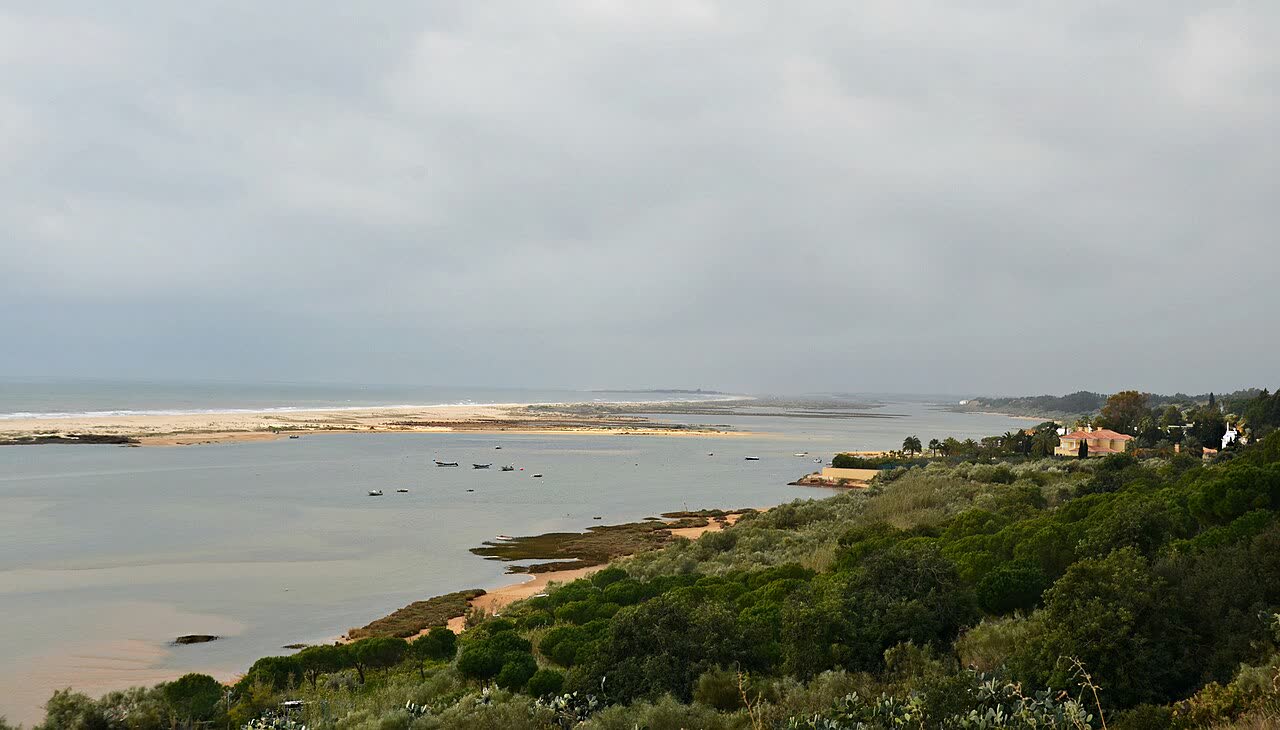
Cacela Velha is one of the prettiest spots in the Algarve: a tiny whitewashed village with a small fort and church on a bluff above the Ria Formosa lagoon, looking out to a sandbar beach. It’s especially magical at sunset, and famous for its oysters.
Quick answer: Cacela Velha is in the eastern Algarve, about 15 minutes east of Tavira. Admire the view from the church square, have oysters and a glass of wine, and at low tide wade across to the sandbar beach (or take a small boat at high tide). Arrive early in summer, as parking is limited.

Why go
Cacela Velha is a handful of low white houses, a church, a fort and a cemetery, all perched above the eastern end of the Ria Formosa. From the edge of the bluff you look down on turquoise channels, a long ribbon of sand and the open Atlantic beyond. There are no high-rise hotels and no big resorts, which is rare on the Algarve coast. It is the kind of place you visit for an hour and end up staying for the afternoon.
A little history
Cacela is much older than it looks. In Moorish times it was a small walled town called Qastalla, and archaeologists have found the remains of Islamic houses and streets here. Its best-known son is the poet Ibn Darraj al-Qastalli (958 to 1030), who worked at the court in Córdoba. After the Christian reconquest in the 13th century the town declined, and by the late 18th century only a few houses stood around the church. Several lanes are now named after poets who wrote about the village, including Sophia de Mello Breyner Andresen and Eugénio de Andrade.
Things to do
- The viewpoint: the lagoon, the sandbar and the ocean from the church square. This is the classic photo of Cacela Velha. Allow 15 to 20 minutes, longer if you sit on the wall and watch the tide.
- The church: the Igreja de Nossa Senhora da Assunção, a simple whitewashed parish church first built in the 16th century and largely rebuilt after the 1755 earthquake. Its carved Renaissance doorway is one of the few original parts. Opening is irregular, so a look inside is a bonus.
- The fort: the small fortress at the southern edge of the village was rebuilt from 1770 on the site of an older castle to guard this stretch of coast. Today it houses a GNR (National Republican Guard) post, so it is not open to visitors, but its walls frame the view.
- The beach: a quiet sandbar beach on the barrier island, reached on foot at low tide or by boat. Its long, open sands and clear water regularly appear on lists of Portugal’s best beaches.
- Oysters and seafood: from the lagoon. See the seafood guide.
- Sunset: one of the loveliest in the Algarve. See the best sunset spots.
Getting to the beach
At low tide you can wade from the shore below the village across the shallow channel to the sandbar. The water can reach your knees or higher, and the tide comes back in quickly, so watch the time if you plan to walk back.
The easier option is the small boat crossing from Fábrica, a hamlet about 1 km west of the village (follow the signs downhill). Local boatmen ferry people across to the beach every day in summer, and the rest of the year only in good weather. It is a crossing of just a few minutes.
Getting there
- By car: Cacela Velha is just off the N125 between Tavira and Vila Real de Santo António. Allow about 15 minutes from Tavira and about 40 minutes from Faro, using the A22 motorway, which has been toll-free since January 2025. There are small car parks at the edge of the village. Cars cannot drive into the centre.
- By train: regional trains on the Algarve line stop at Cacela station in Vila Nova de Cacela, about 2 to 2.5 km inland along a road with little shade. The whole line has been electric since July 2026, and many trains now run straight through between Lagos and Vila Real de Santo António. A taxi from Tavira is simpler.
- On foot or by bike: the coastal paths and the Ecovia do Litoral cycle route pass nearby. See cycling in Portugal.
How long to spend
An hour covers the village and the viewpoint. A half day lets you add the beach and a long seafood lunch. A good plan:
- Late morning: park, walk the lanes and take in the view.
- Midday: boat across from Fábrica and spend a few hours on the beach.
- Late afternoon: come back for oysters and a glass of wine, and stay for sunset over the lagoon.
Food
- Oysters: the Ria Formosa is a major oyster-growing area, and you can eat them very fresh here, often with a squeeze of lemon and chilled white wine.
- Clams: amêijoas from the lagoon, cooked with garlic and coriander.
- Grilled fish: whatever the boats brought in that day.
- Cataplana: the Algarve’s famous seafood stew. See cataplana in the Algarve.
When to go
- May, June and September: warm weather, fewer people and easier parking.
- July and August: lovely but busy, especially at sunset. Come early or late.
- Winter: peaceful and still beautiful, though the boat to the beach may not run.
Nearby
- Manta Rota: the long beach just east of the village, which you can drive to. It has beach cafes and suits small children.
- Tavira: a handsome river town with a castle, old churches and the Ilha de Tavira beach. See Tavira and the eastern Algarve.
- Vila Real de Santo António: the 18th-century grid-planned town on the Guadiana, with Spain across the river. See Vila Real de Santo António.
Tips
- Tides: check them before wading across.
- Parking: small car parks fill quickly in summer.
- Bring: water, sun protection and shade for the beach, as there are no facilities on the sandbar.
- Respect the village: people live here, so keep noise down in the lanes.
- Stay nearby: in Tavira or Monte Gordo. See where to stay in Tavira and Monte Gordo.
FAQ
Can you walk to Cacela Velha beach?
Yes, but only around low tide, when you can wade across the shallow channel below the village. Check the tide times first, as the water rises quickly. At other times, take the short boat crossing from Fábrica.
Is there parking in Cacela Velha?
There are small car parks at the edge of the village, and you can’t drive into the centre. They fill quickly in July and August, so arrive early or come later in the afternoon.
Are there facilities on the beach?
No. The sandbar has no cafes, toilets or shade, so bring water, snacks and sun protection. Food and drink are back in the village.
More: the best Algarve villages, the Ria Formosa and Algarve photo spots.
See also: Ilha de Tavira.
Prices and details change, so please double-check before you travel. Spotted something out of date? Tell us in the groups.
Still got questions?
Ask 305,000+ travellers and locals in our free Facebook groups.