
Tavira and the Eastern Algarve: Islands, Ria Formosa and Cacela Velha
The eastern Algarve is the calmer, more traditional side of the coast. There are no big resorts, just whitewashed towns, island beaches reached by little ferries, and the lagoons of the Ria Formosa full of flamingos. Tavira is the jewel, and it makes a perfect base. Here’s how to explore it, from the island beaches to a quick hop over to Spain.
Quick answer: stay in Tavira. Take the ferry to Ilha de Tavira for miles of sand, see the anchor cemetery at Praia do Barril, wander tiny Cacela Velha, and do a Ria Formosa boat trip from Olhão to the car-free islands of Culatra and Armona. The beaches here face the warmer water of the eastern Algarve, too.
Why go
The west of the Algarve is all cliffs and coves. The east is flatter and gentler: long sandy islands sit just offshore, protected lagoons lie behind them, and the sea is usually calmer and a little warmer. The towns grew from fishing and salt, not package tourism, so they feel lived-in. It suits families with young children, couples who want a slower pace, walkers, cyclists and birdwatchers.
Getting there
- From Faro: the train to Tavira takes about 35 minutes and costs a few euros. Since 19 July 2026 the whole Algarve line has been electric, with more trains, and many (but not all) now run straight through between Lagos and Vila Real de Santo António via Tavira. Faro airport is about 30 minutes away by car. See Faro airport transfers.
- From Lisbon: about 3 hours by car, or train to Faro and change. See Lisbon to the Algarve.
- A car helps for Cacela Velha and the smaller beaches, but you can do a lot by train, bus and ferry.
- Driving: the A22 motorway runs the length of the Algarve and has been toll-free since January 2025. The old N125 coast road is slower and passes through every town.
How long to spend
Give Tavira itself one full day, then add a day for the islands and one for Olhão or the trip east to Castro Marim and Spain. Three or four nights is a good stay. With a week, you can add slow beach days on Ilha de Tavira and walks in the Ria Formosa.
Tavira
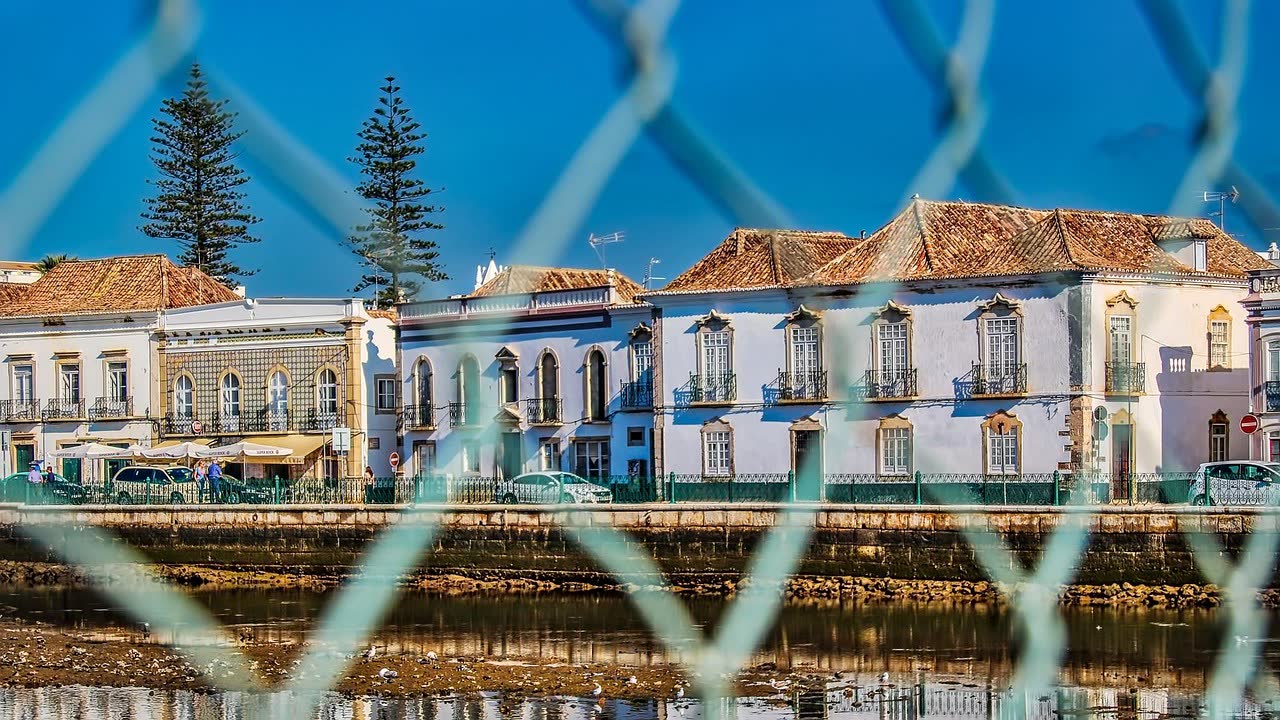
A gorgeous, unhurried town on the Gilão river, with a Roman-style bridge, more than 20 churches, hipped roofs and tiled facades.
- Castle and Santa Maria church: climb up for views over the rooftops.
- The riverfront: cafes, the old market hall and evening strolls.
- Eat: octopus (Santa Luzia, next door, calls itself the octopus capital), tuna, and xarem (corn porridge with clams).
- The old bridge: the seven-arched footbridge over the river is called the Roman bridge, though what you see today was largely rebuilt in later centuries. It links the two halves of the old town.
- Camera obscura: inside the old water tower near the castle, a periscope projects a live view of the town onto a dish. Check opening times before you go.
Tavira was one of the Algarve’s great tuna-fishing ports, and you can still taste that in its tuna dishes. Look out too for cataplana, a seafood stew cooked in a hinged copper pan (see our cataplana guide), and almond and fig sweets in the bakeries.
A one-day route
Start with coffee by the river, then walk up to the castle and Santa Maria church while it’s cool. Cross the old bridge and wander the lanes on the far bank. After lunch, take the ferry to Ilha de Tavira for the afternoon on the beach. Come back for a sunset stroll along the river and dinner in town.
Ilha de Tavira
A long barrier island with an endless sandy beach, a campsite and a few beach bars. Ferries go from Quatro Águas (a 20-minute walk or short taxi east of town, with the quickest and cheapest crossing, about €2 return) and, in summer, straight from the town centre. Boats run every 15–30 minutes in summer, but only a few times a day in winter, so check the last boat back.
The crossing from Quatro Águas takes only a few minutes. Walk a little way from the ferry landing and the crowds thin out fast. Shade is scarce, so bring a parasol or rent one.
Praia do Barril and the anchor cemetery
At Pedras d’El Rei, cross the footbridge over the lagoon and either walk (about 1.5km) or ride the little tourist train to Praia do Barril. Behind the beach, over 200 rusting anchors from the old tuna-fishing days line the dunes, a striking sight. Storms have affected the anchors in recent years, so expect some changes. There are cafes in the old fishermen’s cottages.
The anchors were left behind when the tuna fishery here closed in the 1960s, after the catches collapsed. The cottages once housed the fishing crews and their gear. The train costs a couple of euros and runs mainly in the warmer months.
Cacela Velha
A tiny whitewashed village on a bluff above the lagoon, with a little fort, a church and one of the prettiest views in the Algarve. At low tide you can wade across to the beach. In summer, little boats take you over. Arrive early, as parking is limited.
Check the tide times before you go, as the channel fills quickly when the tide turns. Sunset from the churchyard wall is lovely. More in our Cacela Velha guide.
Olhão and the Ria Formosa islands

Olhão is a working fishing town with a fantastic red-brick market on the waterfront (go on a Saturday morning). From the pier, ferries go to two car-free islands:
- Armona: about 15 minutes, with holiday huts, a long beach and calm lagoon water. Great for families.
- Culatra: about 30 minutes to Culatra village and 45 minutes to Farol, a real fishing village with sandy lanes and a wild beach.
Ferries are cheap (a few euros, cash only). In summer, boats to Armona run every 30 to 60 minutes and to Culatra about seven times a day; in winter there are only four a day. See our Culatra guide. Or join a Ria Formosa boat tour to see flamingos, oyster beds and several islands in one trip. Places to stay in Olhão.
The old quarter behind the market is a maze of cube-shaped houses with flat roof terraces, quite unlike the rest of the Algarve. The Ria Formosa is a protected natural park, so stay on the boardwalks across the dunes and take your rubbish home. See the Ria Formosa natural park guide.
Further east: Castro Marim and Spain
- Castro Marim: a hilltop castle overlooking the salt marshes, where you can often spot flamingos. Its medieval fair in late summer is great fun.
- Vila Real de Santo António: a neat, grid-planned town on the Guadiana river.
- Ayamonte, Spain: the little ferry across the river takes about 15 minutes and costs around €2.50 each way for adults. You buy the ticket at the pier, with no need to book. Spain is an hour ahead, so watch the clock for the last boat back!
Castro Marim’s medieval fair, the Dias Medievais, ran from 26 to 30 August in 2026, with jousting, street theatre and a craft market in and around the castle. Vila Real de Santo António was rebuilt from scratch in the 1770s on a grid plan, much like Lisbon’s Baixa, and its main square is paved in a black and white pattern. Monte Gordo, just west, has a long, gently shelving beach.
When to go
June to September for beach days (the island ferries run most often then). Spring and autumn are lovely for walking and birdwatching, with fewer people and good prices. Winter is quiet but sunny, and some island cafes close.
September and October are a sweet spot: the sea is at its warmest and the crowds have gone.
Practical tips
- Bring cash for ferries, beach bars and the little train, as card machines aren’t everywhere.
- Check the last ferry back from each island before you settle in for the afternoon.
- Cycling is easy here: the land is flat and the Ecovia do Litoral cycle route runs along this coast.
FAQ
Is Tavira worth visiting?
Yes, if you want a real town rather than a resort. It has a pretty old centre on a river, good food and long island beaches a short ferry ride away. Nightlife is low-key, so party-goers may prefer Albufeira.
How do you get to Ilha de Tavira?
By ferry. The quickest and cheapest crossing leaves from Quatro Águas, about €2 return and running all year, with extra boats from the town centre in summer. In winter there are only a few sailings a day, so check the last one back.
Do you need a car in the eastern Algarve?
Not for Tavira, Olhão and the islands, which you can reach by train and ferry. A car helps for Cacela Velha, Castro Marim and the smaller beaches.
Can you visit Spain from Tavira?
Yes. Drive or take the train to Vila Real de Santo António, about 30 minutes, then catch the 15-minute ferry to Ayamonte. Remember that Spain is an hour ahead.
More Algarve
See the best Algarve beaches, Benagil cave, Lagos and the western Algarve and our driving in Portugal tips.
From our sister blog: Olhão, the hidden gem of the Algarve on Sunset Travellers.
See also: Lagos vs Tavira, Monte Gordo, Vila Real de Santo Antonio, the best hotels in Tavira and Ilha de Tavira.
Some links in this guide are affiliate or referral links (GetYourGuide, Booking.com, Discover Cars, Welcome Pickups, Airalo, Yesim, Saily, Tiqets, Radical Storage, EKTA, AirHelp, Uber). If you book or sign up through them we may earn a small commission or ride credit at no extra cost to you. It helps keep our groups and this site free.
Still got questions?
Ask 305,000+ travellers and locals in our free Facebook groups.