
East vs West Algarve: Which Part to Choose
The Algarve stretches about 150km along Portugal’s south coast, and its two halves are very different. The west has the famous golden cliffs and coves. The east has long sandy islands, lagoons and traditional towns. Here’s how to decide which part of the Algarve suits you, from beaches and sea temperature to transport and food.
Quick answer: the western Algarve (Lagos, Sagres, Carvoeiro, Benagil) has dramatic cliffs, coves, surf and boat trips. The eastern Algarve (Faro, Olhão, Tavira) has calmer, warmer water, long island beaches, the Ria Formosa lagoon and more authentic towns. The central Algarve (Albufeira, Vilamoura) has the big resorts and golf.
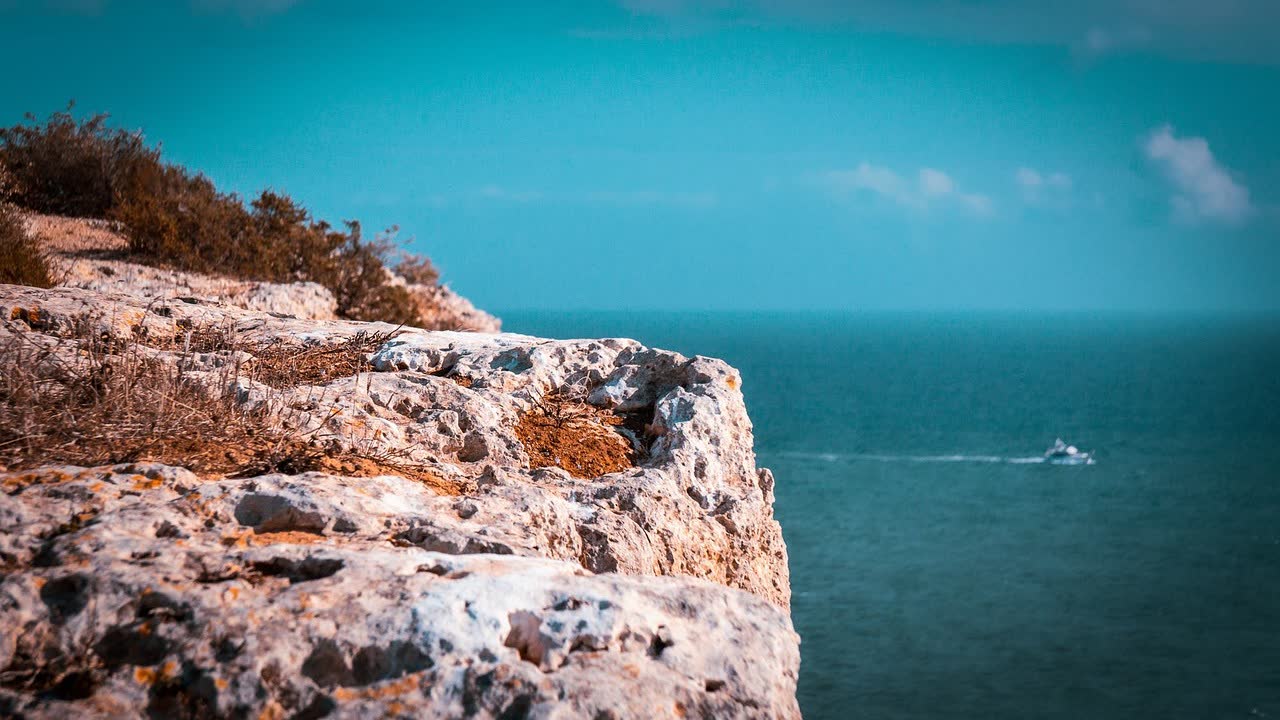
Why the two halves feel so different
Roughly speaking, Faro is the dividing line. West of it, the coast is made of soft golden rock that the sea has carved into arches, caves and small coves. East of Faro, the coast is low and sandy, protected by a chain of barrier islands. That shapes everything: the type of beach, the sea, the crowds and even what you eat. Faro airport sits in the middle, so neither half is far away. Driving from Lagos to Tavira takes about an hour and a quarter on the A22 motorway, which has been toll-free since January 2025.
The far west is different again. Past Lagos, the south coast meets the Atlantic at Sagres and Cape St Vincent, and the land turns wild and windy. North of there, the Costa Vicentina is a protected coast of empty beaches, surf and walking trails, with very little building.
The western Algarve
- Scenery: golden cliffs, sea stacks and grottos, plus the wild Atlantic coast at Sagres and the Costa Vicentina.
- Activities: Benagil boat trips, kayaking, surfing and clifftop hikes. See the Seven Hanging Valleys trail.
- Bases: Lagos, Sagres, Carvoeiro, Ferragudo.
- Sea: cooler and sometimes rougher, especially on the west-facing coast.
- Beaches: often small coves reached by steps, which fill up fast in summer. Arrive early.
- Must-sees: Ponta da Piedade, Benagil cave by boat or kayak, and Cape St Vincent at sunset.
- Benagil rules: since August 2024 you can’t swim to the cave or land on its beach, and kayaks are only allowed with a licensed guide. Boat trips view it from the water.
Who the west suits
The west is for people who want to be out and about: walking clifftop paths, getting on the water and driving to a different beach each day. Lagos is the main town, with a walled old centre, a marina and plenty of places to eat. Sagres is smaller and more of a surf village. The trade-off is that the famous coves get very busy in July and August, and the car parks above them fill by mid-morning.
The central Algarve
- Resorts: big hotels, all-inclusives, golf and nightlife.
- Bases: Albufeira and Vilamoura.
- Beaches: a mix of cliff-backed coves and long stretches such as Praia da Falésia, with its red and orange cliffs.
- Good for: short breaks close to the airport, families who want a big hotel pool, and golfers.
The eastern Algarve
- Scenery: the Ria Formosa lagoon, salt pans, flamingos and sandy barrier islands.
- Beaches: long and wide, often reached by ferry, with calmer, warmer water.
- Towns: Tavira, Olhão and Faro.
- Islands: ferries run from Olhão to Armona and Culatra, from Faro to Ilha Deserta and from Tavira to Ilha de Tavira. Timetables are reduced outside summer, so check before you go. See the Ria Formosa.
- Day trips: Seville, the Guadiana valley and Mértola. See Mértola.
Who the east suits
The east is slower. Days revolve around a ferry to an island beach, a long lunch and a walk through a town where people actually live all year. Tavira has an old stone bridge, many churches and a river running through the middle. Olhão is a working fishing town with flat-roofed houses and a busy market. There are fewer big hotels and less nightlife, which is exactly why many people prefer it.
Food on each side
- West: grilled fish and seafood in the harbour towns, and the Monchique hills behind Portimão are known for smoked ham, honey and medronho brandy.
- East: clams, oysters and other shellfish from the Ria Formosa, octopus dishes and cataplana stews. Olhão’s waterfront market is a highlight on Saturday mornings.
Getting around
- Train: a regional line runs along the whole coast from Lagos to Vila Real de Santo António, through Faro and Tavira. The whole line has been electric since July 2026. It is still slow, but cheap. Albufeira station is a few kilometres outside the town.
- Bus: local buses link the main towns, but they are less frequent in winter and on Sundays.
- Car: the easiest way to reach west-coast beaches and inland villages.
Which is best for...
- Families with young kids: the east or central Algarve, for calm water.
- Couples who love scenery: the west.
- Nightlife: Albufeira or Lagos.
- Peace and authenticity: the east.
- Surfing: the far west.
- A first visit of a week: split your stay, with three or four nights in Lagos and three in Tavira.
When to go
June and September are the sweet spot on both sides: warm sea, long days and fewer crowds than July and August. Spring is good for walking in the west, when the clifftops are green and covered in wild flowers. In winter the east is often a little sunnier and calmer, and Tavira and Olhão stay lively because people live there all year, while some western resorts go quiet. See the best time to visit the Algarve.
FAQ
Is the east or west Algarve better for a first visit?
If you only have a few days and want the famous cliffs and caves, choose the west. With a week, split your stay so you see both the western coves and the eastern islands.
Is the sea warmer in the east Algarve?
Usually, yes. The eastern Algarve is more sheltered, so the water is often a couple of degrees warmer and calmer than in the west, especially compared with the open west coast beyond Sagres.
Can you see both halves without a car?
Yes, for the main towns. The coastal train links Lagos, Faro and Tavira, and ferries reach the eastern islands, but you’ll need a car or tours for the remote western beaches and inland villages.
Do you pay tolls on the A22 in the Algarve?
No. The A22 motorway has been toll-free since 1 January 2025, so you can drive from Lagos to the Spanish border without paying.
More: where to stay in the Algarve, the best Algarve beaches and Lagos vs Tavira.
See also: Culatra Island.
Prices and details change, so please double-check before you travel. Spotted something out of date? Tell us in the groups.
Still got questions?
Ask 305,000+ travellers and locals in our free Facebook groups.