
The Algarve in Winter: Weather, Things to Do and What's Closed
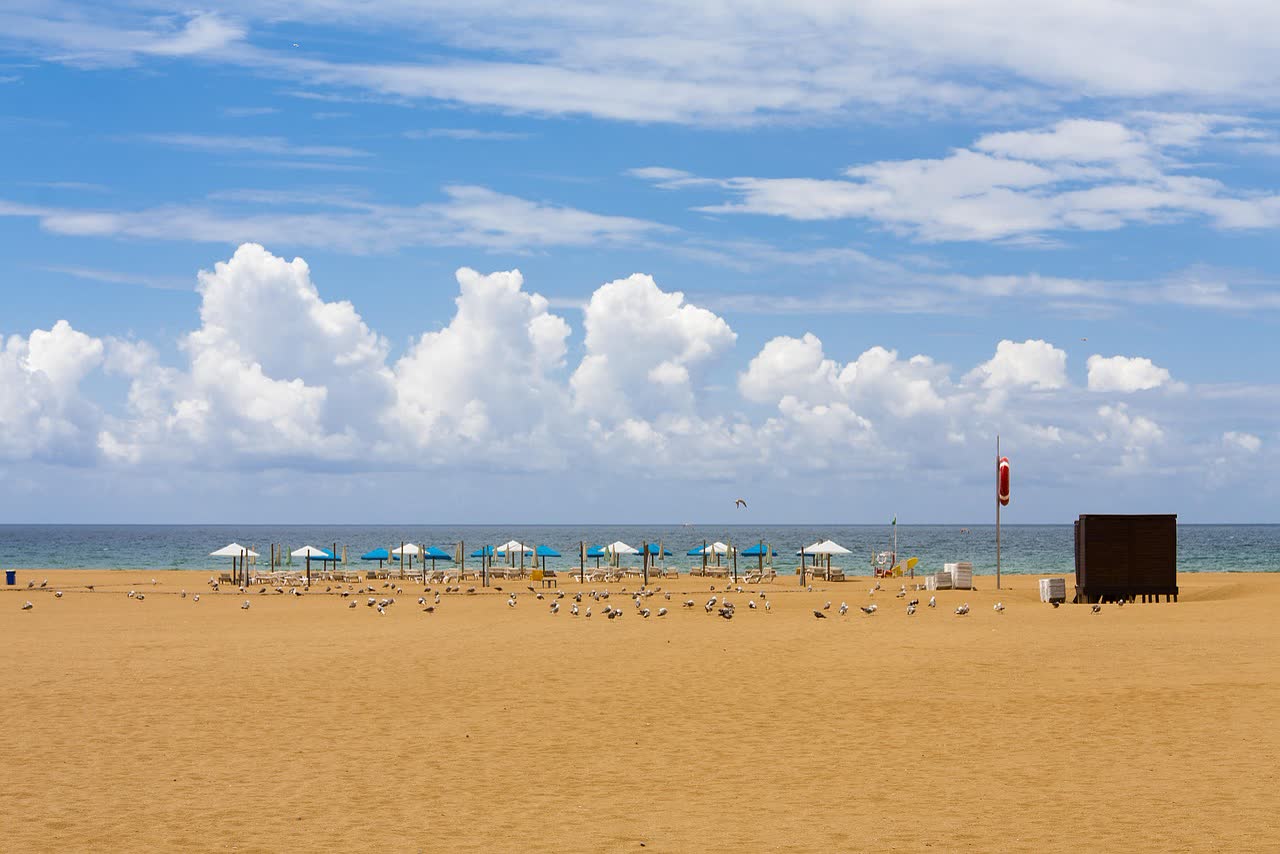
The Algarve in winter is one of Europe’s best-kept secrets: blue skies, empty golden beaches, almond blossom, half-price hotels and sunny lunches on terraces while the rest of Europe shivers. It’s not beach-holiday weather, but it’s perfect for walking, golf, exploring and slow living. Here’s what to expect.
Quick answer: from December to February, expect daytime highs of about 16–18°C, cool nights (8–12°C), the sea at around 15°C, and some rainy days (December is usually the wettest). It’s great for coastal walks, golf and town visits. Water parks and Zoomarine are closed, and some beach restaurants shut, but most towns stay lively. Bring layers: houses aren’t built for the cold!
The weather
- Days: often sunny and 16–18°C, warm enough for lunch outside in the sun.
- Nights: 8–12°C, and chilly indoors. Many Portuguese homes have no central heating.
- Sea: about 14–16°C, coldest in February. Brave swimmers only (or a wetsuit).
- Rain: comes in bursts, usually followed by clear days. December is usually the wettest month, followed by November.
- The east is drier and sunnier than the west coast.
- Daylight: about 9.5 to 10 hours around Christmas, with sunset at roughly 5:20pm. By late February you gain more than an hour.
- Wind: Sagres and the west coast can be very windy, so a sunny forecast there can still feel cold.
See the best time to visit Portugal.
Month by month
- December: short days, Christmas lights and markets, and busy restaurants over the holidays. Usually the wettest month, but still a good one for a cheap city-and-beach break.
- January: the quietest month, and usually the cheapest. Almond blossom starts late in the month.
- February: often dry and bright, with almond blossom in the hills and Carnival. Mimosa trees flower yellow along the roads.
Best things to do in winter
- Coastal walks: the Seven Hanging Valleys trail and the Ponta da Piedade cliffs are perfect in the cooler weather. See the best Algarve photo spots.
- Golf: winter is high season for golf, with mild weather and green courses. See golf experiences.
- Almond blossom: from mid-January into February, the inland hills turn white and pink. Castro Marim’s almond blossom festival, held in the hill village of Alta Mora with guided walks, is usually in February.
- Towns and villages: Tavira, Silves, Loulé market, Faro old town and Monchique. See the best day trips from the Algarve.
- Boat trips: Benagil and dolphin trips run when the sea allows, but cancellations are more common, so keep a flexible day. See the best boat trips.
- Seville: a great winter day trip, cooler and less crowded than in summer.
- Long-distance trails: winter and spring are the best seasons for the Via Algarviana, a walking route of about 300km across the inland hills, and the clifftop Fishermen’s Trail of the Rota Vicentina on the west coast. Walk a single stage as a day hike.
- Birdwatching: the Ria Formosa lagoon and the Castro Marim marshes fill with wading birds in winter, and you will often see flamingos. See the Ria Formosa.
- Cycling: quiet roads and cool temperatures make winter a good time to ride, and bike hire is easy in the main towns.
Festivals and events
- Festival da Batata-Doce (Aljezur, late November): a free festival of the local sweet potato.
- Christmas markets and lights in Faro, Lagos and Monchique from late November or early December. See Christmas in Portugal.
- New Year’s Eve: fireworks and parties on the beaches of Albufeira, Lagos and Portimão.
- Loulé Carnival: the Algarve’s biggest carnival parade, held over Carnival weekend in February (around 7–9 February in 2027).
Book New Year’s Eve stays in Albufeira early: it is the one winter week when hotels there fill up.
What’s closed
- Water parks and Zoomarine close for the winter (Zoomarine reopened on 12 March in 2026).
- Some beach restaurants and bars close or open only at weekends.
- Island ferries run a reduced timetable.
- Lifeguards are off duty, so take extra care in the sea.
- Some hotels in the big resorts close from November to February, especially in Albufeira and Vilamoura. Check before you book a package.
Getting around in winter
Car hire is much cheaper than in summer, and the A22 motorway has been toll-free since January 2025. Without a car, the Algarve railway line runs electric trains between Lagos and Vila Real de Santo António, with fewer changes in Faro since July 2026. Many (not all) trains now run straight through, and west of Faro there is usually a train about every two hours. Local buses run less often out of season, so check timetables before relying on them for day trips. See getting around the Algarve.
Where to stay
- Towns that stay lively all year: Lagos, Tavira, Faro and Albufeira old town.
- Hotels: heated pools and spas make a big difference. Check before booking.
- Long stays: winter is popular with “snowbirds” from northern Europe, with good monthly rental deals. Check heating, insulation and whether there’s a dehumidifier.
See where to stay in the Algarve or browse Algarve stays.
What to pack
- Layers, a warm jumper and a light waterproof jacket.
- Slippers and warm pyjamas, as homes and rentals can be cold at night.
- Sunglasses and sun cream: the winter sun is still strong.
- Walking shoes for the cliff paths.
What to do on a rainy day
Explore Silves castle and its old town, browse Loulé’s market, visit Faro’s old town and the bone chapel at the Carmo church, try a wine tasting, take the kids to a science centre, or book a spa afternoon. Then enjoy a long seafood lunch.
Indoor and rain-friendly ideas
- Silves: the red sandstone castle and the cathedral. See Silves.
- Faro: the walled old town, the cathedral and the Capela dos Ossos at Carmo church. See Faro.
- Loulé: the covered market and craft workshops. See Loulé.
- Wine tasting: Algarve wineries offer tours and tastings. See wine tastings.
- Science centres: hands-on exhibits for kids in some towns.
- Spa time: many resorts have spas open to non-guests. See the best spa hotels.
- Cooking: a cataplana lunch is perfect on a grey day. See cataplana.
- Shopping: markets and shopping centres. See Algarve markets.
When the rain stops
Showers often pass quickly. Head to the clifftops for dramatic skies and empty beaches. See Algarve hikes.
Stay back from the cliff edges after heavy rain, though. Wet ground makes rockfalls more likely, and several Algarve beach paths, including the stairs at Praia do Camilo in Lagos, have been closed after the storms of winter 2025–26.
Tips
- Pack a light rain jacket in winter.
- Check opening days for museums out of season.
- Eat a big lunch: many restaurants are quiet in the evening in winter, and some close early midweek.
- Check the swell before a west coast walk or beach visit. Winter waves can be huge and dangerous.
FAQ
Can you swim in the Algarve in winter?
Only if you like cold water. The sea is about 14 to 16°C from December to February and lifeguards are off duty, so most people just paddle. A hotel with a heated pool is the warmer option.
What is the wettest month in the Algarve?
December is usually the wettest, followed by November. Rain tends to come in bursts of a day or two, with plenty of bright, dry days in between.
Is the Algarve worth visiting in winter?
Yes, if you want sunshine, walking, golf and low prices rather than beach days. Days are often sunny at around 16 to 18°C, and hotels and hire cars cost far less than in summer.
Which part of the Algarve is best in winter?
The east, around Faro and Tavira, is usually drier and less windy than Sagres and the west coast. Lagos, Tavira and Faro stay lively all year, while some big resort hotels close.
More: Portugal in winter, including Lisbon, Porto, Madeira and the Azores.
See also: the best time to visit the Algarve and the Algarve on a budget.
Some links in this guide are affiliate or referral links (GetYourGuide, Booking.com, Discover Cars, Welcome Pickups, Airalo, Yesim, Saily, Tiqets, Radical Storage, EKTA, AirHelp, Uber). If you book or sign up through them we may earn a small commission or ride credit at no extra cost to you. It helps keep our groups and this site free.
Still got questions?
Ask 305,000+ travellers and locals in our free Facebook groups.