
The Best Kid-Friendly Beaches in the Algarve
The Algarve is one of Europe’s best family beach destinations, but its beaches vary a lot: some have big Atlantic waves, others calm, shallow water perfect for little ones. Here are the most kid-friendly beaches in the Algarve, and what to look for.
Quick answer: for the calmest, warmest water, head to the eastern Algarve: Ilha de Tavira, Praia do Barril and the Ria Formosa island beaches. In the centre and west, Meia Praia (Lagos), Alvor, Praia da Luz, Santa Eulália and Armação de Pêra are wide, sandy and easy. Avoid the wild west-coast beaches with small children.
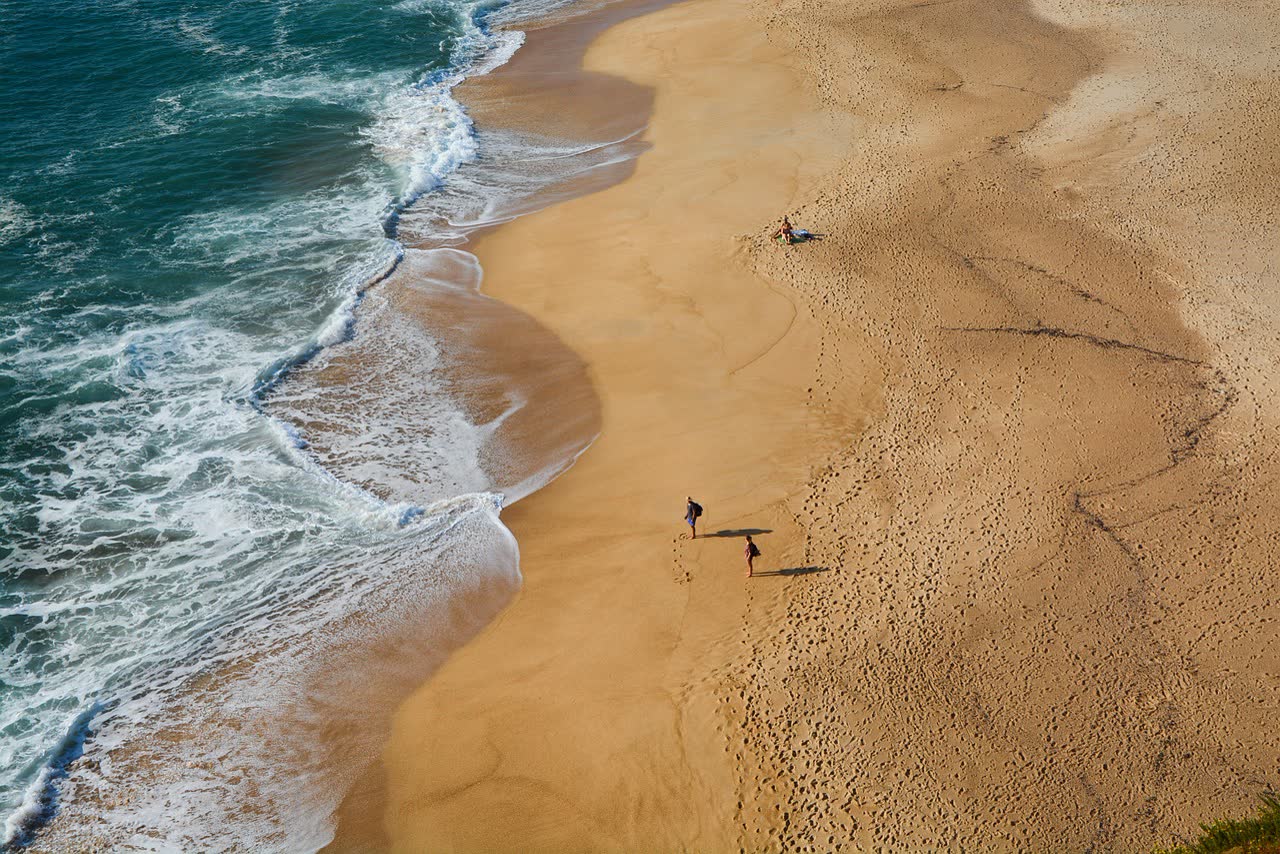
Why the Algarve works for families
The south coast faces away from the big Atlantic swells that hit the west coast. In summer the sea is usually gentler, the sand is soft and most main beaches have lifeguards, toilets and a café. The east, from Faro to the Spanish border, is the calmest of all, with shallow water and long flat beaches protected by the Ria Formosa lagoon. The west coast, from Sagres north to Aljezur, is beautiful but rough, with strong currents. Save it for older children who swim well, or for a walk on the sand. See east vs west Algarve.
Standards are high, too. In 2026 more than 80 Algarve beaches flew the Blue Flag, which is awarded for clean water, safety and good facilities.
The best family beaches
Eastern Algarve
- Ilha de Tavira: a long island beach reached by ferry, with gentle water. In summer, boats leave from the town centre. The rest of the year they run from the Quatro Águas pier, about 2km out of town, and the crossing takes under 10 minutes. Kids usually love the boat ride as much as the beach. See Tavira.
- Praia do Barril: reached by footbridge from Pedras d’El Rei, then about 1km across the lagoon on foot or by a little seasonal tourist train (it usually runs from mid-June to mid-September). The famous anchor cemetery sits in the dunes, a fun stop for children: the anchors once held the nets of the tuna fishery that worked here until the 1960s.
- Ria Formosa islands: calm lagoon sides and car-free beaches, such as Armona and Culatra, reached by ferry from Olhão. Bring everything you need, as facilities are simple. See Olhão.
- Monte Gordo: a long, flat beach right in front of the town, near the Spanish border. Its water is often said to be the warmest in mainland Portugal, and it shelves gently, so small children can paddle safely at low tide. See Monte Gordo.
- Manta Rota and Cacela: the same strand runs west past Manta Rota, quieter and backed by dunes. Below Cacela Velha you can wade to a sandbar at low tide, but the tide returns quickly. See Cacela Velha.
Central and western Algarve
- Meia Praia (Lagos): about 4km of sand with lots of space, so it rarely feels crowded. The water shelves gently near the town end. See Lagos beaches.
- Alvor: wide sands and boardwalks over the dunes and the estuary, good for buggies and short legs. See Alvor.
- Praia da Luz: a sheltered bay with rock pools at the western end, and cafés right on the promenade. See Praia da Luz.
- Santa Eulália (Albufeira): good facilities and usually calm water, a little away from the busy town centre. See Albufeira beaches.
- Armação de Pêra: a long town beach with an easy, flat promenade, so you can walk straight from your apartment to the sand. See Armação de Pêra.
Getting there without a car
- By train: the whole Algarve line has been electric since July 2026. Tavira station is a short walk from the town-centre ferry, Olhão station is close to the island ferries, and Lagos station is near the western end of Meia Praia.
- By boat: the island ferries from Tavira and Olhão run all year, with fewer boats in winter.
- By bus: regional buses link most beach towns. See getting around the Algarve.
What to look for
- Lifeguards: choose beaches with lifeguards in season and respect the flags. Green means swimming is allowed, yellow means paddle only, red means stay out. A chequered flag means the lifeguard post is temporarily unmanned.
- Facilities: toilets, showers, cafés and sunbed rental.
- Access: beaches without long staircases are easier with buggies. Many famous coves, such as those in Lagos and around Carvoeiro, are reached by steep steps.
- Accessible beaches: look for the “Praia Acessível” sign. These beaches have ramps or walkways down to the sand and adapted toilets, which also helps with buggies.
- Shade: rent a parasol, as there’s little natural shade.
- Cliffs: don’t sit directly beneath them. Rockfalls do happen.
- Tides: small coves can almost disappear at high tide. Check the tide times on the day.
When to go
July and August bring the warmest weather and the busiest beaches. June and September are often the sweet spot for families with young children: still warm, with fewer people and easier parking. The sea stays fresh all year, often around 20 to 22°C at its warmest in late summer, and usually a little warmer in the east. Lifeguard cover is generally in place through the summer season, so check before you go in spring or autumn. See the best time to visit the Algarve.
Practical tips
- Midday sun: plan beach time for the morning and late afternoon, and have a long lunch in the shade.
- Kit: high-factor sun cream, UV swim tops, hats and water shoes for rocky ends.
- Arrive early: car parks at popular beaches can fill by mid-morning in August.
- Food: beach cafés usually serve simple dishes kids eat happily, such as grilled chicken, chips, toasties and ice cream.
- Rainy day or beach break: a water park makes a good change of scene.
FAQ
Which Algarve beach is best for toddlers?
The eastern beaches are the gentlest: Ilha de Tavira, Praia do Barril, Monte Gordo and the lagoon sides of the Ria Formosa islands.
When are Algarve beaches lifeguarded?
Most are guarded from about June to the end of September. Some start in May or stay guarded into October, so check the local council’s dates if you travel outside summer.
Is the sea warm enough for children?
It is fresh rather than warm, usually around 20 to 22°C in late summer and cooler in June. The east is generally a little warmer than the west.
Are there Algarve beaches without steps?
Yes. Meia Praia, Alvor, Armação de Pêra and Monte Gordo all have flat access from the town or car park.
More: the Algarve with kids, Algarve family resorts and Algarve water parks.
See also: Praia da Rocha.
Prices and details change, so please double-check before you travel. Spotted something out of date? Tell us in the groups.
Still got questions?
Ask 305,000+ travellers and locals in our free Facebook groups.