
Trip guides / Food and drink
The Best Food Tours and Cooking Classes in Portugal
Portugal is one of Europe’s great food destinations, and a food tour is one of the best ways to find the dishes, tascas and pastry shops that you’d never find alone. Here are the best food tours and cooking classes in Lisbon, Porto, the Algarve and Madeira.
Quick answer: book a food tour in Lisbon (petiscos, ginjinha, pastel de nata and tinned fish) and one in Porto (francesinha, bifana and port). Do them early in your trip so you know what to order for the rest of it. A cooking class is great on a rainy day.
.jpg)
Why take a food tour
Portuguese food is simple, regional and often served in small family places with no English menu. A good guide takes you to those places, explains what you’re eating and tells you the story behind it. You also pick up the words you need to order later. Most walking food tours last about three to four hours, cover five to eight stops and include enough food to replace lunch or dinner. Drinks such as wine, port or ginjinha are usually included, but check before you book.
What a typical tour looks like
You meet the guide in a central square, then walk between stops that are rarely more than ten minutes apart. A stop might be a standing snack at a counter, a seated plate of petiscos in a tasca, a tasting at a grocer or a glass of wine in a small bar. Between stops, the guide points out sights and explains the neighbourhood, so a food tour also works as a gentle introduction to the city.
Lisbon
Most Lisbon food tours walk through Alfama, Mouraria or the Baixa and Chiado, with stops for cured ham, cheese, tinned fish, ginjinha, wine and custard tarts. See Lisbon food tours. Prefer to cook? See Lisbon cooking classes, including pastel de nata workshops. More: Lisbon food markets.
- What you’ll try: a bifana or prego sandwich, petiscos such as pastel de bacalhau, a glass of ginjinha near Rossio and a warm custard tart.
- Neighbourhoods: Alfama and Mouraria for old tascas, and the Baixa and Chiado for historic cafés and grocers.
- Markets: some tours stop at Mercado da Ribeira, home of the Time Out Market.
- Classes: nata workshops usually take a couple of hours and you eat what you bake. See the pastel de nata cooking class guide.
Porto
Porto’s tours focus on hearty northern food: bifanas, francesinhas, cheese, sardines and a port tasting. See Porto food tours or this food and wine tour. You can also take a cooking class. More: what to eat in Porto.
- What you’ll try: a francesinha (a meat-filled sandwich covered in melted cheese and a beer and tomato sauce), roast pork sandwiches, Serra da Estrela cheese and port.
- Routes: most tours cover the Baixa, the Bolhão market area and the Ribeira, and some cross to Vila Nova de Gaia for the port lodges.
- Pair it with: a port cellar visit in Gaia, where most lodges run tours and tastings.
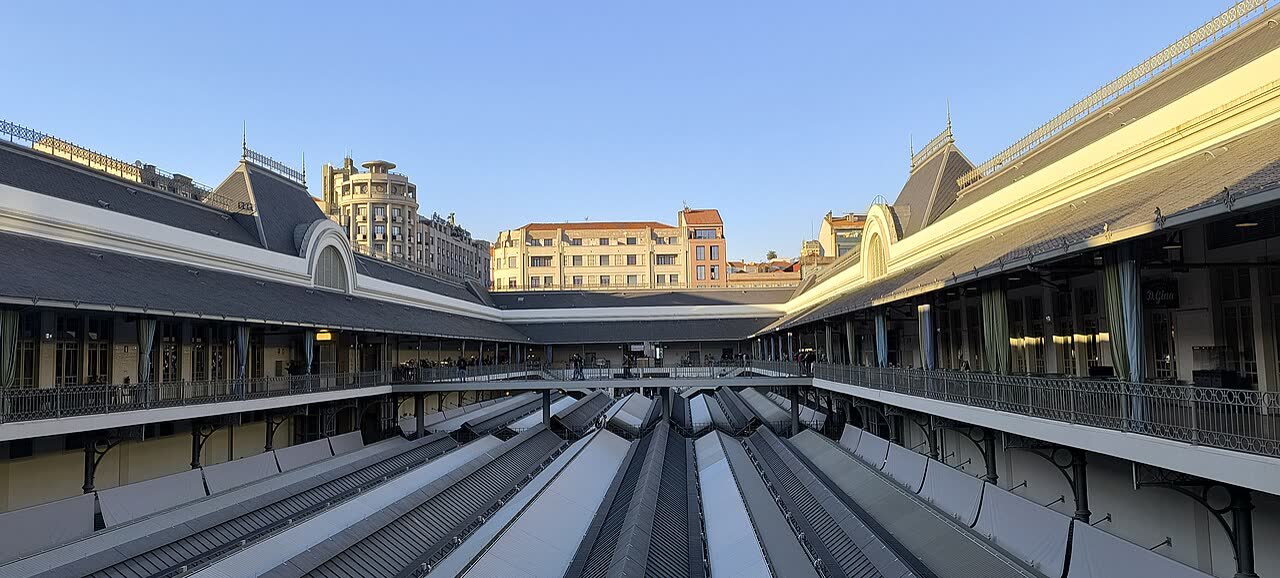
The Bolhão market reopened in 2022 after a long restoration, and it’s worth a wander on your own for fresh produce, flowers and small food stalls. See Porto food markets.
The Algarve
Seafood, cataplana, regional sweets and local wine. See the Lagos food tour. More: the best Algarve beach restaurants.
Algarve food leans on the sea: grilled fish, clams, octopus and cataplana, a seafood stew cooked in a copper pan. Sweets are made with almonds, figs and carob. Look out for medronho, a strong spirit made from the strawberry tree fruit in the Monchique hills. See cataplana.
The Algarve’s town markets are a good do-it-yourself food tour. Olhão’s riverside market halls are among the best for fish and local produce, especially on Saturday mornings. See Algarve markets.
Madeira
Espetada, bolo do caco, poncha and the Mercado dos Lavradores. See Funchal food tours.
Tours in Funchal usually start at the market, where you can taste tropical fruit, then move through the Old Town for poncha (a rum, honey and lemon drink), garlic-buttered bolo do caco bread and a glass of Madeira wine.
At the market, fruit sellers often hand out samples and then quote high prices per kilo. Ask the price before you accept a tasting.
Beyond the big cities
You don’t need a formal tour everywhere. In the Alentejo, a long lunch in Évora with bread soup, black pork and local wine teaches you as much as any guide. In the Douro Valley, many wine estates serve lunch with their tastings. See Alentejo food and wine tours.
What you’ll taste
- Pastel de nata: see the best in Lisbon.
- Bacalhau: see the bacalhau guide.
- Tinned fish: see Portuguese tinned fish.
- Cheese: see Portuguese cheese.
- Ginjinha: see the ginjinha guide.
How to choose a tour
- Group size: look for a maximum of around ten to twelve people.
- Reviews: recent reviews tell you more than the description. Look for comments about the guide and the amount of food.
- What’s included: check whether drinks, market visits and public transport are part of the price.
- Timing: afternoon and evening tours are popular in summer. Morning tours often include a market visit.
- Market days: many markets close on Sundays, so a market-based morning tour may run a different route that day.
Tips
- Come hungry: most tours replace a full meal.
- Dietary needs: tell the operator when booking. See Portugal for vegetarians.
- Small groups fit better into tiny tascas.
- Wear comfortable shoes: Lisbon and Porto tours involve hills and cobbles.
- Book ahead in summer, as small-group tours fill up.
- Tipping: it isn’t required on paid tours, but a small tip for a good guide is appreciated.
FAQ
Are food tours in Portugal worth it?
Yes, especially early in your trip. You eat a full meal’s worth of local food, learn what to order and find places you’d walk straight past on your own.
How long is a food tour in Lisbon or Porto?
Most walking food tours last about three to four hours, with five to eight tasting stops.
Are drinks included on Portuguese food tours?
Usually, with wine, port or ginjinha at one or more stops. Check the tour description, as some include only soft drinks or water.
Can vegetarians take a food tour in Portugal?
Many operators can adapt the stops if you tell them when you book. Fully vegetarian tours are less common, so ask before you pay.
More: what to eat in Portugal, wine tours in Portugal and a 10-day food itinerary.
Some links in this guide are affiliate or referral links (GetYourGuide, Booking.com, Discover Cars, Welcome Pickups, Airalo, Yesim, Saily, Tiqets, Radical Storage, EKTA, AirHelp, Uber). If you book or sign up through them we may earn a small commission or ride credit at no extra cost to you. It helps keep our groups and this site free.
Still got questions?
Ask 305,000+ travellers and locals in our free Facebook groups.