
Pastel de Nata Cooking Classes in Lisbon
Want to learn to make Portugal’s most famous pastry? A pastel de nata class in Lisbon teaches you the secrets of the crisp, flaky pastry and silky custard, and you get to eat the results warm from the oven. Here’s what to expect.
Quick answer: classes usually take about 2 hours in small groups. You learn to make the laminated pastry, line the tins, make the custard and bake. Sprinkle with cinnamon and sugar, then eat them warm, often with a glass of port or coffee. Most classes share the recipe to take home. See pastel de nata classes in Lisbon.
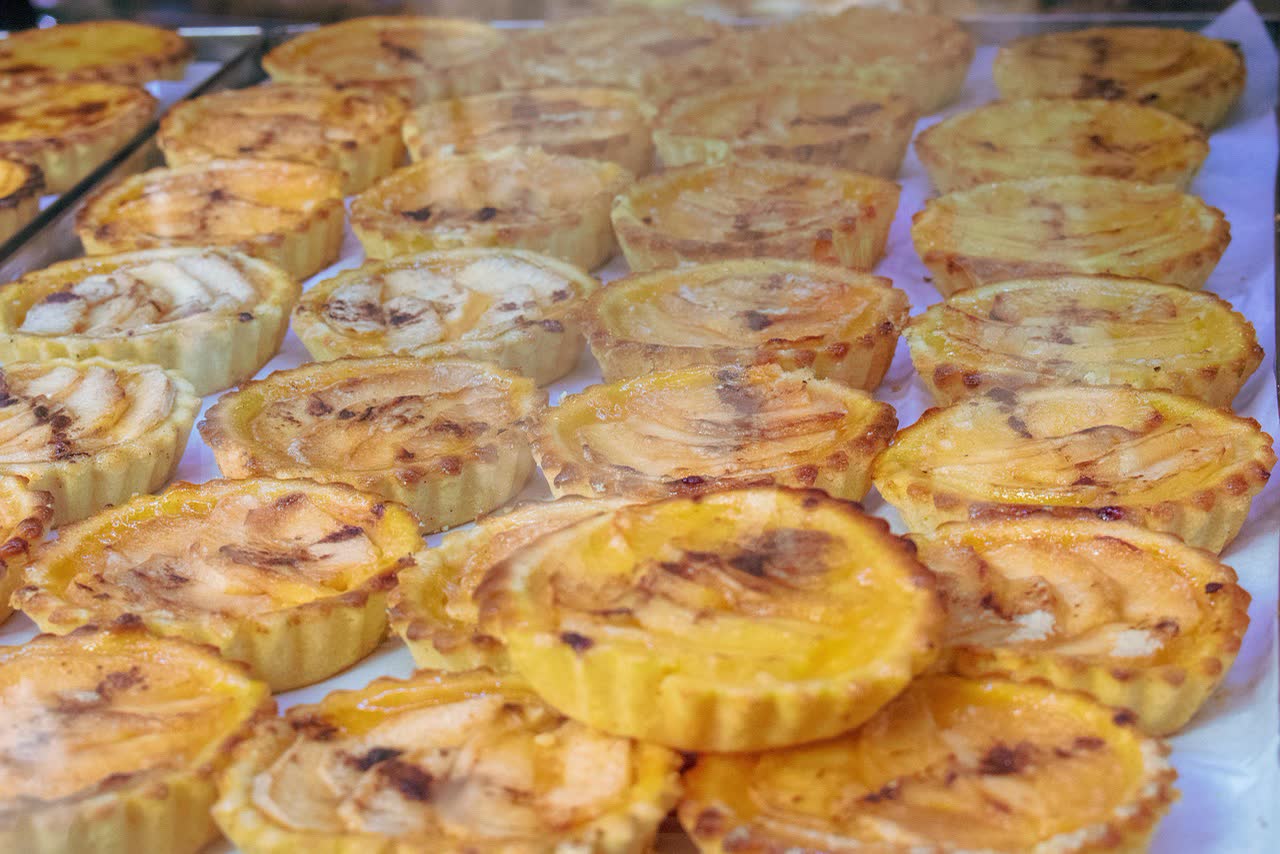
Why take a class
You can buy a pastel de nata on almost every corner in Lisbon for a euro or two, so why make your own? Because the tart is harder than it looks. The pastry needs to shatter, the custard needs to set without going rubbery, and the top needs those dark, almost burnt spots. A class shows you how each part works, and it’s a fun, hands-on way to spend a couple of hours, especially if it’s raining.
It also suits a wide range of people. Couples, families with older children, solo travellers and groups of friends all book them, and you don’t need any baking experience.
What a class involves
Most classes follow the same basic plan. A local baker or chef runs the session in a teaching kitchen, and you work at your own station or in pairs.
- The pastry: you learn how the dough is layered with butter and rolled into a tight log. You then slice it and press each piece into a small metal tin with your thumbs, so the layers form a spiral. Because proper laminated dough takes hours, some classes make it with you from scratch while others give you dough that was started earlier. Check the description if this matters to you.
- The custard: egg yolks, a sugar syrup, milk thickened with a little flour, and lemon peel and cinnamon for flavour.
- Baking: the tarts go into a very hot oven for a short time. This is what puffs the pastry and caramelises the top.
- The history: the recipe is said to come from the monks of the Jerónimos Monastery in Belém. When religious orders were shut down in 1834, the recipe passed to a nearby bakery, which still sells its famous version today.
- Tasting: you dust the tarts with cinnamon and icing sugar and eat them warm, often with coffee or a small glass of port.
A bit more history
The bakery next to the monastery, now known as Pastéis de Belém, began selling the tarts in 1837. It still calls its version “pastel de Belém” and keeps its recipe secret. Everywhere else, the same style of tart is called a pastel de nata. Monasteries and convents across Portugal used huge amounts of egg whites to starch clothes and clarify wine, which is one popular explanation for why so many Portuguese sweets are built on egg yolks. See the Jerónimos Monastery.
How long it takes
Most classes last about 2 hours, with some running closer to 3 hours if you make the dough from scratch or the class includes a longer tasting. Groups are usually small, often under a dozen people, so you get help from the teacher.
A typical session runs roughly like this: a short welcome and some history, then rolling and shaping the pastry, making the custard while the tins chill, and baking. The tarts only need a few minutes in the oven, so the last part of the class is usually tasting and chatting while they cool.
What makes a good pastel de nata
- Pastry: thin, crisp and in clear layers, so it crackles when you bite it. A soft or bready base is a sign it was baked too cool.
- Custard: just set and creamy, not firm or eggy, with a gentle hint of lemon and cinnamon.
- Top: dark, blistered spots from the very hot oven. Pale tops usually mean a cooler oven.
- Temperature: best eaten warm, the same day, ideally within a few hours of baking.
What you take home
- The recipe: most classes give you a printed or emailed recipe so you can try again at home.
- Extra tarts: many let you box up the ones you can’t finish. They are best eaten the same day.
- The know-how: the tricks with the dough and oven temperature are what make the difference. Note that home ovens rarely get as hot as a bakery oven, so ask your teacher how to adapt.
Booking tips
- Book a few days ahead: small groups fill quickly, especially in summer and at weekends.
- Go early in your trip: you’ll then know what to look for when you try tarts around the city.
- Dietary needs: the tarts contain wheat, eggs, dairy and sugar. Ask the organiser before booking if you have an allergy.
- Kids: children usually enjoy it, but check the minimum age and whether they need an adult ticket.
- Location: classes run in different parts of Lisbon. Check the meeting point and plan your transport. See Lisbon public transport.
- Cancellation: read the cancellation policy, as plans can change.
- What’s included: check whether drinks, an apron and a take-home box are part of the price.
Other cooking classes
Lisbon and Porto also have classes in Portuguese home cooking and seafood. See Lisbon cooking classes and Porto cooking classes.
Taste the best
Compare yours with Lisbon’s best bakeries. See the best pastel de nata in Lisbon. If you want to see where the recipe began, pair a morning class with an afternoon in Belém.
FAQ
How long is a pastel de nata class in Lisbon?
Most last about 2 hours. Classes where you make the laminated dough from scratch, or that include a longer tasting, can run closer to 3 hours.
Do you need baking experience?
No. Classes are designed for beginners, and the teacher guides you through each step, from shaping the pastry to baking.
What is the difference between pastel de nata and pastel de Belém?
They’re the same style of custard tart. “Pastel de Belém” is the name used only by the original bakery in Belém, which has made them since 1837 to a secret recipe.
Can you make pastel de nata at home?
Yes, using the recipe from your class. The hardest part is the heat: bakeries use much hotter ovens than most homes, so bake at your oven’s top setting and keep an eye on them.
More: Portuguese desserts, food tours and Lisbon on a rainy day.
Some links in this guide are affiliate or referral links (GetYourGuide, Booking.com, Discover Cars, Welcome Pickups, Airalo, Yesim, Saily, Tiqets, Radical Storage, EKTA, AirHelp, Uber). If you book or sign up through them we may earn a small commission or ride credit at no extra cost to you. It helps keep our groups and this site free.
Still got questions?
Ask 305,000+ travellers and locals in our free Facebook groups.