
Trip guides / Planning
Portugal for Vegetarians and Vegans
Portuguese cooking is famous for fish, pork and salt cod, so vegetarians sometimes worry about eating out. The good news: Lisbon and Porto now have lots of vegetarian and vegan restaurants, and even traditional menus have more options than you’d think. Here’s how to eat well in Portugal as a vegetarian or vegan.
Quick answer: learn “sou vegetariano/a” (I’m vegetarian) and “sem carne nem peixe” (no meat or fish). In the cities, you’ll find plenty of veggie and vegan restaurants and cafés. In traditional places, look for soups (check for meat stock), salads, egg dishes, migas and vegetable sides, and of course the pastries. Watch out: caldo verde usually contains chouriço.
.jpg)
What to expect
In a traditional tasca, the menu is usually split into meat (carne) and fish (peixe), and the dish of the day (prato do dia) is rarely vegetarian. That doesn’t mean you’ll go hungry. Portugal grows superb vegetables, bread, olives and fruit, and the cheeses are excellent. Attitudes have changed too: since 2017, public canteens such as those in schools and hospitals must offer a vegetarian option every day, and a meat-free dish is now common on city menus.
Ordering in a traditional restaurant
Look at the side dishes as well as the mains. If you ask, many places will happily put together a plate of rice, chips or boiled potatoes, salad and a fried egg. Plenty of tascas also serve a meia dose (half portion), which is handy for trying a soup or a vegetable side.
Useful phrases
- Sou vegetariano / vegetariana: I’m vegetarian (male / female).
- Sou vegano / vegana: I’m vegan.
- Sem carne nem peixe: without meat or fish.
- Tem opções vegetarianas?: do you have vegetarian options?
- Isto tem carne?: does this have meat in it?
- Pode ser sem carne?: can it be made without meat?
- Sem ovos nem lacticínios: without eggs or dairy (useful for vegans).
- Leite de aveia / leite de soja: oat / soya milk, for your coffee.
More: Portuguese phrases.
Traditional dishes that are (or can be) vegetarian
- Sopa de legumes: vegetable soup (ask whether it’s made with meat stock).
- Salada mista: a simple mixed salad.
- Omelettes and egg dishes, often on the menu.
- Migas: bread-based dishes, sometimes made without meat.
- Açorda alentejana: a bread and garlic soup with coriander, olive oil and a poached egg. Ask, as some versions add fish. See Alentejo food.
- Gaspacho alentejano: a chilled summer soup of tomato, cucumber, pepper and bread. It’s often served with fried fish, so check what comes with it.
- Peixinhos da horta: green beans fried in batter, despite the name, which means “little fish from the garden”.
- Esparregado and grelos: a soft purée of greens with garlic and olive oil, and sautéed turnip tops, both common sides.
- Batatas, arroz and legumes: potatoes, rice and vegetable sides can make a meal.
- Cheese and bread: excellent cheeses everywhere. Serra da Estrela, Azeitão and Serpa are traditionally made with thistle rather than animal rennet, which suits many vegetarians. See Portuguese cheese.
- Snacks: olives and tremoços (salted lupin beans), served with a beer in most bars.
- Pastries and desserts: mostly vegetarian (not vegan, as many are egg-based). See Portuguese desserts.
Watch out for
- Caldo verde usually comes with a slice of chouriço. Ask for it without (sem chouriço), but the stock may still be meat-based. See caldo verde.
- Feijoada and many bean dishes contain meat.
- Soups may be made with meat stock.
- Peas and eggs (ervilhas com ovos) sounds safe but usually includes chouriço or bacon.
- The couvert may include tuna or sardine pâté. It arrives without being ordered, but you only pay for what you eat, so send back anything you don’t want.
- “Vegetariano” is sometimes understood as “no meat”, so fish can still appear. Say both: no meat and no fish.
Where it’s easiest
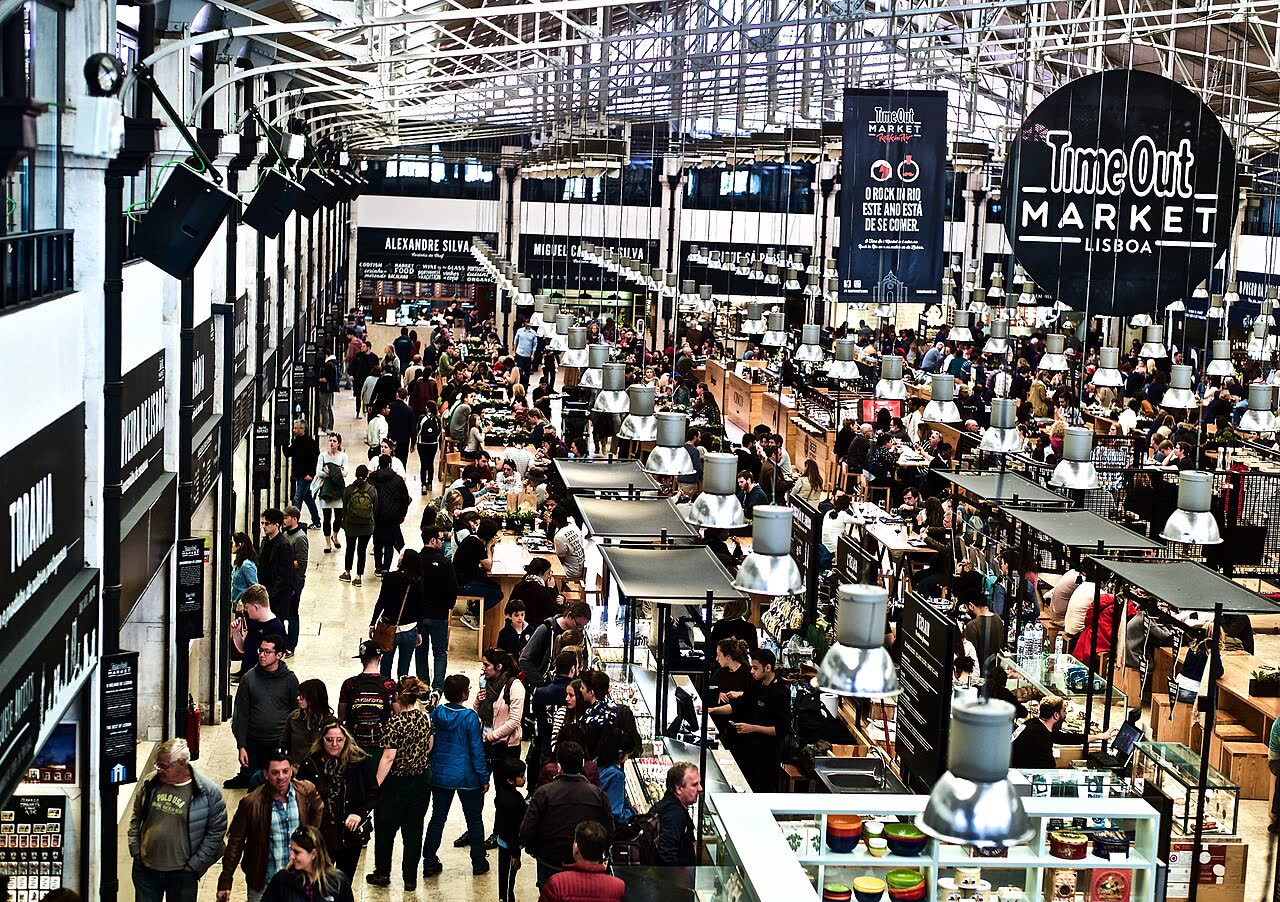
- Lisbon and Porto: many vegetarian and vegan restaurants, brunch cafés and international food. Food halls like the Time Out Market have veggie stalls. See Lisbon food markets.
- The Algarve: plenty of international and brunch spots in Lagos and the resorts.
- Madeira and the Azores: fresh fruit and vegetables, with veggie options in Funchal and Ponta Delgada. In Madeira, try bolo do caco, a flat bread served warm with garlic butter.
- Rural areas: fewer dedicated options, so self-catering or a good chat with the waiter helps.
- Supermarkets have plant-based products, fresh fruit and great bread. Larger branches of the big chains usually stock tofu, plant milks and vegan ready meals.
Eating on the road
Motorway service stations and small-town cafes usually have cheese or egg sandwiches (sandes de queijo, sandes de ovo) and soup, so you won’t be stuck. For a day of driving or hiking, pick up bread, cheese, fruit and nuts at a market or supermarket in the morning. Covered municipal markets in most towns sell seasonal produce at good prices.
For vegans
Vegan travel is easiest in Lisbon, Porto and the Algarve, where many cafes now offer plant milk and vegan cakes. Outside the cities, traditional sweets are mostly made with eggs and butter, while most everyday bread is just flour, water, yeast and salt (sweet breads are the exception). Markets are great for fruit, nuts, olives and bread for picnics.
Small village cafés may not have plant milk, so a black coffee (um café) is the safe order. Cheese and eggs turn up in many vegetable dishes, so repeat sem ovos nem lacticínios when you order. In the cities, Indian and Nepali kitchens usually have several dishes made without dairy, and staff can tell you which.
Tips
- Use apps like HappyCow to find vegetarian restaurants.
- Ask kindly: many restaurants will happily adapt a dish.
- Look at Indian, Nepali and Italian restaurants: common in Lisbon and the Algarve, and usually the easiest places for a varied meat-free meal.
- Food tours can often be booked with vegetarian options. See food tours.
FAQ
Is it easy to be vegetarian in Portugal?
In Lisbon, Porto and the Algarve it’s easy, with many vegetarian and vegan restaurants. In small towns, menus are mostly meat and fish, but soups, salads, eggs, cheese and side dishes mean you can usually eat well if you ask.
Is pastel de nata vegetarian?
Usually, yes: the custard is made with egg yolks, milk, sugar and flour. It isn’t vegan, though some bakeries in Lisbon and Porto now sell vegan versions.
Is caldo verde vegetarian?
Not usually. The soup is made with potato and kale, but it normally comes with a slice of chouriço and may use meat stock, so ask for it sem chouriço and check the stock.
Do I have to pay for the bread and olives?
Only if you eat them. The couvert is brought without being ordered, so if you don’t want it, send it back untouched and it shouldn’t appear on the bill.
More: what to eat in Portugal.
Some links in this guide are affiliate or referral links (GetYourGuide, Booking.com, Discover Cars, Welcome Pickups, Airalo, Yesim, Saily, Tiqets, Radical Storage, EKTA, AirHelp, Uber). If you book or sign up through them we may earn a small commission or ride credit at no extra cost to you. It helps keep our groups and this site free.
Still got questions?
Ask 305,000+ travellers and locals in our free Facebook groups.