
Trip guides / Food and drink
Alentejo Food: What to Eat in Portugal's South
The Alentejo, Portugal’s vast rural south, has some of the country’s most distinctive cooking: humble bread-based dishes, black pork fattened on acorns, rich stews, sheep’s cheeses, olive oil and wines aged in clay pots. Here’s what to eat when you visit.
Quick answer: try porco preto (acorn-fed black pork), carne de porco à alentejana (pork with clams), migas (fried bread with pork), açorda (bread soup with coriander and egg), ensopado de borrego (lamb stew), and local cheeses such as Serpa and Évora. Wash it down with Alentejo red wine.
Why the food is different
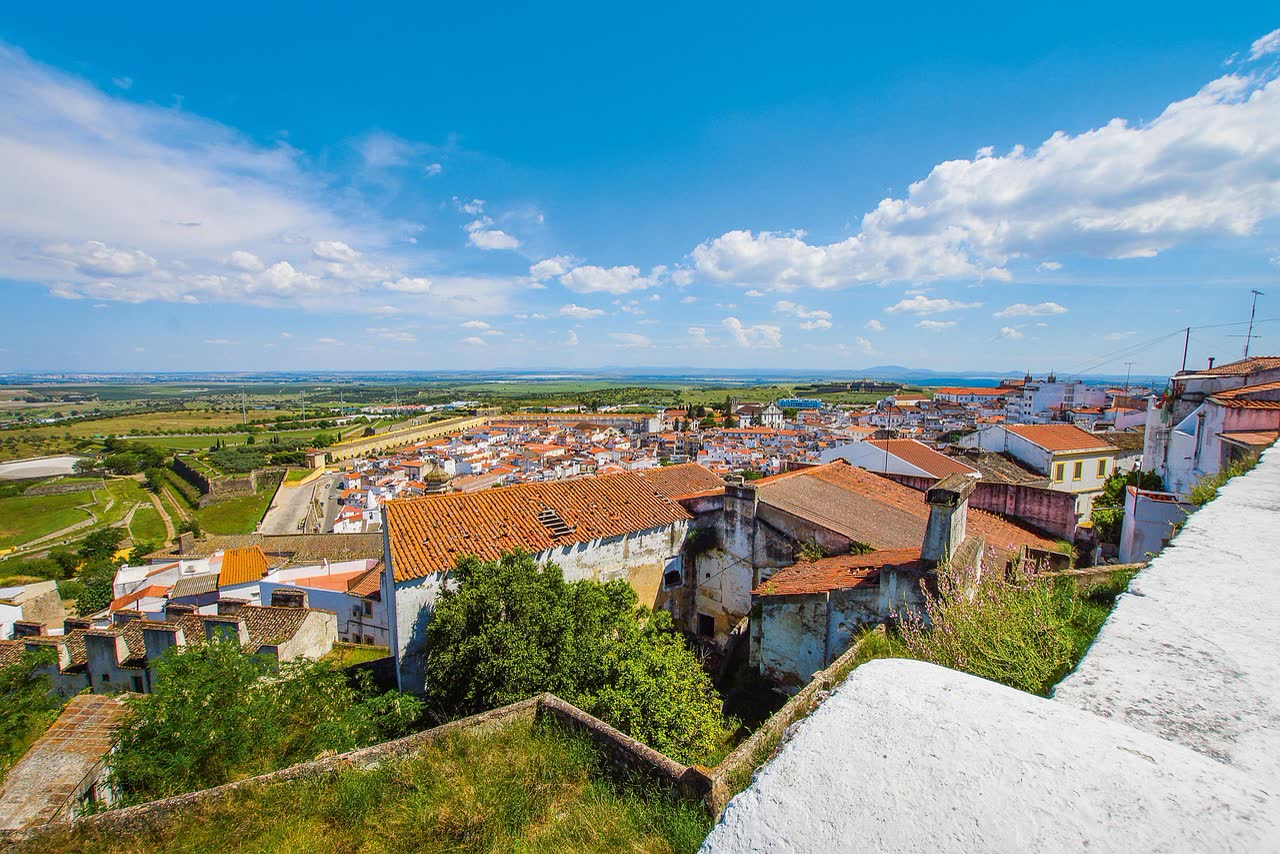
The Alentejo is hot, dry and thinly populated, and for centuries most people here were poor farm workers. The cooking grew out of what they had: wheat bread, olive oil, garlic, wild herbs such as coriander, pennyroyal (poejo) and oregano, pork and lamb. Nothing was wasted, so stale bread turns up in soups, stews and fried dishes. The result is simple, generous food with a lot of flavour. Coriander is everywhere, far more than in the rest of Portugal.
Dishes to try
Pork and meat
- Porco preto: the Alentejo’s black Iberian pig, which roams the cork and holm oak woodland (montado) and feeds on acorns in autumn and winter. The meat is marbled and rich. It is often grilled as plumas, secretos or presas (tender cuts) and served simply with chips or migas.
- Carne de porco à alentejana: marinated pork cubes, fried and mixed with clams and potatoes, finished with coriander. Despite the name, many food writers say the dish comes from the Algarve, made with Alentejo pork.
- Ensopado de borrego: lamb stewed slowly with garlic, bay and wine, then served over slices of bread that soak up the juices.
- Pezinhos de coentrada: pig’s trotters cooked slowly and finished with garlic and a big handful of coriander. A classic of village tascas.
- Cozido de grão: a hearty one-pot stew of chickpeas, pork, sausages and vegetables, often made with pumpkin and green beans.
- Enchidos: cured sausages such as chouriço and paia, and cured ham (presunto), often served as starters.
Bread dishes and soups
- Migas: fried bread mixed with garlic, olive oil and often pork or asparagus. Stale bread is soaked, then stirred in a pan with pork fat until it forms a golden roll.
- Açorda alentejana: a bread soup with garlic, coriander, olive oil and a poached egg. A paste of garlic, salt and coriander is made in a mortar, boiling water is poured over, and the bread goes in last.
- Gaspacho alentejano: a cold summer soup of tomato, cucumber, pepper, garlic, vinegar and bread, often served with fried fish or chouriço.
- Sopa de tomate: a thick summer soup of tomato and onion, served over bread, usually with a poached egg on top.
- Sopa de cação: dogfish soup with garlic, coriander and vinegar, poured over bread.
Sweets
- Sericaia: a cinnamon egg pudding often served with plums from Elvas. See Elvas.
- Convent sweets: rich egg yolk and sugar desserts such as encharcada and toucinho do céu, first made in the region’s convents.
- Pão de rala: an Évora convent sweet of almond and egg yolk, shaped like a small loaf. Look for it in the city’s pastry shops along with queijadas, small cheese tarts.
For more desserts from around the country, see Portuguese desserts.
Cheese, oil and wine
- Cheese: Serpa, Évora and Nisa sheep’s cheeses all have protected status. Serpa is made from raw sheep’s milk curdled with wild cardoon thistle, which gives it a soft, slightly bitter, almost spoonable centre. See Portuguese cheese.
- Olive oil: the Alentejo produces much of Portugal’s olive oil. Look for local oils in shops in Moura and Serpa.
- Bread: pão alentejano is a dense, crusty wheat loaf that keeps for days, which is why so many dishes use it.
- Wine: big, ripe reds and the ancient tradition of vinho de talha, fermented in clay amphorae. A Vinho de Talha DOC was created in 2010, and the wine must stay in the clay pots until St Martin’s Day (11 November), when villages such as Vila de Frades open the first talhas. See Alentejo wine tours.
The Alentejo DOC is split into eight sub-regions, including Reguengos, Borba, Redondo and Vidigueira. Common grapes are Aragonez, Trincadeira and Alicante Bouschet for reds, and Antão Vaz, Arinto and Roupeiro for whites. Many estates near Évora and Reguengos de Monsaraz offer tastings, but book ahead.
Where to eat
Évora has excellent restaurants, and village tascas across the region serve generous home cooking. Portions are large, so sharing a main course is normal. Look for a short handwritten menu of daily dishes (pratos do dia), which are usually the best value. Estremoz has a busy Saturday market with cheese, sausages and bread, and Serpa and Moura are good stops for cheese and olive oil. See Évora and the Alentejo, Estremoz and Alentejo hotels.
On the Alentejo coast the menu turns to the sea: grilled fish, clams and goose barnacles (percebes) picked from the rocks. See Vila Nova de Milfontes.
Food events
- Feira do Queijo do Alentejo: a cheese fair in Serpa, usually over a weekend in late February.
- St Martin’s Day (11 November): new wine is tasted across the region, and Vila de Frades celebrates the opening of the talhas.
Tips
- Starters: bread, olives and cheese may be put on the table when you sit down. They are not free, so send back anything you don’t want.
- Lunch is the main meal in small towns, and some kitchens close by about 3pm.
- Season: autumn and winter bring the best porco preto and hearty stews; summer is time for gaspacho.
FAQ
What is the most typical Alentejo dish?
Migas with pork, açorda and grilled porco preto are the dishes you’ll see most often. Carne de porco à alentejana is the best known outside the region.
What is vinho de talha?
Wine fermented and stored in large clay pots, a method that goes back to Roman times. Under the DOC rules it stays in the pots until 11 November.
Is Alentejo food good for vegetarians?
It’s meat-heavy, but açorda, gaspacho without the fish, tomato soup and the cheeses are meat-free. Ask before you order, as soups can be made with meat stock. See Portugal for vegetarians.
More: what to eat in Portugal, Portugal’s wine regions and a 10-day food itinerary.
Some links in this guide are affiliate or referral links (GetYourGuide, Booking.com, Discover Cars, Welcome Pickups, Airalo, Yesim, Saily, Tiqets, Radical Storage, EKTA, AirHelp, Uber). If you book or sign up through them we may earn a small commission or ride credit at no extra cost to you. It helps keep our groups and this site free.
Still got questions?
Ask 305,000+ travellers and locals in our free Facebook groups.