
Things to Do in the Douro Valley: 18 Best Picks for 2026
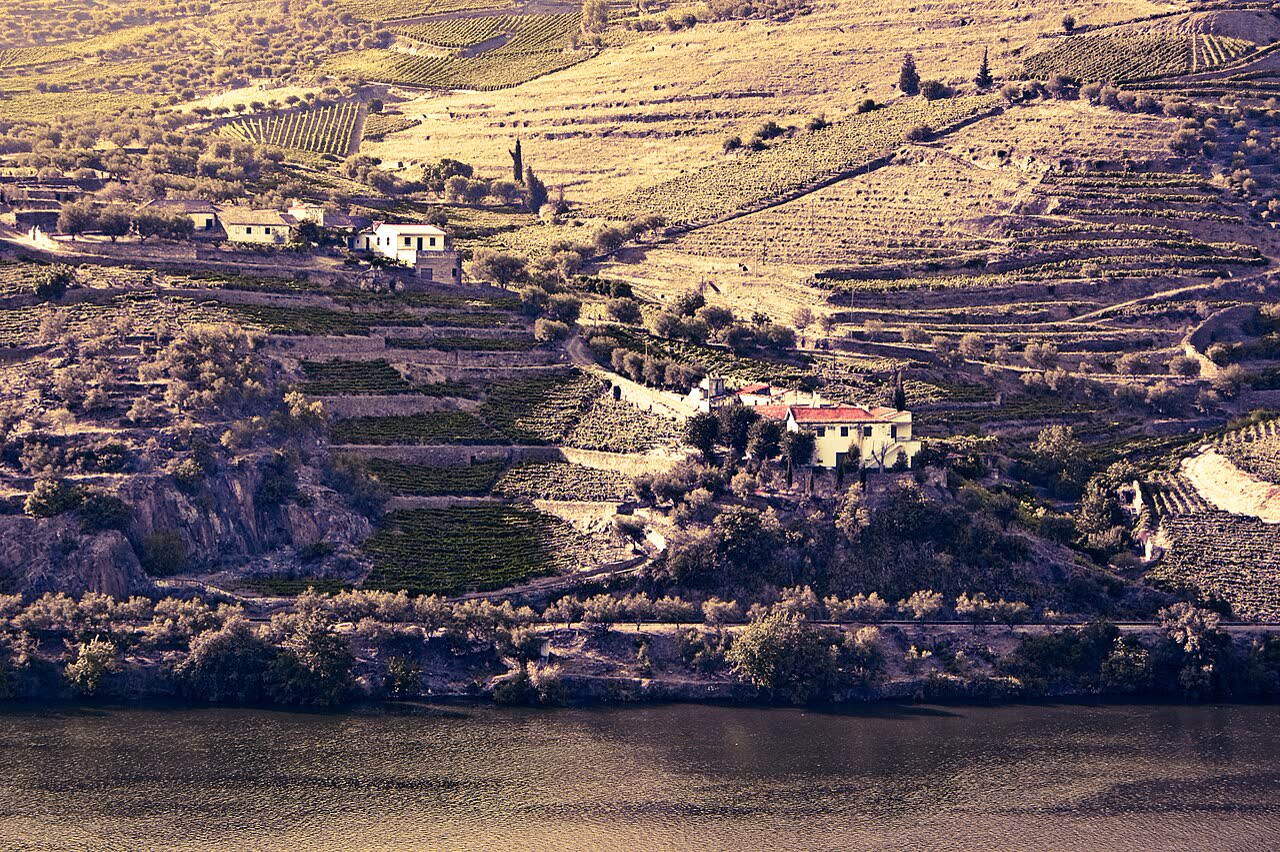
The Douro Valley, about 100km east of Porto, is the home of port: terraced vineyards above a winding river, wine estates and one of Europe’s most scenic railway lines. Here are the best things to do in the Douro Valley in 2026, with prices, booking rules and a link to the detailed guide for each one.
Quick answer: take the train along the river to Pinhão, see its tiled station, ride a rabelo boat, taste port at a quinta (book ahead; about €20 to €40), drive the N222 and watch the sunset from São Leonardo de Galafura. Add Lamego’s baroque stairway, Mateus Palace and, further east, the Côa Valley rock art. Note: buses replace trains between Marco de Canaveses and Régua from 3 November 2026 to 24 March 2027.

Wine and quintas
1. Taste port at a riverside quinta
The valley’s wine estates, or quintas, offer cellar tours with tastings of port and Douro wines for about €20 to €40 in 2026: €20 at Croft’s Quinta da Roêda, €30 at Quinta do Bomfim (five minutes’ walk from Pinhão station) and €35 at Quinta do Vallado near Régua. Almost every estate asks you to book, and two or three visits a day is plenty. See the best Douro quintas to visit and the port wine guide.
2. Join the harvest and tread grapes
The vindima (grape harvest) usually runs from mid-September into early October, though in hot years picking can start in late August. Some estates still tread grapes by foot in granite tanks called lagares, and a few, including Quinta da Roêda, let visitors join in if they book ahead. It’s the busiest time of year, so reserve rooms early. See the best time to visit the Douro and wine tours in Portugal.
3. Stay the night at a quinta
Day-trippers leave by late afternoon, so a night on a wine estate gives you the evening light on the terraces and quiet, misty mornings. Try Quinta de la Rosa or Quinta Nova near Pinhão, or the wine-barrel suites at Quinta da Pacheca near Régua. A pool helps in July and August, when the valley can pass 35°C. See the best Douro Valley hotels and where to stay in the Douro Valley.
4. Take a wine tour from Porto
A full-day tour means nobody drives after the tastings: usually 9 to 10 hours, with two quintas, lunch with wine and often a one-hour boat trip. Small groups of eight or fewer feel far less rushed than a coach. See the best Douro wine tours and the Douro day trip from Porto.
The river
5. Take a rabelo boat trip from Pinhão
Flat-bottomed rabelo boats once carried port barrels down to Gaia, and boats in the same style now run short trips from Pinhão’s riverfront. In 2026 the operator Magnífico Douro charges €15 for about 50 minutes, with departures every half hour through the day, or €30 for two hours up to Tua and back. You can usually turn up, but book ahead in summer and at harvest. See Pinhão.
6. Cruise upriver from Porto
Day cruises leave Porto at about 8.30 to 9am, rise through the Crestuma-Lever and Carrapatelo locks (the latter lifts boats about 35 metres) and reach Régua in the late afternoon, with meals on board and the train back. Prices start at about €60, and most run from about March to November. It’s a 12-hour day. See Douro river cruises or, for an hour in the city, the six bridges cruise.
Towns and viewpoints
7. See the tiled station at Pinhão
Pinhão’s station is lined with 24 blue-and-white azulejo panels, 3,024 hand-painted tiles put up in 1937, showing the harvest, the terraces and the rabelo boats. It’s free and takes about 15 minutes. The village is small but the easiest base without a car. See the Pinhão guide.
8. Visit the Douro Museum in Régua
The Museu do Douro, in the riverside headquarters of the old port wine company, explains how the terraces were built and how the region was demarcated in 1756. Entry is €7 (€3.50 for over-65s and students aged 12 to 25, free for under-12s), daily from 10am to 6pm from March to October and until 5.30pm in winter. Allow one to two hours. See Peso da Régua.
9. Walk Lamego’s sanctuary stairway
About 15 minutes south of Régua, a baroque stairway of 686 steps, lined with tiles, fountains and statues, zigzags up to the sanctuary of Nossa Senhora dos Remédios. Entry is free; the climb takes 20 to 30 minutes, so many people drive to the top and walk down. The Museu de Lamego has been closed for renovation since May 2025. See Lamego.
10. Tour Mateus Palace near Vila Real
The baroque manor on the Mateus Rosé label is about 30 minutes north of Régua, with formal gardens, a cedar tunnel and a reflecting pool. In 2026 the gardens and chapel cost €13.50, the house with an audio guide €19 and a 50-minute guided tour €27, daily from 9am to 6pm. Allow about 1.5 hours. See Mateus Palace.
11. Watch the sunset at São Leonardo de Galafura
This miradouro (viewpoint), about 640 metres up in the hills north of Régua, looks over the river bends from beside a small chapel. The writer Miguel Torga called the view a “geological poem”, and one of his poems is carved in stone at the top. You need a car or taxi. See the Douro Valley itinerary.
12. Look down on Pinhão from Casal de Loivos
The classic view of the river bend and Pinhão is from Casal de Loivos, about 10 minutes’ drive above the village on a steep, narrow road. Parking is tight, so go early, when the light is best anyway. Fit walkers can hike up and back in about two hours. See the Douro Valley without a tour.
Drives and trains
13. Ride the Douro line train
CP regional trains from Porto São Bento follow the river to Régua in about two hours and Pinhão in about 2h20 to 2h30, for roughly €12 to €13 one way. Trains are few, so check your return, and sit on the right heading east. From 3 November 2026 to 24 March 2027, buses replace trains between Marco de Canaveses and Régua, so check connections on cp.pt. See day trips from Porto by train.
14. Drive the N222
The 27km stretch of the N222 from Régua to Pinhão follows the south bank through more than 90 bends, and a 2015 study named it the world’s best driving road. Allow half a day with viewpoint stops and lunch, and fill up in Régua. The driver should skip the tastings: the limit is 0.5g/l, or 0.2g/l for drivers with a licence under three years old. See the best road trips in Portugal and driving in Portugal.
15. Break the drive in Amarante
Amarante, about an hour from Porto on the A4, has the granite São Gonçalo bridge of 1790, a riverside church and convent pastries made with eggs and almonds. Half a day covers the bridge, the church and the Amadeo de Souza-Cardoso art museum, which is usually closed on Mondays. See Amarante.
Further up the valley
16. Take the train on to Tua and Pocinho
Beyond Pinhão the line runs past Tua to Pocinho, about 3h20 from Porto, through the wildest stretch of the valley. CP’s historic train runs from Régua to Tua and back in summer: in 2026 it ran from 6 June to 18 October on weekends and some Wednesdays, behind a 1960s diesel engine, for €60 (€32 for children aged 4 to 12). Book on cp.pt once the next season’s dates appear. See the Douro Valley without a tour.
17. Climb to São Salvador do Mundo
Upriver from Pinhão near São João da Pesqueira, this granite hill of about 490 metres is dotted with small chapels, the oldest from the 16th century, and looks down on the Cachão da Valeira gorge. You can drive part of the way up, with parking and a picnic area, and walk the rest. Roads out here are slow, so pair it with a nearby quinta such as Ventozelo. See the best Douro quintas.
18. See the Côa Valley rock art
Near Vila Nova de Foz Côa, about 2.5 hours from Porto, thousands of Ice Age engravings of horses, aurochs and ibex cover open-air rocks, a UNESCO World Heritage Site since 1998. Official guided 4x4 visits cost €18 a person per site, or €22 for the lamplit night visit at Penascosa, so book ahead. The Côa Museum closes on Mondays from November to March, but site visits still run. See the Côa Valley rock art and, near the Spanish border, Miranda do Douro.
Getting there and around
- Train: the cheapest and most scenic way to Régua or Pinhão, then walk, take a boat or use taxis.
- Car: about 1h15 to 1h30 from Porto to Régua on the A4 and A24, and 1h45 to 2h to Pinhão; only the A4 between Porto and Amarante is tolled. Best for viewpoints and the upper valley, but quinta roads are narrow and steep. See car rental in Portugal and Portugal tolls explained.
- Tour: the easiest choice for several tastings, with driving and lunch handled.
How long to stay
A day trip covers Pinhão or Régua, a boat trip and a tasting or two, but it’s a long day. Two nights is a good minimum. With three or four, add Lamego, Mateus Palace and the viewpoints, and with a car, a night further east for the Côa Valley. See the 3-day Douro Valley itinerary.
When to go
May, June, September and October are the best months, with warm days and green or golden vines. Bear in mind:
- Harvest: mid-September to early October, the busiest time. Lamego’s festival peaks on 8 September, and Port Wine Day is 10 September.
- Summer: July and August often pass 35°C in the valley.
- Autumn colour: late October into early November.
- Winter: quiet and cheaper, but some quintas cut their hours, most day cruises stop and rail replacement buses run from 3 November 2026 to 24 March 2027.
- Almond blossom: late February and March around Vila Nova de Foz Côa.
See the best time to visit the Douro and the Douro Valley in winter.
FAQ
How many days do you need in the Douro Valley?
Two nights is a good minimum. A day trip from Porto works, but much of it goes on travelling.
Can you visit the Douro Valley without a car?
Yes. Take the train to Pinhão, walk to Quinta do Bomfim, take a boat trip and use taxis for nearby estates. From 3 November 2026 to 24 March 2027, part of the journey from Porto is by replacement bus.
Is Pinhão or Régua the better base?
Pinhão is smaller and prettier, among the best vineyards. Régua is closer to Porto, with more restaurants, more trains and the Douro Museum.
What is the best month to visit the Douro Valley?
September, for the harvest. Late October is best for autumn colour and smaller crowds.
More: the best day trips from Porto, Portugal’s wine regions, things to do in Porto and the best things to do in Portugal.
Prices and details change, so please double-check before you travel. Spotted something out of date? Tell us in the groups.
Still got questions?
Ask 305,000+ travellers and locals in our free Facebook groups.