
Lamego: The Baroque Staircase Sanctuary
Lamego, just south of the Douro, is famous for one of Portugal’s most spectacular sights: a baroque zigzag staircase of 686 steps, decorated with tiles and fountains, climbing to the hilltop sanctuary of Nossa Senhora dos Remédios. Here’s how to visit.
Quick answer: Lamego is about 15 minutes’ drive from Peso da Régua and 1.5 hours from Porto. Climb the staircase to the sanctuary (or drive to the top and walk down), see the cathedral and the castle, and taste sparkling wine. It’s easy to combine with a Douro trip. See places to stay in Lamego.
.jpg)
Why go
Most visitors to the Douro stay by the river and never climb the hill to Lamego. That’s a shame. It’s one of the main baroque towns of northern Portugal, with a grand staircase, a medieval castle, a fine cathedral and a long history. Legend says the first Portuguese parliament (the Cortes) met here in the 12th century. It’s also a good, calmer base for exploring the Douro.
The sanctuary and staircase
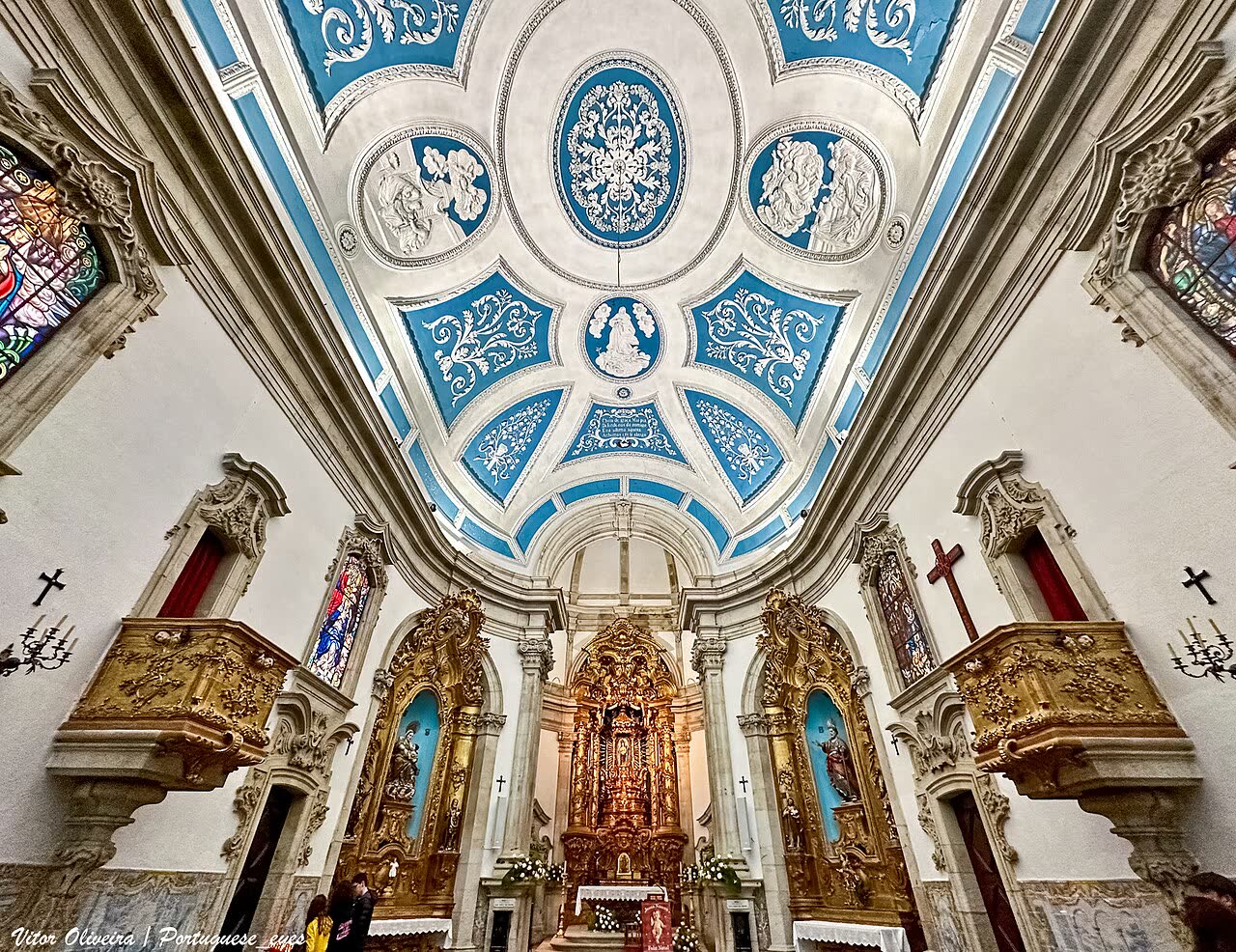
The Santuário de Nossa Senhora dos Remédios sits at the top of a monumental baroque staircase with landings decorated with azulejos, statues and fountains. The view from the top looks straight down the avenue into town. In late August and early September, it’s the focus of one of northern Portugal’s biggest pilgrimages and festivals.
Work on the church began in 1750, but the whole project took a very long time: the twin towers were only finished in 1905. On the way up, look out for the blue and white tile panels, the fountains set into the walls and the Pátio dos Reis (Courtyard of the Kings), an upper landing ringed with statues of kings around a tall obelisk. Climbing all 686 steps takes about 20 to 30 minutes at a steady pace, with stops. Allow about an hour for the staircase, the church and the view.
Entry to the staircase and the church is free. There’s a car park at the top, and the bottom of the steps is a short walk from the cathedral, so walking down and exploring the town on foot is easy.
More in Lamego
- The cathedral: with a Romanesque tower and a baroque interior. The cathedral was founded in the 12th century, and the square tower is the oldest part.
- The castle: a small medieval keep with views. Look for the old cistern nearby, an unusual vaulted water store.
- The museum of art and tapestries. The Museu de Lamego fills an 18th-century bishop’s palace, with 16th-century Flemish tapestries, paintings by Vasco Fernandes (Grão Vasco) and richly gilded chapels rescued from a lost convent. It has been closed for renovation since May 2025, and no reopening date had been announced by late 2026, so check before you plan around it.
- Sparkling wine: the region is known for espumante, with cellars offering tours. Caves da Raposeira, just outside the centre, is the best known and has made sparkling wine since 1898. Tours usually need booking and don’t run every day, so check days and times in advance.
- Bola de Lamego: a bread stuffed with meat, the local speciality.
Lamego sits at the edge of Távora-Varosa, which in 1989 became the first Portuguese region to be demarcated for sparkling wine. Raposeira and Murganheira are its two best-known producers, so look for their bottles on local wine lists.
Getting there
- By car: about 1 hour 20 minutes to 1.5 hours from Porto on the A4 and A24 motorways (only the A4 from Porto to Amarante is tolled; the rest has been toll-free since 2025). There’s parking near the cathedral and up at the sanctuary. See driving in Portugal.
- By train and taxi: take the Douro line from Porto to Peso da Régua, about 2 hours, then a taxi or local bus for the 15-minute ride up to Lamego. The Marco de Canaveses to Régua section was closed for works over the winter and reopened on 2 April 2026. Some trains need a change at Marco or Caíde, so check on cp.pt.
- By coach: some long-distance coaches run from Porto, and Rede Expressos has a few buses a day between Régua and Lamego. Check current times before you travel.
How long to spend
Half a day covers the sanctuary, cathedral and castle. A full day lets you add a cellar visit and a nearby village. A simple one-day route: drive up to the sanctuary in the morning and walk down the staircase into town. See the cathedral and the castle, then have lunch. In the afternoon, visit a sparkling wine cellar, then drive down to Régua for the river at sunset.
Food
Lamego is known for its cured ham (presunto) and for bola de Lamego, a bread baked with layers of ham, chorizo or chicken. Hearty roasts appear on many menus. Pair them with Douro red wine or the local espumante. Small bakeries sell bola by the slice, which makes an easy picnic.
When to go
Spring and autumn are best, with mild weather for the climb. The Festas de Nossa Senhora dos Remédios run from late August to early September (27 August to 9 September in 2026), and the main day is 8 September, a local holiday. The highlight is the Triumph Procession on the afternoon of 8 September, when religious floats are pulled through town by oxen. Book well ahead for those weeks. September and early October are also harvest time in the Douro. See the best time to visit the Douro.
Nearby
- Peso da Régua and the Douro. See Régua.
- Ucanha: a medieval fortified bridge in a nearby village.
- Quintas along the river. See the Douro itinerary.
Tips
- Walk down, not up: drive or take a taxi to the sanctuary and walk down the staircase.
- Heat: visit early or late in summer.
- Museum: the Museu de Lamego is closed for works, so check its status before you go.
- Combine: Lamego, Régua and a quinta make a perfect day.
FAQ
How many steps does the Lamego staircase have?
There are 686 steps from the bottom of the avenue to the sanctuary. Most people take 20 to 30 minutes to climb them with stops, or you can drive to the top and walk down.
Can you get to Lamego without a car?
Yes. Take the Douro line train to Peso da Régua, then a taxi or bus for the 15-minute ride up. Some coaches also run from Porto.
Is the Museu de Lamego open?
Not at the moment. It closed in May 2025 for renovation, and no reopening date had been set by late 2026.
Is Lamego worth a visit from the Douro?
Yes. It’s only 15 minutes from Régua, and the staircase, the cathedral and a sparkling wine cellar make an easy half day or full day.
More: Douro Valley hotels, the most beautiful small towns, the historic villages of Portugal and Mateus Palace.
Some links in this guide are affiliate or referral links (GetYourGuide, Booking.com, Discover Cars, Welcome Pickups, Airalo, Yesim, Saily, Tiqets, Radical Storage, EKTA, AirHelp, Uber). If you book or sign up through them we may earn a small commission or ride credit at no extra cost to you. It helps keep our groups and this site free.
Still got questions?
Ask 305,000+ travellers and locals in our free Facebook groups.