
The Douro Valley in Winter: Is It Worth Visiting?
Most people visit the Douro Valley between spring and the autumn harvest, but winter has its own quiet magic. Expect misty mornings over the river, crackling fireplaces in the quintas, hearty food, no crowds and lower hotel prices. Here’s what to expect in the Douro from November to February, and whether it’s worth going.
Quick answer: yes, if you want peace and atmosphere. Winter in the Douro is cool and often misty, with bare vines and short days. Some quintas reduce their schedules and most river cruises stop, so book visits ahead. The Douro railway normally runs all year, but winter engineering works have closed parts of it, so check before you go. Late November still has autumn colour, and in late February the almond trees blossom in the upper Douro.
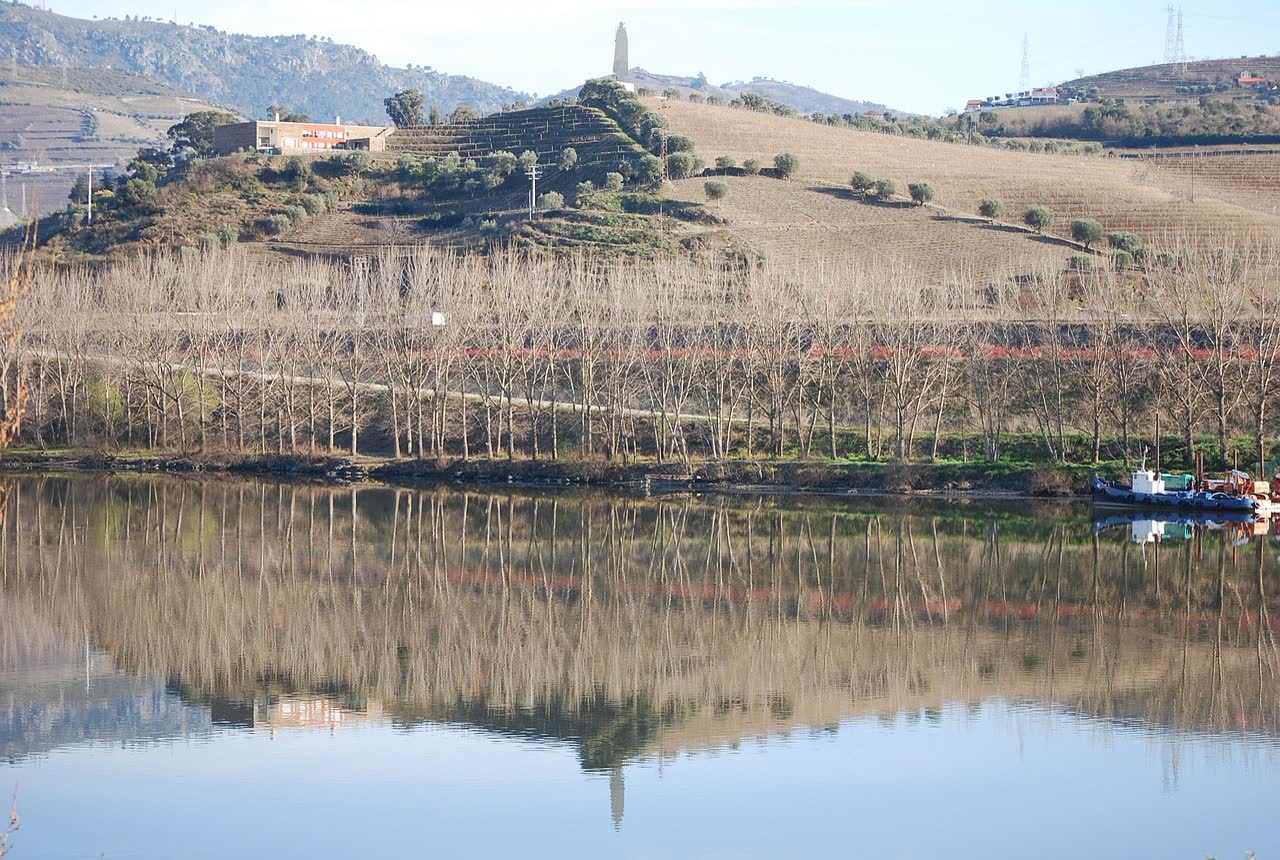
Why go in winter
In summer and at harvest time the Douro is hot, busy and booked up. In winter you share the terraced hills with the people who work them. Tastings are more personal, the roads are empty and hotel rates drop. You trade green vines and long sunny days for mist, open fires and a slower pace. If that sounds good, winter is a fine time to go.
What winter is like
- Weather: cool, with cold nights and frequent fog and rain. Daytime highs are usually around 10 to 14°C in December and January. The valley can be surprisingly sunny in the afternoons once the mist clears. Frost is common on clear nights, especially higher up.
- The landscape: red and gold leaves into November, then bare, sculptural terraces in December and January. You see the shape of the terraces and the old stone walls far more clearly without the leaves.
- Crowds: very few. You’ll often have tastings to yourself.
- Daylight: short days in December and January, with dark falling at about 5.30pm, so plan your driving for the middle of the day.
What’s open
- Quintas: many stay open for tastings, some by appointment only. Book ahead and check holiday closures around Christmas.
- River cruises: most Porto to Régua day cruises run from about March to November, and the big multi-day river cruise ships stop in winter too. Short boat trips from Pinhão may run on fine days, so ask locally. See Douro river cruises.
- The Douro railway from Porto’s São Bento to Peso da Régua, Pinhão and Pocinho normally runs all year. Electrification works closed the stretch between Marco de Canaveses and Régua from November 2025 to April 2026, with replacement buses, and the works continue into 2027, so check cp.pt for any winter closures. The historic train between Régua and Tua runs only from early summer to mid-October (in 2026 it was pulled by a vintage diesel engine, not steam). See the Douro itinerary.
- Restaurants: some in the villages close or shorten hours, so reserve.
Things to do in winter
- Port and wine tastings by the fire in a historic quinta. See Douro wine tours.
- The scenic train ride along the river, which is just as beautiful in the mist.
- Olive oil: the olive harvest runs in late autumn and early winter.
- Hearty food: roast kid, cabrito, bean stews and chestnuts.
- The Côa Valley rock art in the upper Douro. The Côa Museum closes on Mondays from November to March, though rock art site visits still run (book ahead). See UNESCO sites and the Côa Valley rock art.
- Almond blossom in late February and early March around Vila Nova de Foz Côa.
- Drive the N222 without the summer traffic. See the best road trips.
Getting there
- By train: CP regional trains leave Porto São Bento for the Douro several times a day. Régua takes about two hours, Pinhão about two hours 20 minutes and Pocinho about three and a half hours. Fewer trains go all the way to Pocinho, so check times at cp.pt.
- By car: Régua is roughly an hour and a half from Porto on the motorway. Only the A4 from Porto to Amarante is tolled; beyond Amarante the A4 and the A24 have been toll-free since January 2025. The riverside roads are narrow and winding, and fog can be thick in the morning, so drive slowly.
- By tour: day tours from Porto run all winter. See below.
How long to spend
A day trip shows you the river and one or two quintas. Two or three nights let you settle in, taste at several estates and drive the N222 without rushing.
A winter weekend
- Day 1: the morning train from Porto to Régua, a quinta visit and lunch, then on to Pinhão. See Pinhão and Peso da Régua.
- Day 2: a slow drive along the N222, a tasting by the fire, and a walk through the terraces once the mist lifts.
- Day 3: the upper Douro and the Côa Museum (not on a winter Monday), or back to Porto along the river.
Food and drink
Winter food in the Douro is rich and warming. Look for cabrito assado (roast kid), roast veal, feijoada (bean stew), smoked sausages, chestnuts and new-season olive oil. Pair it with a red Douro wine, then finish with a glass of tawny port. Around 11 November, São Martinho brings roast chestnuts and young wine.
When to go
- November: the last autumn colour, the new olive oil and São Martinho chestnut feasts.
- December: quiet and festive. Check Christmas closures.
- January: the coldest, quietest month, with the lowest hotel rates.
- Late February and early March: almond blossom in the upper Douro, with the almond festival in Foz Côa.
Practical tips
- Pack layers, a waterproof jacket and shoes with grip for wet terraces.
- Book tastings ahead, even more than in summer, as many quintas only open on request.
- Don’t drink and drive. Portugal’s limits are strict, and the roads are winding.
Where to stay
Choose a quinta with a fireplace and a heated pool or spa. Winter rates are often much lower. See the best Douro Valley hotels.
Day trip or overnight?
With short days, an organised day trip from Porto is the easiest option, with transport, tastings and lunch included. See Douro Valley tours from Porto. If you drive yourself, stay overnight and remember the designated driver.
FAQ
Is the Douro Valley worth visiting in winter?
Yes, if you like quiet roads, fireside tastings and lower prices. You won’t see green vines or the harvest, and the days are short, so plan fewer stops.
Does the Douro train run in winter?
Regular CP trains normally run all year, but engineering works can close sections, with replacement buses. Check cp.pt before you travel. The historic train only runs from early summer to mid-October.
Can you take a Douro river cruise in winter?
Not easily. Most day cruises between Porto and Régua run from about March to November, so in deep winter the train or a tour is the better way to see the river.
More: Porto in winter and Portugal’s wine regions.
Some links in this guide are affiliate or referral links (GetYourGuide, Booking.com, Discover Cars, Welcome Pickups, Airalo, Yesim, Saily, Tiqets, Radical Storage, EKTA, AirHelp, Uber). If you book or sign up through them we may earn a small commission or ride credit at no extra cost to you. It helps keep our groups and this site free.
Still got questions?
Ask 305,000+ travellers and locals in our free Facebook groups.