
The Coa Valley Rock Art: How to Visit
In the Côa Valley, in the upper Douro, thousands of prehistoric engravings of horses, aurochs and ibex are carved into the rocks in the open air. It’s one of the most important Palaeolithic rock art sites in the world, and a UNESCO World Heritage site. Here’s how to visit.
Quick answer: start at the Côa Museum near Vila Nova de Foz Côa, then join a guided tour (usually in a 4x4) to one of the rock art sites, such as Canada do Inferno, Penascosa or Ribeira de Piscos. Book ahead. Night tours at Penascosa use lamplight to reveal the engravings. It’s about 2.5 hours from Porto.

Why go
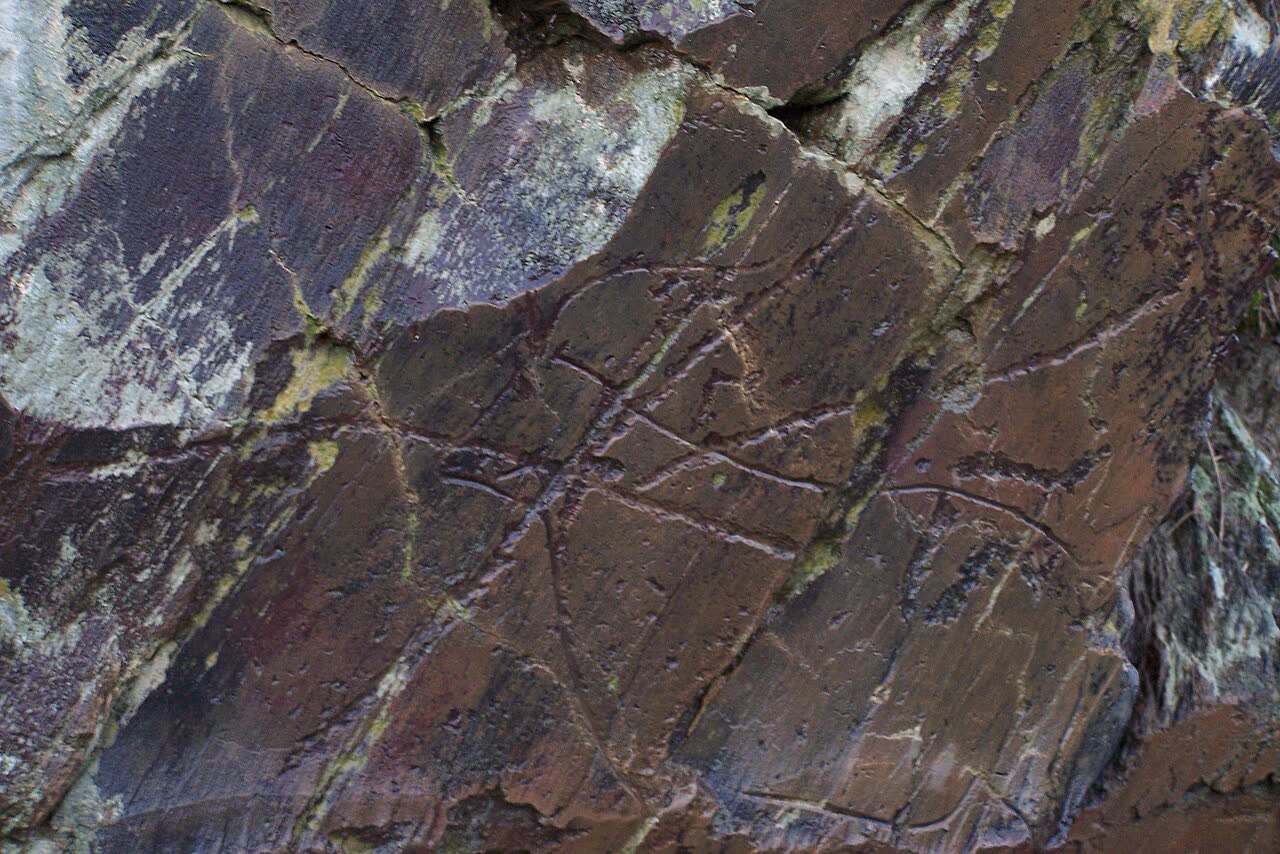
Most Ice Age art in Europe is hidden in caves. Here it sits on open rock faces by the river, in the same landscape the hunters saw. Once your eyes adjust, you start to pick out animals scratched and pecked into the schist, some overlapping, some drawn with several heads to suggest movement. It’s a rare chance to see art this old outdoors, in a wild and beautiful valley.
About the site
An archaeologist working on a planned dam first identified engraved rocks here in late 1991, and the find was made public in 1994. After a national campaign, the government halted work on the dam in 1995 and the scheme was abandoned to save the art. The site became a UNESCO World Heritage site in 1998, and in 2010 the listing was extended to include Siega Verde, just across the border in Spain. Most of the Ice Age engravings were made between roughly 22,000 and 10,000 BC, in the Upper Palaeolithic. Later people kept adding images, right up to the 20th century.
What you see on the rocks
Most figures are animals: horses, aurochs (wild cattle), ibex and deer. Some were pecked into the rock with a hard stone, others finely scratched, so expect small, faint panels rather than huge murals. Your guide points out the lines.
How to visit
- The museum: the Côa Museum opened in 2010 in a striking concrete building above the river, about 3km from the centre of Vila Nova de Foz Côa. It explains the art, how it was dated and the people who made it, and the views from the terrace are superb. Allow 1.5 to 2 hours. It’s usually open from 9am to 5.30pm (6pm from May to September) and closed on Mondays from November to March, though site visits still run on those days.
- Guided visits: sites can only be visited with official guides, in small groups, in all-terrain vehicles followed by a short walk. Tours to Canada do Inferno and Ribeira de Piscos leave from the museum. Tours to Penascosa leave from the reception centre in the village of Castelo Melhor, about 15km from Vila Nova de Foz Côa.
- Which site: Penascosa has the easiest, shortest walk, about 600m in all, and the visit takes about 1.5 hours. Canada do Inferno is moderate, with about 10km by 4x4, around 800m on foot and some steps. Ribeira de Piscos takes about 2.5 hours, with over 2km of walking on an uneven path, and isn’t suitable if you have trouble walking.
- Timing: Canada do Inferno and Ribeira de Piscos are visited in the morning for the best light, and Penascosa in the afternoon. You can’t fit more than two sites into one day. Ribeira de Piscos isn’t offered in summer because of the heat.
- Night visits: only at Penascosa, where low-angled lamplight makes the faint carvings stand out.
- By boat or kayak: from May to October, a quiet solar-electric boat takes small groups about 4km down the Côa to the Fariseu site, a trip of about 1.5 hours. Guided kayak visits are also on offer.
- Booking and prices: book online through the official Arte-Côa website, or by phone or email, giving your date, site and group size. At the current rates, a site visit costs about €18 per person and the night visit about €22. The museum has its own ticket. Groups are small, so book a few days ahead, especially in spring and autumn.
Getting there
- By car: Vila Nova de Foz Côa is about 200km from Porto, usually around 2.5 hours via the A4 and IP2. A car is by far the easiest option, as the sites are spread out.
- By train: the Douro line from Porto São Bento ends at Pocinho, about 3 hours 20 minutes away. Through trains to Pocinho resumed in spring 2026 after works on the line. Pocinho is a short taxi ride from Vila Nova de Foz Côa. Arrange the taxi in advance. See day trips from Porto by train.
How long to spend
Plan a full day, or better, a night in the area. A good day: a morning tour to Canada do Inferno from the museum, then the museum itself and lunch in Vila Nova de Foz Côa, followed by an afternoon tour of Penascosa from Castelo Melhor.
Food
This is almond, olive and wine country. Try local olive oil, sugared almonds and the strong red wines of the Douro Superior. Village restaurants serve hearty Trás-os-Montes and Beira food, such as roast meats and cured sausages.
When to go
- Late February and March: the almond trees blossom across the upper Douro. Vila Nova de Foz Côa has held an almond blossom festival every year since 1980, usually from late February into early March.
- Spring and autumn: the most comfortable temperatures for the walks.
- Summer: very hot. Book morning visits and bring a hat, water and sun cream.
- Winter: quiet, but bring a raincoat.
Nearby
- The upper Douro: vineyards, almond blossom in late winter and the end of the Douro railway line at Pocinho. See the Douro itinerary.
- Castelo Rodrigo: a historic hilltop village. See the historic villages.
- Siega Verde (Spain): the other half of the UNESCO listing, near Ciudad Rodrigo across the border. Spain is one hour ahead.
Where to stay
Stay in a Douro quinta. Casa do Rio is close by. See where to stay in the Douro Valley or browse Douro stays.
FAQ
Can you visit the Côa Valley rock art without a guide?
No. The rock art sites can only be visited on official guided visits, booked through the Arte-Côa website, by phone or by email. You can visit the Côa Museum on your own.
Which Côa site is best for a first visit?
Penascosa is the easiest, with about 600m of walking, and it’s the only site with night visits. If you can manage some steps, add Canada do Inferno in the morning.
Can you get to the Côa Valley without a car?
Yes, with planning. Take the Douro line train from Porto to Pocinho, then use pre-booked taxis to reach the museum and the tour departure points. See the Douro without a tour.
More: UNESCO sites in Portugal, the Douro in winter and Miranda do Douro.
Some links in this guide are affiliate or referral links (GetYourGuide, Booking.com, Discover Cars, Welcome Pickups, Airalo, Yesim, Saily, Tiqets, Radical Storage, EKTA, AirHelp, Uber). If you book or sign up through them we may earn a small commission or ride credit at no extra cost to you. It helps keep our groups and this site free.
Still got questions?
Ask 305,000+ travellers and locals in our free Facebook groups.