
Douro River Cruises: Day Trips from Porto and Week-Long Sailings
Cruising the Douro is one of the most relaxing ways to see Portugal’s most beautiful wine region: terraced vineyards rising from the water, whitewashed quintas, and some of Europe’s highest river locks. You can do it in an hour, a day or a week. Here’s how to cruise the Douro River, with typical prices.
Quick answer: from Porto, a day cruise to Régua with lunch and the train back costs about €60–155. Short on time? The 50-minute six bridges cruise in Porto costs about €18–20. For a week, 7-night river cruises with lines like Viking, AmaWaterways, Uniworld and CroisiEurope cost from about $2,200 to $5,500 per person. Best from April to October.
Why cruise the Douro
The Alto Douro wine region is a UNESCO World Heritage Site, and the best view of its terraces is from the river itself. Roads in the valley are narrow and winding, so a boat lets everyone in your group enjoy the scenery, including the driver. The river is calm, the boats are stable, and passing through the huge locks is an experience in its own right.
Which cruise suits you?
- One or two hours in Porto: the six bridges cruise.
- Already in the valley: a one-hour boat trip from Pinhão or Régua.
- A full day from Porto: the Régua cruise with lunch and the train back.
- A week: a multi-day river cruise with meals and excursions.
Day cruises from Porto
The classic: board a boat in Porto in the morning, cruise upriver through the locks with breakfast and lunch on board, and arrive in Peso da Régua in the late afternoon, then return to Porto by train along the river.
- Price: from about €60 for basic options up to about €80–120 with better food and service.
- Timings: boats usually leave at about 8:30–9am, from the Freixo quay east of the centre or from the Gaia and Ribeira riverside, and reach Régua at about 4:30pm. The train back to São Bento takes about two hours.
- Train add-on: some packages include the Douro Historical Train, run by CP between Régua and Tua with a stop at Pinhão. It uses five early 20th-century carriages, now pulled by a 1960s diesel locomotive rather than steam. In 2026 it runs from 6 June to 18 October on Saturdays, Sundays and some Wednesdays, and the train alone costs about €60 for adults. Cruise-and-train packages often cost around €150.
- The reverse: some cruises go downriver from Régua to Porto.
- It’s a long day (about 12 hours door to door), so it’s best if you love being on the water.
What the day looks like
Expect an early start from the Porto or Gaia riverside, then a slow trip upstream past wooded hills before the vineyards begin. You pass through the Crestuma-Lever and Carrapatelo locks on the way to Régua. Lunch is usually served on board. The scenery gets more dramatic the further east you go, so the best views come in the afternoon.
Short cruises in the valley
If you’re already in the Douro, one-hour boat trips from Pinhão or Régua are a lovely, easy way to see the vineyards from the water. Pinhão sits in the heart of the best port vineyards, so it’s the most scenic stretch for a short trip. A one-hour rabelo trip there costs from about €15. Many Douro wine tours include one. See our guides to Pinhão and Peso da Régua.
Six bridges cruise in Porto
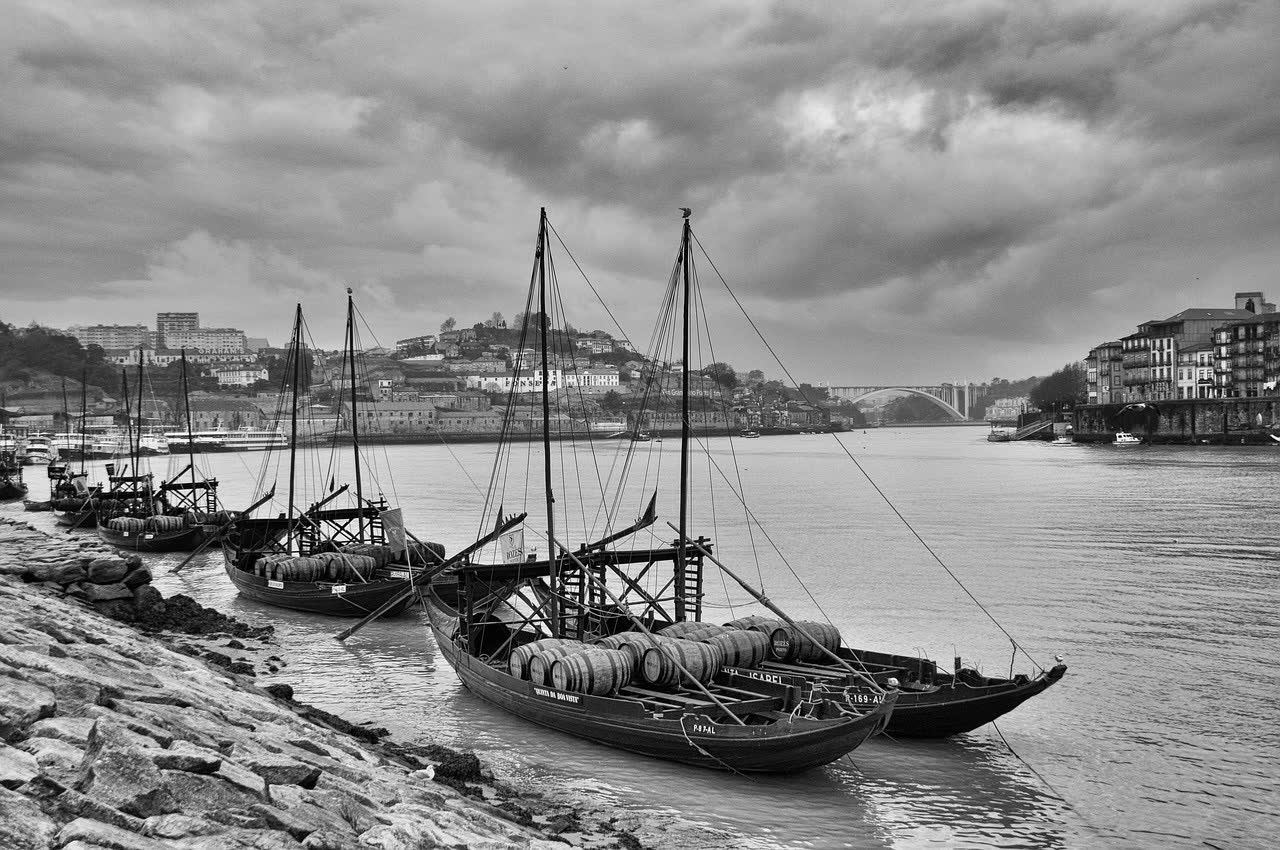
The 50-minute trip under Porto’s six bridges on a rabelo-style boat, for about €18–20. You pass under the Arrábida, Infante, D. Luís I, Maria Pia, São João and Freixo bridges. It doesn’t reach the vineyards, but it’s a fun way to see the city from the water. See Porto river cruises, or read our six bridges cruise guide.
Multi-day river cruises
Week-long cruises usually sail from Porto to near the Spanish border and back, with stops at Pinhão, Régua, quintas and the old university town of Salamanca in Spain (by coach).
- Viking: “Portugal’s River of Gold”, from about $3,700 per person for a summer sailing.
- AmaWaterways: “Enticing Douro”, about $4,150–5,450.
- Uniworld: from about $4,200 (around €3,850 in Europe).
- CroisiEurope: often the best value, from about $2,200.
Prices include meals, excursions and often wine. They change a lot by date and cabin, so check the cruise line’s own site. Look for early-booking and shoulder-season offers.
The locks
The Douro has five dams with locks between Porto and the Spanish border: Crestuma-Lever, Carrapatelo, Régua, Valeira and Pocinho. Since the last of them was finished in the 1980s, boats can sail about 210km from Porto to Barca d’Alva on the border. The Carrapatelo lock lifts boats about 35 metres, one of the highest river locks in Europe. Crestuma-Lever lifts about 14 metres, Régua about 29 and Valeira about 33. Rising slowly in the dark lock chamber is a highlight of any cruise.
When to go
- Spring (April to June): green vineyards and pleasant temperatures.
- Summer: hot in the valley (often 35°C or more), but long, sunny days.
- Harvest (September to early October): the most atmospheric, with grape picking and golden light. Book early.
- Autumn (late October and November): the vines turn red and gold, but there are fewer sailings.
- Winter: fewer sailings, and the river can be high after rain.
See the best time to visit the Douro.
Practical tips
- Sun: bring a hat and sun cream. Open decks get very hot in summer.
- Seats: board early if you want a spot on the upper deck.
- Train back: check whether your return ticket is included and the time of the train.
- Food: tell the operator about any dietary needs when you book.
FAQ
How long does the cruise from Porto to Régua take?
About seven to eight hours on the boat, usually leaving around 9am and arriving in the late afternoon. Add about two hours for the train back to Porto.
Can I cruise the Douro without booking a tour from Porto?
Yes. Take the train from São Bento to Pinhão (about 2.5 hours; the Marco de Canaveses to Régua section reopened on 2 April 2026 after works) and join a one-hour boat trip from the riverfront, from about €15.
Does the Douro historic train still run on steam?
No. Since 2025 a 1960s diesel locomotive has pulled the historic carriages because of restrictions on the line. In 2026 it runs from 6 June to 18 October and costs about €60.
Can I cruise the Douro in winter?
Yes, but there are far fewer sailings from November to March, and trips can be cancelled when the river is high.
Cruise or land?
A cruise is relaxing and scenic, but you see less of the quintas up close. Many people combine a short cruise with a wine tour or a few nights at a Douro wine hotel. See also the Douro without a tour.
Some links in this guide are affiliate or referral links (GetYourGuide, Booking.com, Discover Cars, Welcome Pickups, Airalo, Yesim, Saily, Tiqets, Radical Storage, EKTA, AirHelp, Uber). If you book or sign up through them we may earn a small commission or ride credit at no extra cost to you. It helps keep our groups and this site free.
Still got questions?
Ask 305,000+ travellers and locals in our free Facebook groups.