
Port Wine Guide: Types, How to Drink It and Where to Taste
Port is Portugal’s most famous drink: a sweet, fortified wine made from grapes grown on the steep terraces of the Douro Valley and aged in the cellars of Vila Nova de Gaia, across the river from Porto. Here’s a simple guide to the types of port, how to drink it, and where to taste it.
Quick answer: the main styles are ruby (young, fruity), tawny (aged in barrels, nutty and caramel), white (great with tonic) and vintage (the finest, from exceptional years). Taste them in the port lodges of Gaia, in the Douro Valley where the grapes grow, or order a port tonic on a Porto terrace in summer.
Why it’s worth learning a little
Many visitors try one glass of cheap ruby, decide port is “too sweet”, and miss out. The styles taste very different. A chilled white port tonic is light and refreshing, while a 20-year-old tawny is closer to a fine dessert wine. Knowing the basics helps you order well, pick a tasting that suits you and buy bottles worth taking home.
How port is made
Grapes from the Douro, one of the world’s oldest demarcated wine regions (1756), are fermented for a couple of days, then grape brandy is added to stop the fermentation. That keeps the natural sweetness and raises the alcohol to around 19–22%. The wine was traditionally shipped down the river on rabelo boats to age in Gaia’s cool, damp lodges. Today it travels by road, but the boats still sit on the river by the lodges.
- The grapes: port is usually a blend. Common red varieties include Touriga Nacional, Touriga Franca, Tinta Roriz, Tinta Barroca and Tinto Cão.
- Foot treading: some quintas still tread grapes by foot in shallow stone tanks called lagares at harvest time, in September.
- The rules: only wine from the Douro region, approved by the official port and Douro wine institute (IVDP), can be sold as port. Each approved bottle carries the institute’s guarantee seal.
- Port Wine Day: 10 September marks the founding of the demarcated region in 1756, and the IVDP usually celebrates with free tastings in Porto.
The main types
Port falls into two families. Ruby styles age mostly in large vats or in the bottle, so they keep their deep colour and fresh fruit. Tawny styles age for years in smaller wooden casks, where slow contact with air turns them amber and nutty.
Ruby
Young, deep red and fruity, aged briefly in large vats. Affordable and easy to drink. Reserve ruby is a step up in quality.
Late Bottled Vintage (LBV)
From a single year, aged 4–6 years before bottling. Richer than ruby, and great value.
Vintage
The finest port, made only in exceptional years that are “declared” by the producers. Bottled young and aged for decades in the bottle. Decant it before serving, as it throws a sediment. A single quinta vintage comes from one estate, often in good but not fully declared years. Very old bottles are sometimes opened with red-hot tongs, which snap the neck cleanly below a crumbly cork.
Tawny
Aged in wooden casks, which gives it an amber colour and flavours of nuts, caramel and dried fruit. Aged tawnies are labelled 10, 20, 30 or 40 years old. The age on the label is an average style for the blend, not an exact age.
Colheita
A tawny from a single harvest year, aged for at least seven years in wood. The bottle shows both the harvest year and the bottling date.
White
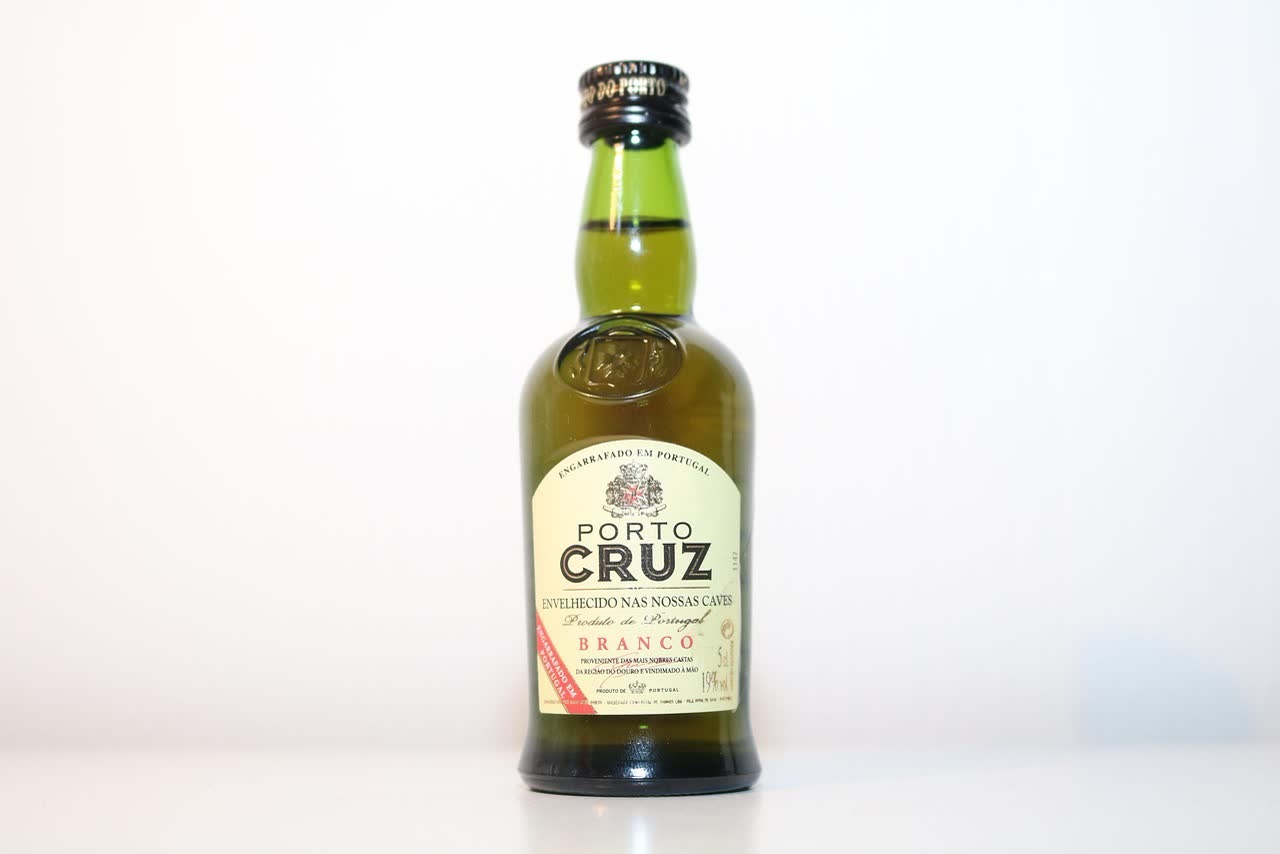
Made from white grapes, from dry to sweet. Mix it with tonic, ice, lemon and mint for the classic port tonic.
Rosé
A newer, lighter style, served chilled or in cocktails.
How to drink port
- Temperature: serve tawny and white slightly chilled; ruby and vintage at cool room temperature.
- Glass: a small wine glass works better than a tiny sherry glass, so you can smell the wine.
- With food: tawny with desserts, nuts and cheese; ruby and vintage with blue cheese or chocolate; white port tonic as an aperitif. Try tawny with a Portuguese sheep’s cheese. See our Portuguese cheese guide.
- Once open: rubies and tawnies keep for a few weeks; vintage port should be drunk within a day or two.
Where to taste port
- Vila Nova de Gaia: the famous lodges (Graham’s, Taylor’s, Sandeman, Cálem, Cockburn’s and more) offer cellar tours and tastings, from about €15–40. Tours usually last about an hour. See port tastings, or read our guide to Vila Nova de Gaia.
- Getting there: the riverside lodges are a short walk across the lower deck of the D. Luís I bridge. Some, including Taylor’s and Graham’s, sit up steep lanes above the river, so allow extra time or take a taxi.
- The Douro Valley: taste at the quintas where the grapes are grown, many with terraces over the river. See Douro wine tours, Douro hotels and the Douro without a tour.
- Wine bars in Porto and Lisbon, by the glass. This is the cheapest way to compare an LBV with a 10-year-old tawny side by side.
Choosing a tasting
- First time: a basic tour with two or three wines (often a white, a ruby and a tawny) shows you the range.
- Keen on wine: pay more for aged tawnies, a colheita or vintage port. The difference is worth it.
- Time it well: book a morning slot in summer, before the riverside gets hot and busy.
Buying port
- Good value: a decent LBV or 10-year-old tawny costs far less in Portugal than abroad.
- A special gift: a colheita from someone’s birth year makes a memorable present.
- Taking it home: pack bottles in checked luggage, or ask the lodge about shipping. Liquids over 100ml can’t usually go in hand luggage unless bought after security.
FAQ
What is the difference between ruby and tawny port?
Ruby ages mainly in large vats or in the bottle, so it stays red and fruity. Tawny spends years in small wooden casks, which turns it amber and gives it nutty, caramel flavours.
How much does a port tasting in Gaia cost?
From about €15 to €40. A standard cellar tour with two or three ports is usually at the lower end, while aged tawnies and vintage tastings cost more.
How long does port keep once opened?
Rubies and tawnies keep for a few weeks if you re-cork them and store them somewhere cool. Vintage port is best drunk within a day or two.
More: Portugal’s wine regions, vinho verde and what to eat in Porto.
See also: the best port cellars in Gaia and WOW (World of Wine).
Some links in this guide are affiliate or referral links (GetYourGuide, Booking.com, Discover Cars, Welcome Pickups, Airalo, Yesim, Saily, Tiqets, Radical Storage, EKTA, AirHelp, Uber). If you book or sign up through them we may earn a small commission or ride credit at no extra cost to you. It helps keep our groups and this site free.
Still got questions?
Ask 305,000+ travellers and locals in our free Facebook groups.