
Peso da Regua: Gateway to the Douro
Peso da Régua is the gateway to the Douro wine region: a riverside town where the river cruises from Porto arrive and the Douro Museum tells the story of port wine. It’s a practical base, with trains, hotels and easy access to Lamego and Pinhão.
Quick answer: Régua is about 2 hours by train from Porto’s São Bento, or about 1 hour 15 minutes by car. Visit the Museu do Douro, walk the riverside, take a boat trip, then visit Lamego (15 to 20 minutes south) or drive the N222 to Pinhão. See places to stay in Régua.
Why go
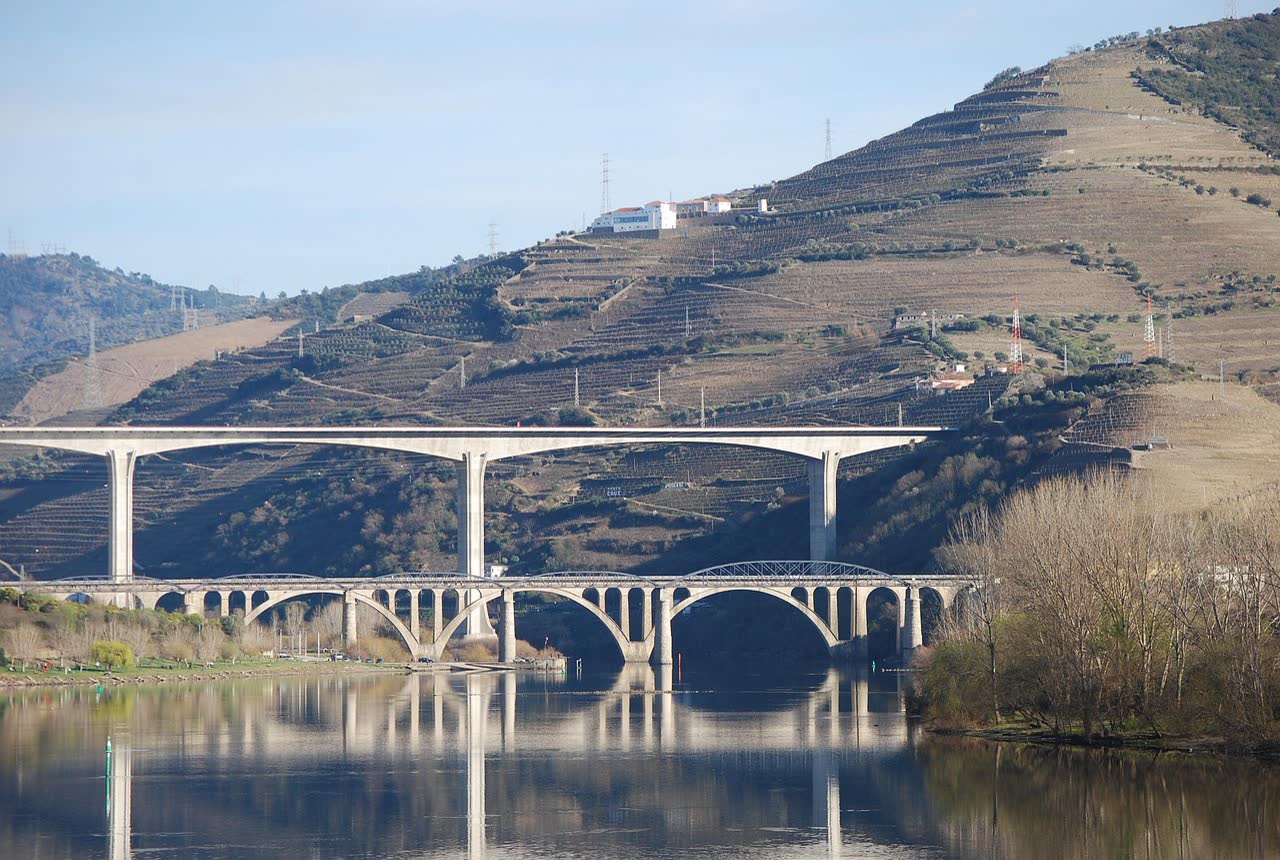
Régua isn’t the prettiest town in the Douro, but it’s the easiest to reach and the best connected. It sits right on the river at the western edge of the Alto Douro wine region, a UNESCO World Heritage Site. From here you can reach terraced vineyards, wine estates, boat trips and the region’s best museum without a car, which makes it a good first stop in the valley.
Things to do
- Museu do Douro: the region’s museum, covering the landscape, winemaking and the history of the Douro, which in 1756 became one of the world’s first officially demarcated wine regions (it’s often called the first). It opened in 2008 in the restored riverside headquarters of the old port wine company. Allow one to two hours. It’s usually open daily from 10am, closing at 6pm in summer and 5.30pm in winter.
- The riverside promenade and the bridges. Walk along the water to watch the cruise boats come in, and enjoy the views of the vineyard terraces rising above town.
- Boat trips upriver to Pinhão, or one-way cruises back towards Porto. Short trips pass through the river’s scenery, and some longer ones go through a lock. See Douro river cruises.
- Quintas: wine estates in the hills around town. Most offer tours and tastings by booking, so contact them ahead.
- São Leonardo de Galafura: a high viewpoint over the river bends north of town, about 640 metres up. The poet Miguel Torga described the view as a “geological poem”. You need a car or taxi to get there.
- The historic train: in summer and early autumn, CP runs a historic train from Régua to Tua and back, with stops at Pinhão. Check the CP website for the current season and book early.
The river and its locks
The Douro is a chain of dams, and boats climb them through locks. Cruises between Porto and Régua pass the Crestuma-Lever lock and the Carrapatelo lock, which lifts boats about 35 metres and is one of the highest in Europe. Just upriver from Régua, trips to Pinhão pass through the Bagaúste lock. A popular plan is a full-day cruise from Porto to Régua with the train back.
The historic train in 2026
The 2026 season runs from 6 June to 18 October, on Saturdays, Sundays and some Wednesdays. A diesel locomotive pulls five carriages from the early 20th century. It usually leaves Régua mid-afternoon and is back in the early evening. Tickets cost about €60 for adults and less for children.
Day trips from Régua
- Lamego: the baroque staircase sanctuary. See Lamego.
- Pinhão: along the N222 or by train. See Pinhão.
- Mateus Palace in Vila Real. See Mateus Palace.
Mateus Palace is usually open daily from 9am to 6pm. The N222 from Régua to Pinhão follows the south bank of the river for about 25km and is the classic Douro drive.
Getting there
Trains run from Porto São Bento and Campanhã along the Douro line. The trip usually takes about 1 hour 50 minutes to 2 hours, and the last stretch runs right beside the river, so sit on the right-hand side heading east. Many trains continue to Pinhão and Pocinho. Douro trains are regional, so you can’t reserve seats: buy a ticket and get on. See São Bento station and day trips from Porto by train.
- By car: from Porto, take the A4 motorway east and then the A24 south. The A4 between Porto and Amarante is tolled. The A4 beyond Amarante, including the Marão tunnel, and the A24 have been toll-free since 1 January 2025. See Portugal’s tolls explained.
- Parking: there are car parks near the riverside and the station, and parking is much easier than in Porto.
How long to spend
One day covers the museum, the riverside and a boat trip. Stay two or three nights if you want to visit quintas, Lamego and Pinhão at a slower pace.
A one-day route
- Morning: arrive by train and visit the Museu do Douro.
- Lunch: a long lunch in town with a glass of local wine.
- Afternoon: take a boat trip on the river, or a train to Pinhão and back.
- Evening: catch the train back to Porto, or stay the night.
Food
Douro food is hearty. Look for roast kid (cabrito assado), cured ham and bola de Lamego (a bread stuffed with meat), plus local olive oil. Before you leave, try the rebuçados da Régua, traditional boiled sweets sold in town. And, of course, port and Douro table wines.
When to go
The harvest (vindima), usually from September into early October, is the most atmospheric time, with grape-picking at the quintas. Spring brings green vineyards and mild weather. Summer can be very hot in the valley, often well over 35°C. Winter is quiet and some cruises stop running. See the best time to visit the Douro.
Régua’s biggest local festival is the Festas de Nossa Senhora do Socorro, also called the Festas do Douro. It runs through the summer, with processions, concerts and the main events on the weekend closest to 15 August.
Practical tips
- Book quintas ahead: many estates only take visitors by appointment.
- Don’t drink and drive: the roads are winding, so book a tour or use the train if you plan to taste.
- Going alone? See the Douro Valley without a tour.
Tours
Many day tours from Porto stop in Régua. See Douro wine tours.
FAQ
Is Régua or Pinhão a better base?
Régua is better for transport, shops and a range of hotels. Pinhão is smaller and prettier, and closer to the best vineyard scenery.
Can you visit Douro wineries without a car?
Yes, but it takes planning. Some quintas near Régua and Pinhão can be reached on foot or by taxi, and a boat trip or the train makes a good car-free day.
Is Peso da Régua worth visiting?
Yes, especially as a first taste of the Douro. The museum, the river and the easy train link from Porto make it a simple day trip or a handy base.
More: the Douro Valley itinerary and Douro Valley hotels.
See also: the best Douro quintas to visit.
Some links in this guide are affiliate or referral links (GetYourGuide, Booking.com, Discover Cars, Welcome Pickups, Airalo, Yesim, Saily, Tiqets, Radical Storage, EKTA, AirHelp, Uber). If you book or sign up through them we may earn a small commission or ride credit at no extra cost to you. It helps keep our groups and this site free.
Still got questions?
Ask 305,000+ travellers and locals in our free Facebook groups.