
Trip guides / Planning
The Best Souvenirs from Portugal (and Where to Buy Them)
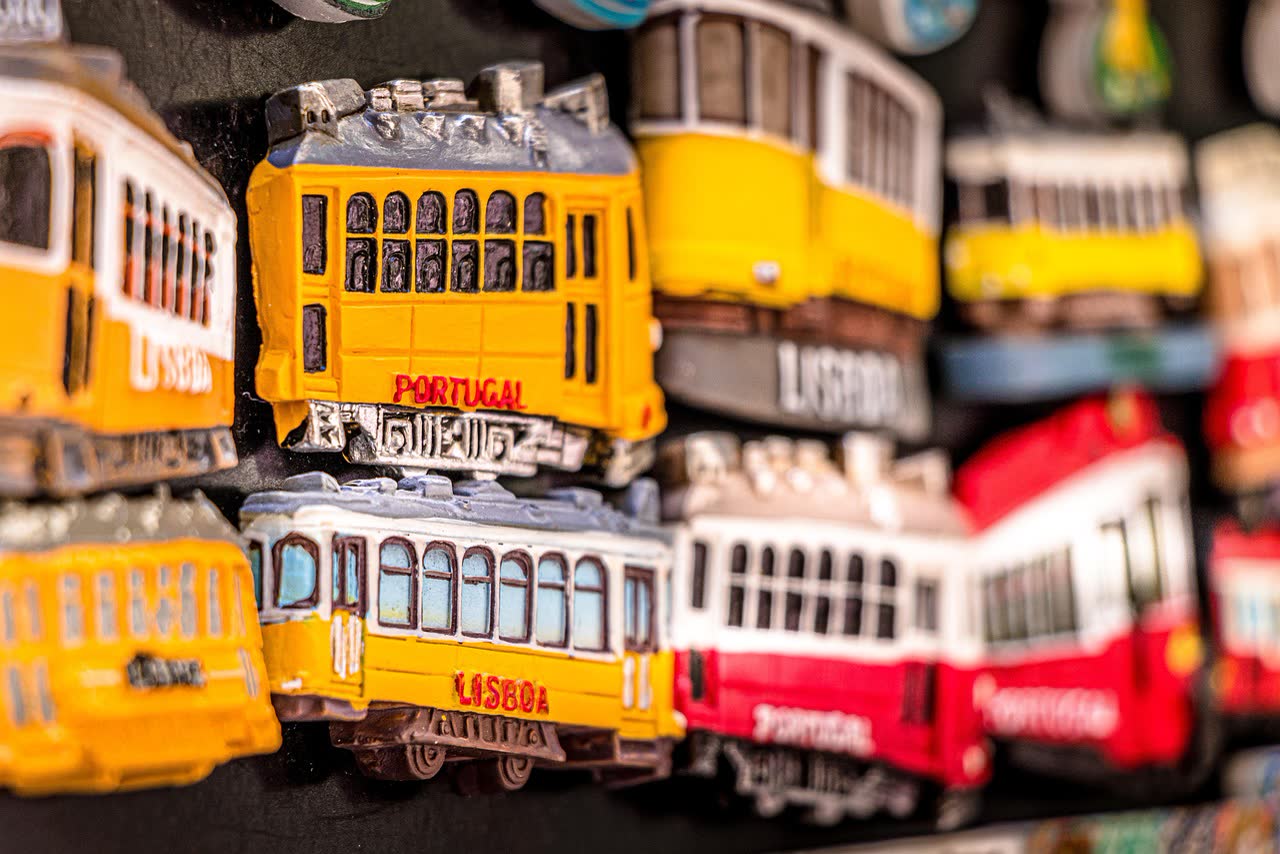
Portugal has some of the best souvenirs in Europe: beautiful ceramics, cork, tinned fish in gorgeous packaging, wine, olive oil and handmade crafts. Most of them are still made in the country, often by family firms that have been at it for generations. Here are the best things to buy in Portugal, and where to find them (skip the plastic magnets).
Quick answer: bring home tinned fish (sardines in retro packaging), port or a good bottle of wine, olive oil, hand-painted azulejo tiles or ceramics, cork goods, Bordallo Pinheiro cabbage-leaf pottery, Claus Porto soaps, and Burel wool from the mountains.
Food and drink
Edible souvenirs are the best value, and they don’t sit on a shelf gathering dust. Supermarkets often sell the same brands as tourist shops for a lot less.
- Tinned fish (conservas): sardines, mackerel, tuna and octopus in vintage-style tins. Shops dedicated to them line the streets of Lisbon and Porto, but supermarkets sell good ones for less. See Portuguese tinned fish.
- Port: a 10-year-old tawny or LBV costs far less here than abroad. See the port wine guide.
- Wine: great bottles from the Douro, Alentejo and Dão for a few euros. See Portugal’s wine regions.
- Madeira wine: a fortified wine that keeps for a long time once opened, so it travels well. See the Madeira wine guide.
- Olive oil: excellent and good value, especially from the Alentejo and Trás-os-Montes.
- Ginjinha: sour cherry liqueur from Óbidos and Lisbon, sometimes sold with little chocolate cups.
- Flor de sal: hand-harvested sea salt from the Algarve and Aveiro. It’s light, cheap and easy to pack.
- Sweets: ovos moles from Aveiro, or a box of pastéis de nata for the flight. See Portuguese desserts.
Crafts and design
- Azulejo tiles: new hand-painted tiles from workshops (never buy antique tiles of uncertain origin). A single tile or a house-number tile packs flat and light. See azulejos.
- Ceramics: from rustic Alentejo pottery to Bordallo Pinheiro’s cabbage-leaf plates. Rafael Bordallo Pinheiro started making them in Caldas da Rainha in 1884, and the factory shop is still there. See Caldas da Rainha.
- Porcelain: Vista Alegre has made fine porcelain in Ílhavo, near Aveiro, since 1824. Its shops are in most big cities.
- Cork: Portugal produces about half the world’s cork. Look for bags, wallets, hats, coasters and homeware. Better pieces feel smooth and flexible, not crumbly.
- Burel: thick, felted wool blankets and design pieces from the Serra da Estrela, where the cloth has been made for centuries. See Serra da Estrela.
- Claus Porto: beautifully wrapped soaps from Porto, made since the late 1800s.
- Filigree jewellery: delicate gold and silver work, especially Viana do Castelo’s gold hearts.
- Love handkerchiefs: lenços dos namorados from the Minho, linen squares embroidered with hearts, flowers and verses, once stitched by young women for their sweethearts.
- The Barcelos rooster: Portugal’s colourful good-luck symbol, best bought in Barcelos itself. See Barcelos.
- Estremoz clay figures: small hand-painted figurines of saints and village life, on UNESCO’s intangible heritage list since 2017. See Estremoz.
- Arraiolos rugs: hand-embroidered wool rugs from the Alentejo. Real ones are expensive because they take weeks to stitch.
- Linen and towels: from the north, especially around Guimarães and Valença.
Where to shop
Lisbon
- Chiado and Príncipe Real: design shops, ceramics and long-standing stores selling classic Portuguese brands. A Vida Portuguesa in Chiado gathers old Portuguese brands of soap, ceramics, stationery and tinned fish under one roof.
- Baixa: Conserveira de Lisboa on Rua dos Bacalhoeiros has sold its own tinned fish since 1930, in a shop that has barely changed.
- Shops with history: look for the city’s Lojas com História plaque, which marks old family shops.
- LX Factory: independent shops in an old industrial complex in Alcântara.
- Feira da Ladra: Lisbon’s flea market, held on Tuesdays and Saturdays at Campo de Santa Clara.
See Lisbon markets.
Porto
- Rua das Flores: a pedestrian street of craft and food shops.
- The Bolhão market: fresh food, tinned fish and local produce.
- Miguel Bombarda: galleries and design shops.
See shopping in Porto.
Markets around the country
- Barcelos: a big market every Thursday, with pottery, roosters, linen and basketwork.
- Ponte de Lima: a market by the river every other Monday. The town says it is the oldest documented market in Portugal, dating from 1125.
- Loulé: a Saturday market, plus a Moorish-style market hall in the centre.
- Supermarkets: for wine, olive oil and tinned fish at local prices.
What to avoid
- Antique tiles from street stalls: tiles are stolen from old buildings, and you can’t be sure where they came from.
- “Portuguese” items made elsewhere: check the label for “Made in Portugal” on cork and ceramics.
- Overpriced tins: a fancy tin in a themed shop can cost several times the supermarket price.
Tips
- Liquids: you can’t take wine or olive oil through security in your hand luggage. Pack them in checked luggage, wrapped well, or buy bottle protectors.
- Tax-free shopping: non-EU visitors can claim VAT back. The minimum is usually about €61.50 spent in one shop on one receipt. Ask for a tax-free form and get it validated at the airport before you leave the EU, within three months of the end of the month you bought the goods.
- Budget: a handful of tins, a bag of flor de sal and a bottle of port make a great gift set without spending much, especially if you buy them in a supermarket.
- Fragile items: many ceramic shops will wrap pieces for travel or ship them home.
- Check customs rules for food at home, especially for meat and cheese. Since April 2025, travellers to Great Britain can’t bring meat or dairy products from the EU in their luggage, so skip the cured ham and Serra cheese if you’re flying to the UK. Tinned fish, wine and olive oil are fine within the usual allowances.
FAQ
What is the most typical souvenir from Portugal?
Tinned sardines, port wine, azulejo tiles, cork goods and the Barcelos rooster are the classics. For something useful, choose olive oil or flor de sal.
Can you take wine home in your hand luggage?
Not through airport security, as bottles go over the liquids limit. Pack them well in checked luggage, or buy them in the duty-free shops after security.
Can you bring Portuguese cheese or ham back to the UK?
Not at the moment. Great Britain has banned personal imports of meat and dairy products from the EU since April 2025. Check the current rules before you fly.
More: things to know before visiting Portugal.
See also: shopping in Lisbon and tile-painting workshops in Lisbon.
Prices and details change, so please double-check before you travel. Spotted something out of date? Tell us in the groups.
Still got questions?
Ask 305,000+ travellers and locals in our free Facebook groups.