
Trip guides / Planning
Is Portugal Safe? Crime, Scams and Sea Safety
Portugal is one of the safest countries in the world to travel, consistently ranking near the top of global peace and safety indexes. Violent crime against visitors is rare. The main things to watch for are pickpockets in busy tourist spots, a few common scams, and the natural hazards of the Atlantic coast. Here’s what you need to know, from a family that lives here.
Quick answer: yes, Portugal is very safe. Watch your bags on tram 28, at viewpoints and in busy areas like Baixa and the Ribeira; ignore people offering “hashish” in Lisbon (it’s usually fake); don’t leave valuables in cars; and respect the sea and cliffs, which are the biggest real dangers. The emergency number is 112.
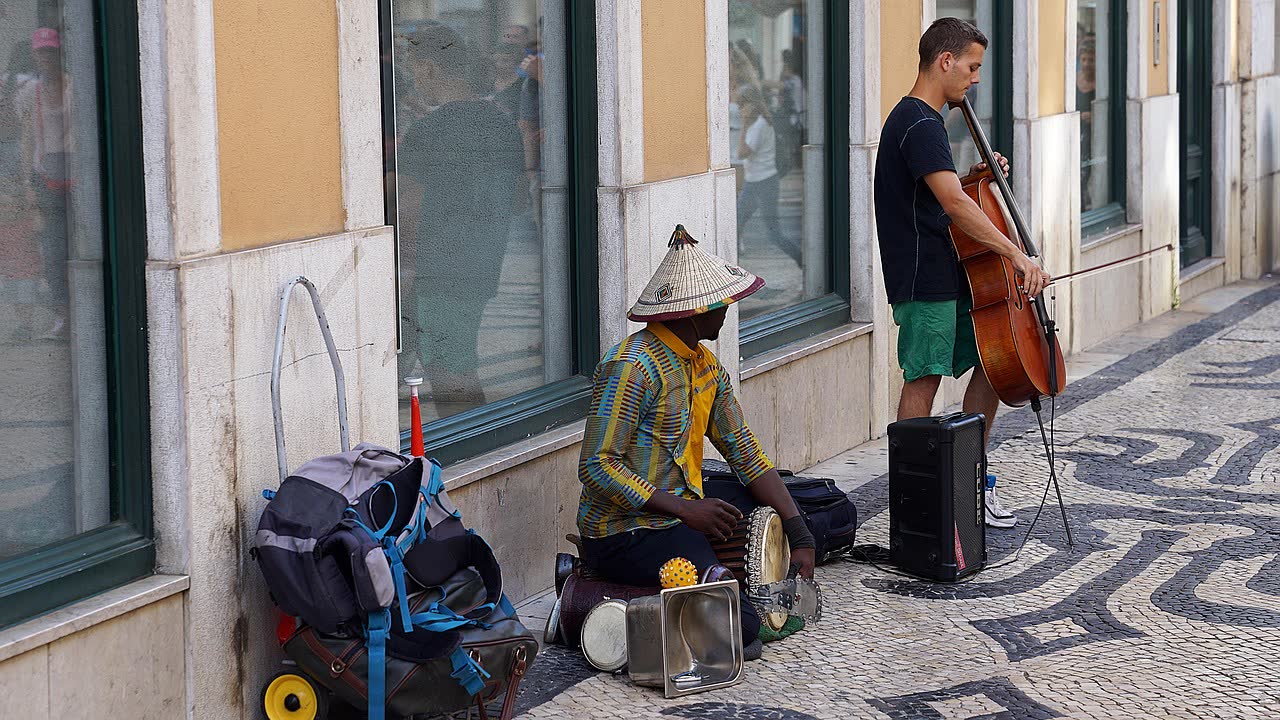
How safe is Portugal?
Very. Portugal came 7th out of 163 countries in the 2026 Global Peace Index, ahead of most of Europe. Families walk around late in the evening, children play in squares after dark, and most visitors never have a problem. Most issues tourists do have are petty theft and being overcharged, not anything dangerous. The sea is a bigger risk than crime, so read the natural hazards section too.
Crime
- Pickpocketing is the most common issue, on crowded trams (especially tram 28), at viewpoints, on the metro and in busy squares. Keep bags zipped and in front of you. Pickpockets often work in groups and target people boarding trams or distracted by a view.
- Phones on tables: don’t leave your phone on a café table on a busy terrace. It’s an easy grab.
- Car break-ins happen at beach and viewpoint car parks. Never leave valuables visible, and don’t leave luggage in the boot overnight.
- Violent crime against tourists is rare.
- At night, busy nightlife areas like Bairro Alto and Cais do Sodré are generally fine, but keep an eye on your belongings and drinks.
- If something is stolen, report it to the police (PSP in cities, GNR in rural areas) for your insurance. Visit Portugal lists Lisbon’s tourist police station at the cruise terminal by Jardim do Tabaco, but any station will take a report.
More detail: is Lisbon safe?
Nightlife rules
- Lisbon: since February 2026, no takeaway alcohol sales after 11pm Sunday to Thursday, or midnight on Fridays and Saturdays.
- Albufeira: since May 2026, bars close at 3am and clubs at 5am, and bad behaviour can mean fines of about €300 to €1,500.
Common scams
- Fake drugs: men in Baixa and Bairro Alto quietly offer “hashish” or cocaine. It’s usually bay leaves or flour, and buying drugs is illegal. Just keep walking.
- Restaurant couvert: bread, olives and butter brought to your table aren’t free. Send them back if you don’t want them.
- Dynamic currency conversion: always pay in euros at card machines and ATMs. Use bank ATMs (marked Multibanco) rather than the standalone cash machines in tourist areas, which tend to charge more. See money in Portugal.
- Unofficial taxis and tuk-tuks: agree prices first, or use apps. From 15 October 2026, taxis from Lisbon airport charge fixed fares, about €16 to €23 to the city. See Uber vs Bolt vs taxi.
- Fake ETIAS and EES websites: ETIAS hasn’t started yet (no start date is set, and it isn’t expected before 2027), and EES registration at the border is free. Never pay a website to “register” you. See entry requirements.
- Fake accommodation listings: book through well-known sites and never pay by bank transfer to a stranger.
Natural hazards
- The sea: the Atlantic has strong currents and big waves. Swim at lifeguarded beaches and respect the flags: green means swimming is allowed, yellow means paddle but don’t swim, and red means stay out of the water. A chequered flag means no lifeguard is on duty. Lifeguards mostly work during the summer bathing season, so many beaches are unsupervised the rest of the year.
- Waves on the rocks: people are swept off rocks, piers and sea walls every year, especially on the west coast in winter. Stay back in big seas.
- Cliffs: Algarve and west coast cliffs collapse without warning. Don’t sit beneath them or go near the edges. Some beach access is closed for safety; in 2026, the stairs to Praia do Camilo near Lagos were still closed. Obey the barriers.
- Wildfires: in summer, inland areas can be at high fire risk. Follow warnings and closures, and never light a barbecue or fire outdoors in fire season.
- Heat: inland temperatures can top 40°C in summer. Drink water and avoid the midday sun.
- Hiking: mountain weather in Madeira and the Azores changes fast; check trail status. Madeira’s official trails also need a booking.
Transport
- Public transport is safe and widely used, day and night.
- Lisbon funiculars: after a fatal accident in September 2025, the Glória, Bica and Lavra funiculars and the Santa Justa lift have been closed. The Graça funicular reopened in April 2026. See the Lisbon trams guide.
- Ride apps: Uber and Bolt work well in the cities and leave a record of your trip. Surge pricing has no cap since September 2026, so check the fare before you confirm.
Roads
Roads are generally good, but some local drivers can be fast and impatient. Drive defensively, especially on roundabouts and country roads. Mountain roads in Madeira and the north are steep and narrow, so take your time. See driving in Portugal.
For solo and female travellers
Portugal is a great destination for solo travellers, including women. The usual city common sense applies at night: stick to busy, well-lit streets, and use an app ride home late at night. Hostels are friendly and social. See the best hostels in Lisbon and Portugal solo travel.
Health
- Tap water is safe to drink. See is tap water safe in Portugal?
- Pharmacies (green cross) are excellent for minor issues. Each town has a duty pharmacy (farmácia de serviço) open late, listed on pharmacy doors.
- Health advice line: SNS 24 (808 24 24 24) gives medical advice by phone and can tell you where to go.
- Healthcare: bring travel insurance (and a GHIC or EHIC if you have one).
- Emergencies: call 112.
Quick safety checklist
- Keep bags zipped and in front of you on trams and in crowds.
- Don’t leave anything on show in a parked car.
- Pay in euros, and use bank ATMs.
- Swim only at lifeguarded beaches, and keep away from cliff edges.
- Save 112 in your phone.
FAQ
Is Lisbon safe at night?
Generally, yes. Bairro Alto and Cais do Sodré stay lively late; just watch for pickpockets and keep an eye on your drink.
What is the emergency number in Portugal?
112 for police, ambulance and fire. For non-urgent medical advice, call SNS 24 on 808 24 24 24.
Is it safe to swim in the sea in Portugal?
At lifeguarded beaches in the bathing season, yes, if you follow the flags. Avoid unsupervised beaches and rough seas.
Travel insurance: an EHIC or GHIC only covers state healthcare. It won’t pay for private clinics, mountain or sea rescue, a flight home or a cancelled trip, so take out travel insurance before you go. EKTA sells short-trip cover online in a few minutes; compare the medical limits and check it’s available where you live.
More: things to know before visiting Portugal and the Portugal packing list.
See also: LGBTQ+ travel in Portugal, healthcare for tourists, Is Porto safe? and travel insurance for Portugal.
Some links in this guide are affiliate or referral links (GetYourGuide, Booking.com, Discover Cars, Welcome Pickups, Airalo, Yesim, Saily, Tiqets, Radical Storage, EKTA, AirHelp, Uber). If you book or sign up through them we may earn a small commission or ride credit at no extra cost to you. It helps keep our groups and this site free.
Still got questions?
Ask 305,000+ travellers and locals in our free Facebook groups.