
Tile-Painting Workshops in Lisbon
Azulejos, the painted ceramic tiles that cover Lisbon’s churches, façades and stations, are one of Portugal’s great art forms. A tile-painting workshop lets you learn the techniques and paint your own tile to take home. It’s a perfect rainy-day activity and a unique souvenir.
Quick answer: workshops usually last 2 to 3 hours, run in small groups, and include materials, a short history of azulejos and firing in a kiln. Some let you collect your tile the next day, while others ship it. No experience is needed, and they’re suitable for older kids. See tile-painting workshops in Lisbon.
Why do a workshop
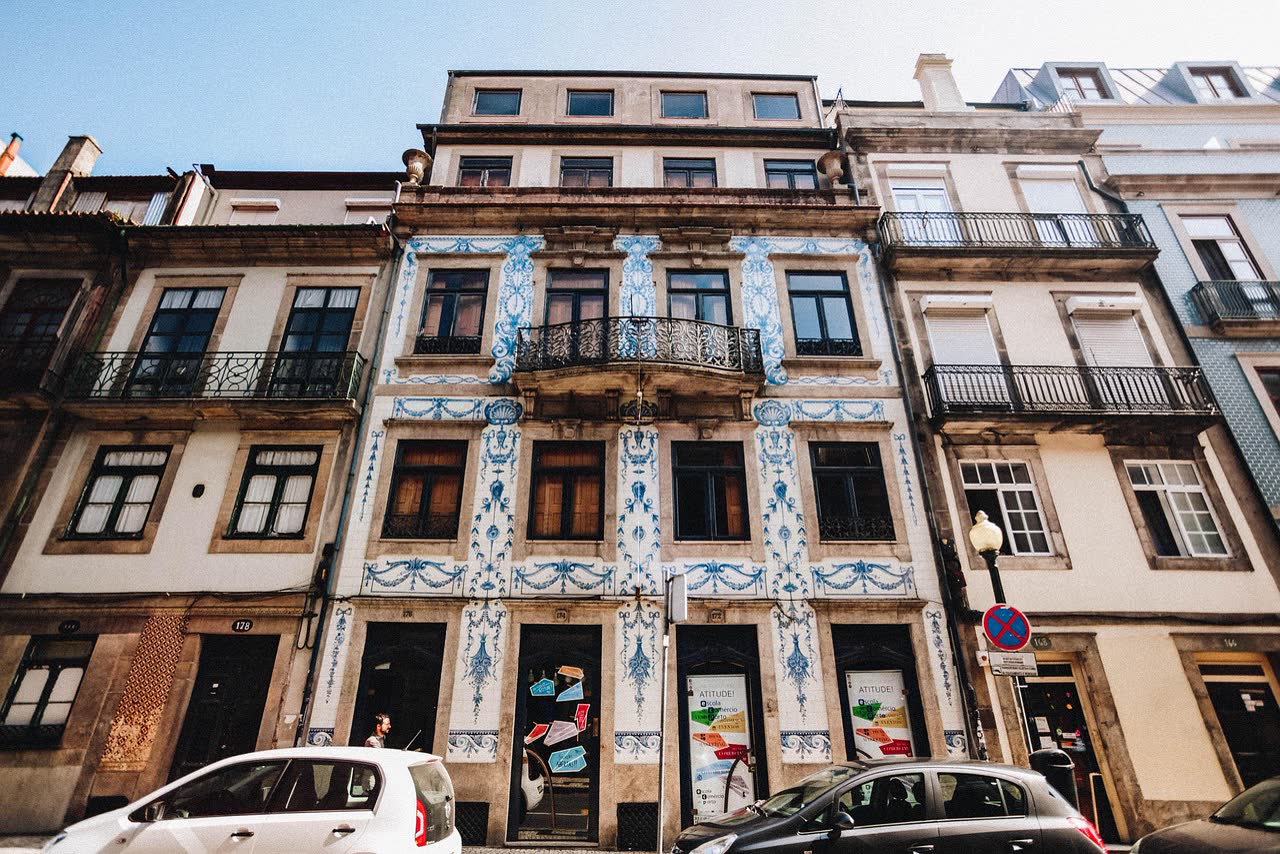
Once you start looking, you see tiles everywhere in Lisbon: on house fronts, in church interiors, on park benches and in metro stations. Painting one yourself shows you how much skill goes into them. It’s relaxed, sociable and indoors, and you leave with a souvenir nobody else has.
It also suits people who don’t usually do “arty” things. You don’t need to draw well. Stencils and simple patterns do most of the work, and the teacher shows you each step. Couples, friends, solo travellers and families all tend to enjoy it.
A short history of azulejos
The word azulejo is usually traced to an Arabic word for a small polished stone, not to azul, the Portuguese for blue. Portugal’s first decorative tiles came from Seville in the early 16th century and had raised, geometric Moorish patterns. You can still see some of these early tiles at the National Palace in Sintra.
Portuguese workshops soon started making their own. By the late 17th century, blue-and-white picture panels were in fashion, showing hunting scenes, saints and city views. After the 1755 earthquake, Lisbon was rebuilt fast and cheaply, and simple patterned tiles became a practical way to protect and decorate the new buildings. In the 19th century, tiled house fronts spread across the city. Artists still design tiles today, including for metro stations.
What a workshop involves
Most workshops are run by local ceramic artists in a small studio. The format is usually similar.
- A short history: how the Moors brought tile-making to Iberia, how geometric patterns gave way to the blue-and-white picture panels of the 17th and 18th centuries, and how tiles came to cover whole buildings after the 1755 earthquake.
- Choosing a design: you can copy a traditional pattern, use a stencil, or draw your own idea. Many studios have examples to work from.
- Transferring the design: some studios use the traditional method of pouncing charcoal dust through a pricked paper stencil to mark the outline.
- Painting: you paint with mineral pigments onto a tile coated in a raw white glaze. This is the majolica technique. The glaze soaks up paint fast, so you can’t easily rub out mistakes, which is part of the challenge.
- Firing: the studio fires your tile in a kiln at a high temperature. The dull, powdery colours turn bright and glossy, and the design is fixed for good.
Tips for a better tile
- Keep it simple: bold shapes and a clear outline look better after firing than tiny detail.
- Load the brush: thin, dry strokes can look patchy. The teacher will show you how much pigment to use.
- Practise first: most studios give you scrap paper or a test tile. Use it.
- Stick to one or two colours: cobalt blue on white is the classic Lisbon look and is the most forgiving.
How long it takes
Expect about 2 to 3 hours for the class itself. Firing and cooling take extra time, often a day or more, so you won’t usually walk out with your finished tile.
What you take home
- Your tile: usually one tile per person, about the size of a traditional wall tile. Some workshops let you paint more for an extra charge.
- Collection or shipping: you either go back to the studio once it’s fired, or it’s posted to you or your hotel. Check which before you book.
- The skills: you’ll look at Lisbon’s tiled walls with new eyes.
Booking tips
- Timing: book early in your trip so there’s time for firing and collection.
- Packing: tiles are heavy and can chip. Wrap yours in clothes in your hold luggage, or choose a workshop that ships.
- Kids: check the minimum age. Younger children may find the slow, careful painting hard.
- Clothes: pigments can stain, so don’t wear your best top. Most studios provide aprons.
- Group size: smaller groups mean more help from the teacher.
- Location: check the address and plan your transport. See Lisbon public transport.
- Price: prices vary with group size, how many tiles you paint and whether shipping is included. Compare what’s included, not just the headline price.
- Language: most workshops aimed at visitors run in English. Check if you need another language.
See azulejos in Lisbon
Look for tiles on façades in Alfama and the Graça viewpoints, in churches and in metro stations. The National Tile Museum, in a former convent in the east of the city (closed for restoration since November 2025, so check whether it has reopened), has the best collection, including a long panel showing Lisbon before the 1755 earthquake. It’s a good visit before or after your class. See azulejos in Portugal, Lisbon’s churches and the best museums in Lisbon.
- São Vicente de Fora: the monastery cloisters have blue-and-white panels, including a series illustrating La Fontaine’s fables.
- Largo do Intendente: the old Viúva Lamego tile factory building has a fully tiled front, a short walk from Mouraria. See Mouraria.
- House fronts: walk any older street in Alfama, Graça or Campo de Ourique and look up. Many buildings have patterned tiles from the 19th century.
FAQ
Do I need any art skills for a tile workshop?
No. Most workshops are designed for beginners, and you can use stencils or traditional patterns. The teacher guides you through each step.
Can I take my tile home the same day?
Usually not. The tile has to be fired in a kiln and cooled, which often takes a day or more, so you either collect it later or have it shipped.
Are tile workshops suitable for children?
Many are fine for older children who can concentrate for a couple of hours. Check the minimum age when you book.
Can I take a tile in my hand luggage?
A ceramic tile is generally fine in hand luggage, but it’s heavy and can chip. Wrap it well, or choose a workshop that ships it to you.
More: Lisbon on a rainy day, shopping in Lisbon and the best tours in Lisbon.
See also: the Fronteira Palace.
Some links in this guide are affiliate or referral links (GetYourGuide, Booking.com, Discover Cars, Welcome Pickups, Airalo, Yesim, Saily, Tiqets, Radical Storage, EKTA, AirHelp, Uber). If you book or sign up through them we may earn a small commission or ride credit at no extra cost to you. It helps keep our groups and this site free.
Still got questions?
Ask 305,000+ travellers and locals in our free Facebook groups.