
Trip guides / Day trips
Serra da Estrela: Portugal's Highest Mountains
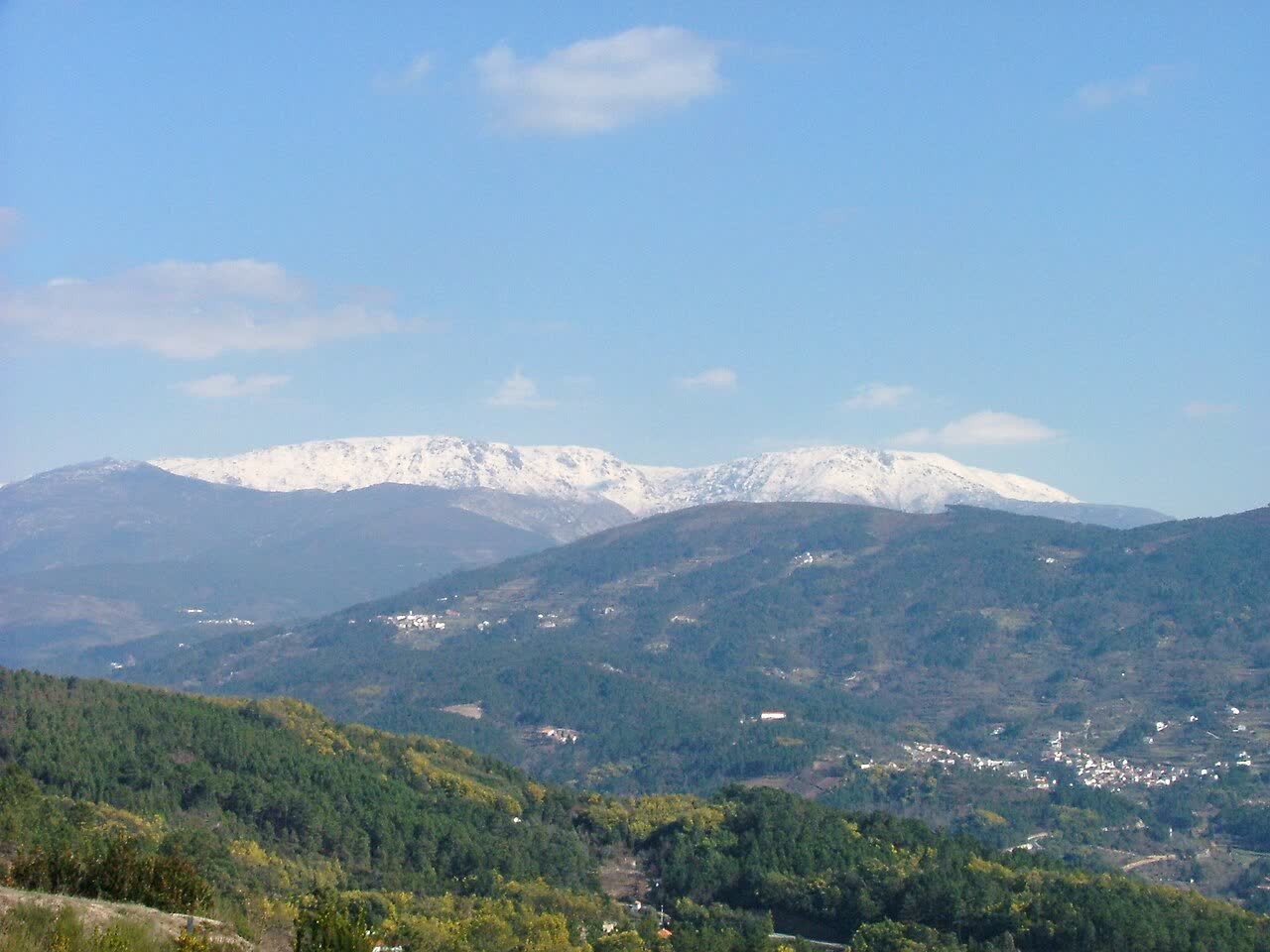
Serra da Estrela is mainland Portugal’s highest mountain range, and a complete surprise to most visitors: glacial valleys, granite peaks, waterfalls, wool mills, the country’s most famous cheese, and in winter, snow and even a ski resort. It’s about 3 hours from Lisbon or 2 hours from Porto.
Quick answer: drive up to Torre (1,993m, the highest point in mainland Portugal), walk the Zêzere glacial valley from Manteigas, see the Covão d’Ametade and Poço do Inferno waterfall, and eat Queijo Serra da Estrela. In winter, ski from about mid-December, once there’s enough snow, into March or even April (an adult day pass is €30, or €60 with rental, sold online only). Stay in Manteigas or Penhas da Saúde.

Why go
This is a side of Portugal few visitors expect. The range is a natural park and, since 2020, a UNESCO Global Geopark, recognised for the marks left by Ice Age glaciers. In summer it’s a cool escape for walking and lake swimming; in winter it’s the only place in the country where you can reliably see snow. Add shepherding traditions, wool and cheese, and it makes a rewarding two or three days.
Getting there
- Car: the easiest option. Allow about 3 hours from Lisbon and 2 hours from Porto to the edge of the range, via the A23 or A25. Both have been toll-free since 2025, but the A1 from Lisbon or Porto is tolled. The mountain roads are slow and winding, so add time. See driving in Portugal.
- Train: CP Intercidades trains on the Beira Baixa line run from Lisbon to Covilhã and Guarda. Storm damage meant replacement buses for much of 2026, but trains on the full line resumed on 20 September 2026. From the station you’ll need a taxi, a tour or a hire car to reach the high plateau.
- Bus: Rede Expressos coaches serve Covilhã, Seia, Gouveia and Guarda. Local buses into the mountains are limited.
Things to do
Torre
The highest point in mainland Portugal, at 1,993 metres, with a road to the top, big views and a stone tower that makes it “2,000 metres”. There are shops selling cheese, wool and smoked meats at the summit. Snow is common in winter. After heavy snowfall the authorities close the roads up to Torre from Covilhã, Seia and Manteigas, sometimes for days, so check road news before you set off.
The Zêzere glacial valley
A spectacular U-shaped valley carved by ice, running from the high plateau down to Manteigas. Drive or hike it, stopping at Covão d’Ametade, a peaceful picnic spot with birch trees near the source of the Zêzere river. Allow at least two hours with stops.
Poço do Inferno
A waterfall in a granite gorge near Manteigas, especially beautiful in spring and in winter when it sometimes freezes. It’s a short walk from the road.
Lakes and the plateau
The high plateau is dotted with glacial lagoons and reservoirs, such as the Lagoa Comprida, with granite boulders shaped by ice and wind. In summer, some lakes are popular for a cold swim.
Hiking
Marked trails crisscross the natural park, from short walks to lagoons to full-day hikes across the plateau. Bring layers: the weather changes fast at altitude. Fog can roll in quickly, so carry a map or offline app. Wildfires, above all in August 2022, burned large parts of the park, so some slopes are still recovering. See hiking in Portugal.
Skiing
Portugal’s only ski resort, near Torre, officially opens in mid-December but only once there’s enough snow (in 2023–24 not until January), and it can run into April. It’s small, with about 6.5km of marked runs plus some natural runs, but fun. An adult day pass costs €30 (€60 with rental), bought online in advance and booked for a date. See our skiing guide. Check conditions and prices before you go. See Serra da Estrela tours.
Wool and cheese
- Burel: the traditional mountain wool, revived by a mill in Manteigas that makes beautiful blankets and design pieces.
- Queijo Serra da Estrela: a soft, buttery sheep’s cheese (DOP), so creamy you spoon it out of the rind. Best in winter and spring. See our Portuguese cheese guide.
- Wool museum in Covilhã: the university’s museum tells the story of the town’s wool industry.
- Museu do Pão (Bread Museum) in Seia: fun with kids.
How long to spend
One long day lets you drive over Torre and down the Zêzere valley. Two or three days give you time for a proper hike, a cheese tasting and a slower look at the towns.
A one-day driving route
- Morning: start in Seia or Covilhã and drive up to Torre for the views.
- Midday: descend into the Zêzere valley, with a picnic at Covão d’Ametade.
- Afternoon: coffee and cake in Manteigas, the Burel mill, then Poço do Inferno.
Food
Mountain food is hearty. Look for the local cheese, requeijão (a fresh whey cheese), cured sausages, roast kid and lamb, and bean stews. Pair it with a red from the Dão region, just to the west.
Towns
- Manteigas: a pretty town in the glacial valley, the best base for walkers. Places to stay
- Penhas da Saúde: a mountain village near the ski slopes. Places to stay
- Covilhã: a university town with a wool museum, on the eastern slopes. Its old centre has dozens of murals from the WOOL street art festival, held since 2011. Places to stay
- Seia: on the western side, with museums. Places to stay
Where to stay
- Casa das Penhas Douradas (Burel Mountain Hotels): a beautifully designed mountain hotel with a pool and spa, high above Manteigas.
- INATEL Manteigas: good value in the valley town.
- Hotel Serra da Estrela (formerly Luna): at Penhas da Saúde, close to the ski area.
- Chalés da Montanha: mountain chalets, great for families.
When to go
- Spring: waterfalls at their fullest and wild flowers on the slopes.
- Summer: the best hiking weather on the plateau, but busy in August.
- Autumn: golden colours in the valleys and quieter roads.
- Winter: snow, skiing and cheese season, but expect road closures after heavy snowfall.
Tips
- You need a car to explore. In winter, check road conditions, as roads to Torre may close for snow.
- Pack warm: it can be cold up high even in summer evenings.
- Fuel up in the towns before heading onto the plateau.
- Combine with the historic villages (Monsanto, Belmonte, Sortelha) nearby.
FAQ
Does it snow in Serra da Estrela?
Yes. Snow usually falls on the high plateau around Torre between December and March, though some winters are thin. It is the most reliable place for snow in mainland Portugal.
Can you drive to the top of Torre?
Yes. Roads climb to the summit from Covilhã, Seia and Manteigas, but they close after heavy snow, so check before you go in winter.
How much does skiing cost in Serra da Estrela?
An adult day pass is €30 and a child’s (up to 12) €20, or €60 and €50 with rental. Passes are sold online only, so buy and book your date before you go.
Can you visit without a car?
Only partly. Trains and coaches reach Covilhã and Guarda, but buses up the mountain are rare, so book a tour or a taxi for Torre and the valley.
More: Portugal road trip and Portugal in winter.
See also: Piódão, Guarda, Viseu and the Schist Villages.
Some links in this guide are affiliate or referral links (GetYourGuide, Booking.com, Discover Cars, Welcome Pickups, Airalo, Yesim, Saily, Tiqets, Radical Storage, EKTA, AirHelp, Uber). If you book or sign up through them we may earn a small commission or ride credit at no extra cost to you. It helps keep our groups and this site free.
Still got questions?
Ask 305,000+ travellers and locals in our free Facebook groups.