
Trip guides / Planning
Azulejos: Portugal's Painted Tiles and Where to See Them
Azulejos, the painted ceramic tiles that cover Portuguese churches, stations, palaces and ordinary houses, are one of the country’s great art forms. They keep buildings cool, protect walls from rain and tell stories in pictures. Once you start noticing them, you’ll see them everywhere. Here’s a short guide to azulejos and the best places to see them.
Quick answer: the best places to see azulejos are São Bento station and the Capela das Almas in Porto, the Palácio Fronteira and countless facades in Lisbon, the Sintra National Palace, and the churches of the Algarve like São Lourenço in Almancil. Lisbon’s National Tile Museum has been closed for restoration since November 2025, so check before you plan around it.
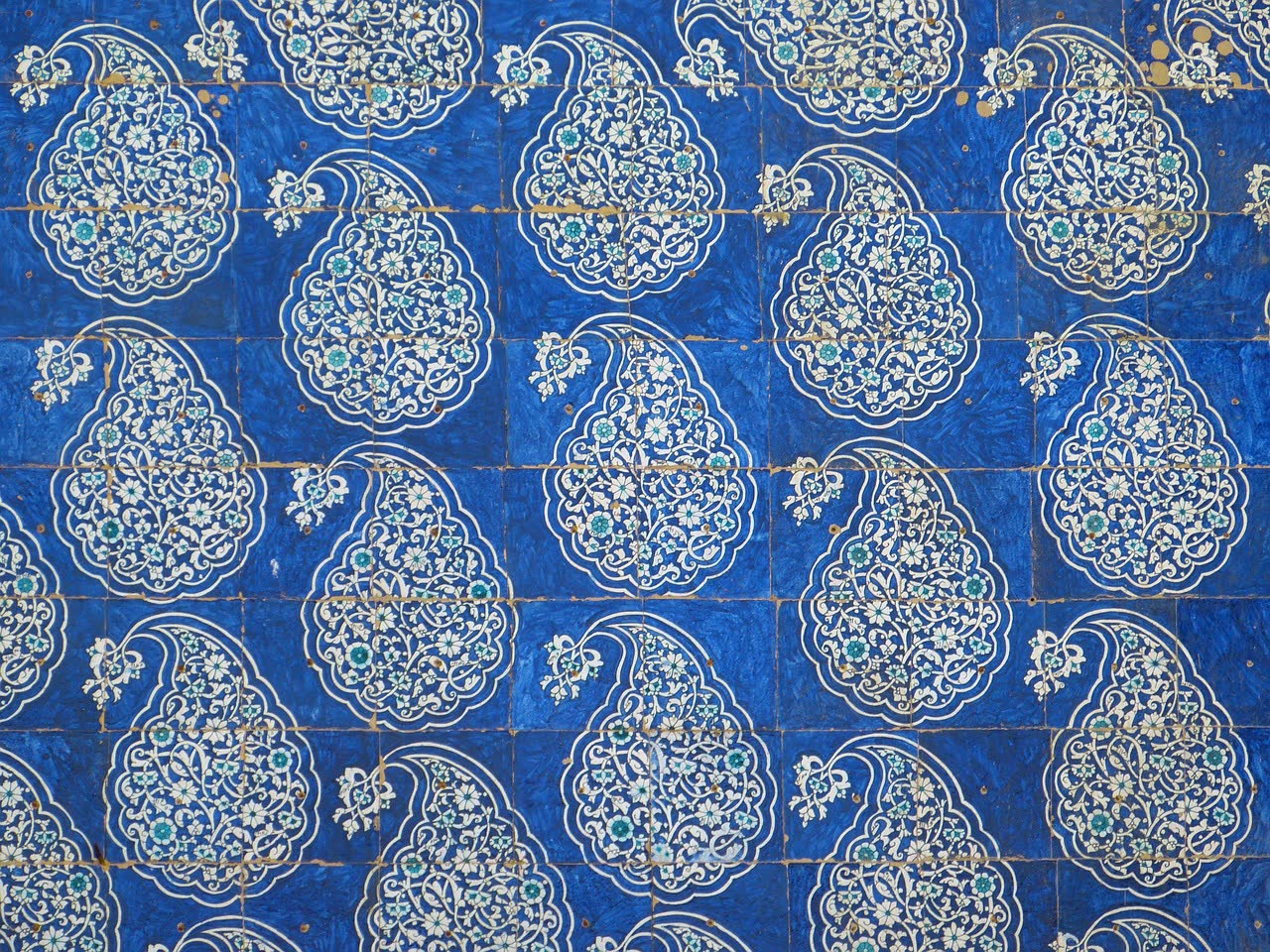
A short history
- Moorish roots: the word comes from the Arabic al-zulayj, “polished stone”. Portugal began importing patterned tiles from Spain in the 15th and 16th centuries.
- Blue and white: inspired by Chinese porcelain and Dutch tiles, blue-and-white picture panels became fashionable in the 17th and 18th centuries, telling stories of saints, battles and daily life.
- After the 1755 earthquake, mass-produced patterned tiles helped rebuild Lisbon quickly.
- 19th and 20th centuries: tiled facades spread across Lisbon, Porto and Aveiro, and Art Nouveau and Art Deco tiles appeared.
- Today: contemporary artists still use tiles, including in metro stations.
How to read a tile panel
- Patterned tiles repeat a design across a wall. You’ll see them on house fronts.
- Picture panels (painéis) use many tiles to make one big scene, often with a decorative border.
- Relief tiles have a raised pattern you can feel, common on 19th-century facades.
- Look at the edges: panels often include a date or the name of the factory or painter in a corner.
Where to see them
Porto
- São Bento station: about 20,000 tiles by Jorge Colaço, put up between 1905 and 1916 and covering some 550 square metres of the entrance hall. They show battles, royal events and country life. Free, and 15 to 20 minutes is enough. See São Bento station.
- Capela das Almas: a small chapel on Rua de Santa Catarina whose outside walls are covered with almost 16,000 tiles. They were added in 1929, designed by Eduardo Leite in an 18th-century style, and show the lives of St Francis of Assisi and St Catherine. You can see the outside for free at any time.
- Igreja do Carmo: a huge tiled panel on its side wall, dated 1912 and showing the founding of the Carmelite order. It’s best seen from the street by the Carmo tram stop.
- The cathedral cloister: 18th-century blue-and-white panels. There’s a small fee to enter the cloister.
Allow two or three hours to see these on foot, as they’re all in the centre. See Porto’s best photo spots.
Lisbon
- Facades everywhere, especially in Alfama, Mouraria, Príncipe Real and around Largo do Intendente. On the Largo, look for the old Viúva Lamego factory building, its front covered in tiles in 1865.
- Miradouro de Santa Luzia: tiled panels of old Lisbon, including a view of Praça do Comércio before the earthquake.
- São Vicente de Fora: the monastery’s cloisters are lined with 18th-century blue-and-white panels, plus a series of 38 panels illustrating La Fontaine’s fables. It’s open daily; allow about an hour. See Graça.
- Palácio Fronteira: a 17th-century palace in Benfica with some of the finest tile gardens in Portugal, including a gallery of royal busts above a long tiled water tank. The family still lives there, so the interior is shown on guided tours only, several times a day from Monday to Saturday (closed Sundays). Expect about €17 with the gardens, or €8 for the gardens alone. Check times and book ahead.
- Metro stations: contemporary tile art in many stations. Maria Keil designed the panels for most of the first stations, opened in 1959.
- The National Tile Museum (Museu Nacional do Azulejo), in the old Madre de Deus convent, has been closed for restoration since November 2025. Reopening was planned for the second half of 2026, but no date had been confirmed, so check before you go.
Elsewhere
- Sintra National Palace: some of the oldest tiles in Portugal. King Manuel I had many rooms lined with tiles made in Seville around 1500, and the palace holds the country’s largest set of Mudéjar tiles, including in its Arab Room. See Sintra National Palace.
- São Lourenço, Almancil (Algarve): a small church entirely lined with blue-and-white tiles showing the life of St Lawrence, painted in the 1730s by Policarpo de Oliveira Bernardes. There’s a small entry fee, and it closes during services. It’s a short drive from Faro.
- Aveiro: Art Nouveau tiled houses, and an old railway station covered with 1910s panels of the lagoon and its fishermen. It’s about an hour by train from Porto. See Aveiro.
- Pinhão station (Douro): 24 tile panels, put up in 1937, showing the wine harvest, rabelo boats and the river. See Pinhão.
Buying tiles
- Antique tiles: buy only from reputable dealers. Tile theft from old buildings is a real problem, and taking tiles from buildings is illegal.
- New hand-painted tiles make great souvenirs and are sold in workshops and shops across Lisbon and Porto. Fábrica Sant’Anna, founded in 1741 and the oldest tile factory in Portugal, still paints by hand and has a shop on Rua do Alecrim in Chiado.
- Flea markets: the Feira da Ladra in Lisbon has old tiles, but be careful about where they came from.
- Paint your own: several workshops run short classes where you paint a tile, and it’s fired and ready a day or two later.
- The law: since 2017, stripping tiles from a facade needs council permission.
Practical tips
- Look up: some of the best facades are on upper floors, so walk slowly in old neighbourhoods.
- Light: glazed tiles reflect strong sun, so photos often work better in the morning or late afternoon.
- Churches: many close at lunchtime and during services. Cover your shoulders and keep quiet inside.
- Don’t touch: loose tiles on old walls are fragile, so never pick at them.
FAQ
Is the National Tile Museum in Lisbon open?
It has been closed for restoration works since November 2025. Reopening was planned for the second half of 2026, so check the museum’s website for a confirmed date before you go.
Where can I see azulejos for free?
São Bento station, the outside of the Capela das Almas and the Igreja do Carmo panel in Porto are all free. So are Lisbon’s tiled facades and the panels at the Miradouro de Santa Luzia. Palaces, cloisters and the Almancil church charge for entry.
Is it legal to buy antique tiles?
Yes, from reputable dealers who can tell you where the tiles came from. Stolen tiles do turn up at markets, so avoid anything without a clear history.
More: things to do in Lisbon and things to do in Porto.
See also: tile-painting workshops in Lisbon, the Fronteira Palace, São Vicente de Fora and the Igreja do Carmo.
Prices and details change, so please double-check before you travel. Spotted something out of date? Tell us in the groups.
Still got questions?
Ask 305,000+ travellers and locals in our free Facebook groups.