
Trip guides / Costa Vicentina
Porto Covo: The Alentejo's Prettiest Coastal Village
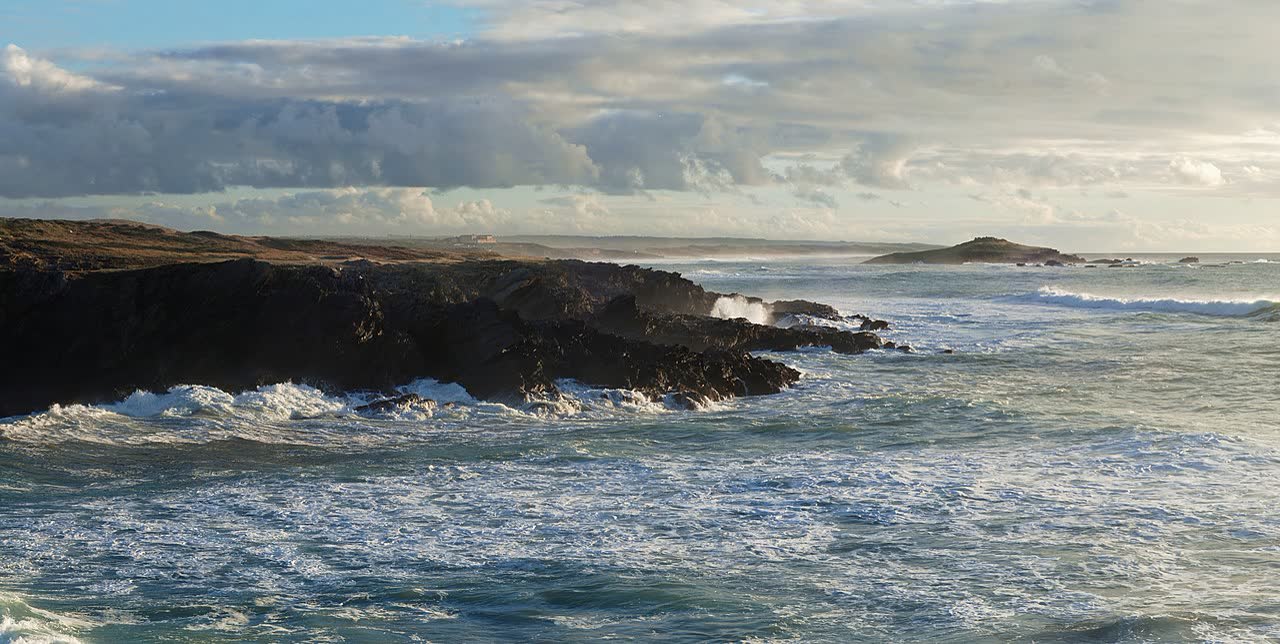
Porto Covo is a picture-perfect whitewashed village on the Alentejo coast, with a pretty main square, small coves tucked into dark cliffs, and the island of Pessegueiro offshore with its fort ruins. It’s the end of the first stage of the Fishermen’s Trail, which begins a short way north at São Torpes.
Quick answer: Porto Covo is about 2 hours south of Lisbon by car. Wander the white-and-blue village, swim in the sheltered coves, walk to the beach facing Ilha do Pessegueiro, and start the Fishermen’s Trail south to Milfontes. See places to stay in Porto Covo.

Why go
Porto Covo is small enough to walk round in an hour, but it sits on one of the wildest stretches of coast in Europe. The village is the northern gateway to the protected Southwest Alentejo and Vicentine Coast Natural Park. You get clean beaches, cliff walks and good fish, without the high-rise building you find further south in the Algarve.
Things to do
- The village: low white houses with blue trim around a central square, Largo Marquês de Pombal. The planned layout dates from the late 18th century, when the Lisbon businessman Jacinto Fernandes Bandeira rebuilt what was then a tiny hamlet of a few houses. He laid it out on a neat grid inspired by Lisbon’s rebuilt Baixa, and later became Baron of Porto Covo. Allow an hour to stroll, have a coffee and look at the church.
- The coves: small beaches among the rocks, right below the village. Praia Grande is the main one, reached by steps from the clifftop. Others are tucked into gaps in the dark schist cliffs a short walk either side, such as the small, sheltered Praia dos Buizinhos.
- Praia da Samoqueira: just north of the village, a sandy beach below the cliffs with rocks that form natural pools at low tide. It is one of the prettiest beaches on this coast, so arrive early in summer.
- Ilha do Pessegueiro: a small island about 300 metres offshore, with the ruins of a star-shaped fort begun in the late 16th century and the remains of Roman fish-salting tanks. Opposite it, on the mainland, stands a second fort, Forte de Nossa Senhora da Queimada. The beach between them, Praia da Ilha do Pessegueiro, is a few kilometres south of the village and makes a good walk or short drive. The island itself is a bird nesting site, and boat trips there are seasonal, so check locally.
- The Fishermen’s Trail: the stage from Porto Covo runs about 20 km south to Vila Nova de Milfontes and takes around six hours. Much of it is on loose sand past the long beaches of Aivados and Malhão, so it is harder than it looks. For a taste, walk the first hour to Pessegueiro and back. See Costa Vicentina and hiking in Portugal.
- Seafood: grilled fish and percebes (goose barnacles), a local delicacy picked from the rocks.
Getting there
- By car: Porto Covo is about 170 km south of Lisbon. Allow roughly 1 hour 45 minutes to 2 hours via the A2 and the road through Sines. There is parking at the edge of the village and above the main beaches, but it fills up in August.
- By bus: Rede Expressos runs direct coaches from Lisbon (Sete Rios) to a stop by the village market. The trip usually takes just over two hours. Book ahead in summer.
- No train: there is no railway on this part of the coast. See Portugal by bus.
How long to spend
A day trip works, but one or two nights let you enjoy the quiet evenings and an early walk. A simple one-day plan: morning coffee on the square and a swim in the coves, lunch in the village, then an afternoon walk or drive to Pessegueiro beach for the view of the island at sunset.
With two or three days, add the walk to Samoqueira, a trip to Sines, and the first stage of the Fishermen’s Trail to Milfontes. You can come back by bus or taxi, but check times in advance.
Food
- Fish and shellfish: grilled sea bass and bream, fish stew (caldeirada) and seafood rice are on most menus.
- Percebes: boiled and eaten by twisting off the shell. Prices change with the catch.
- Alentejo dishes: inland favourites such as pork and clams turn up too. See Alentejo food.
Nearby
- Vila Nova de Milfontes: see Milfontes.
- Sines: Vasco da Gama’s birthplace, with a castle.
- Comporta: see Comporta.
When to go
- July: the Festival Músicas do Mundo, a world music festival, usually opens with a few days of concerts in Porto Covo in the second half of July before moving to Sines. In 2026 it ran from 17 to 25 July. See Portugal’s festival calendar.
- August: very busy. The village festival in honour of Nossa Senhora da Soledade, the patron saint, is usually held at the end of the month, with a procession and music.
- Spring and September: ideal, with warm days, wild flowers on the cliffs in spring, and fewer people.
- Winter: quiet, with some restaurants closed, but good for walking.
Tips
- Water: cold and sometimes rough. Choose sheltered coves and swim where there are lifeguards.
- Wind: afternoons can be breezy, so bring a layer even in summer.
- Cliffs: stay back from the edges, which can crumble.
- Tides: some coves almost disappear at high tide, so check tide times before you settle in.
FAQ
Can you visit Porto Covo as a day trip from Lisbon?
Yes. It is about two hours by car or just over two hours by direct coach. A night or two is more relaxing, especially if you want to walk part of the trail.
Can you go to Ilha do Pessegueiro?
Boat trips to the island are seasonal and not always running, so ask locally. Most people enjoy the view of it from the beach and the mainland fort.
Is the sea warm enough to swim?
The Atlantic here is cool even in summer, and it can be rough. The sheltered coves are the best places to swim, ideally where lifeguards are on duty.
How hard is the walk from Porto Covo to Milfontes?
It is about 20 km and takes most of a day. It is mostly flat, but long stretches of soft sand make it tiring.
More: the most beautiful small towns and Portugal’s hidden gems.
See also: Zambujeira do Mar and the best Alentejo beaches.
Some links in this guide are affiliate or referral links (GetYourGuide, Booking.com, Discover Cars, Welcome Pickups, Airalo, Yesim, Saily, Tiqets, Radical Storage, EKTA, AirHelp, Uber). If you book or sign up through them we may earn a small commission or ride credit at no extra cost to you. It helps keep our groups and this site free.
Still got questions?
Ask 305,000+ travellers and locals in our free Facebook groups.