
The Best Time to Visit the Azores
The Azores have a mild climate all year, but the weather is famously changeable: sunshine, cloud and rain can all happen in one afternoon. The best time to visit depends on what you want to do, from whale watching and hiking to hydrangeas, hot springs and island hopping. This guide covers every season, including what summer and winter are really like.
Quick answer: June to September is the best time for most visitors, with the warmest, most settled weather (around 22 to 26°C), calmer seas, more ferries between the islands and hydrangeas in bloom. April to May is great for whale watching, including migrating baleen whales, with fewer crowds. Winter is mild (around 14 to 18°C) but wet and windy, with fewer flights and ferries. It’s fine for hot springs and cheap prices.
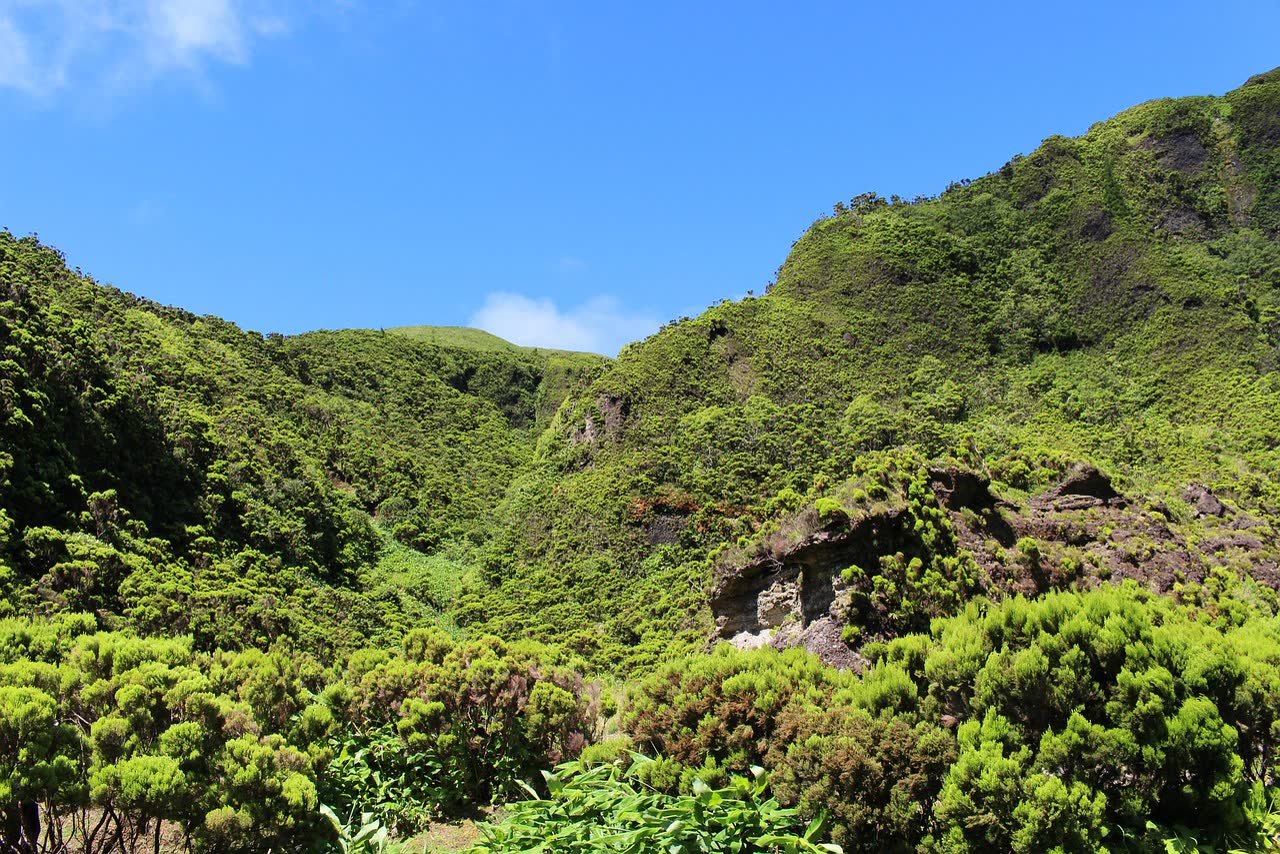
Why timing matters in the Azores
The islands sit in the middle of the Atlantic, so the temperature barely changes through the year, but cloud, wind and sea conditions do. That matters more than the thermometer. A clear day decides whether you see the crater lakes or a wall of fog, and a calm sea decides whether your whale-watching boat and inter-island ferry actually leave. Choose your season for the activities that matter most to you, then keep a little slack in your plans whatever month you go.
The Azores at a glance
| Season | Weather | Best for |
|---|---|---|
| Spring (Mar–May) | 17–20°C, green and changeable | Whale watching, quiet trails |
| Summer (Jun–Sep) | 22–26°C, most settled | Hydrangeas, swimming, island hopping, Mount Pico |
| Autumn (Oct–Nov) | Warm early, wetter later | Fewer crowds, mild hiking |
| Winter (Dec–Feb) | 14–18°C, wet and windy | Hot springs, low prices |
Month by month
- January and February: the quietest, wettest and windiest months. Good for hot springs and low prices. Carnival in February is a big event on Terceira, with local comedy plays performed in village halls.
- March: still unsettled, but days get longer and baleen whales start to pass the islands.
- April: one of the best months for whale watching, with green landscapes and few visitors. Easter can be busy with Portuguese holidaymakers.
- May: warmer, with flowers coming out. Ponta Delgada holds the Senhor Santo Cristo dos Milagres festival, the biggest religious festival in the islands, on the fifth Sunday after Easter (10 May in 2026), with a huge procession through the city.
- June: hydrangeas start to bloom, the Holy Spirit festivals fill village calendars, and Angra do Heroísmo celebrates the Sanjoaninas.
- July: warm and usually the most settled month, with hydrangeas at their peak. Busy, so book cars and rooms well ahead.
- August: peak season and the warmest sea. Horta on Faial hosts the Semana do Mar sailing and music festival, and Santa Maria has its Maré de Agosto music festival.
- September: the sea is still warm and the crowds thin out. Often the best all-round month.
- October: mild, with more showers as the month goes on. Prices drop and some seasonal ferries stop.
- November and December: wetter and windier, very quiet, with Christmas lights in the towns.
Spring (March to May)
Mild, green and changeable, with fewer visitors. It’s a brilliant time for whale watching, as big whales pass on their migration. See whale watching in the Azores.
Blue, fin and sei whales are the ones people hope to see in spring, alongside the sperm whales that live around the islands all year. Trails are quiet, though some can be muddy after rain.
Summer (June to September)
Summer is the most popular season: the weather is at its warmest and most settled, the hydrangeas line the roads, the sea is calmest for boat trips, and the islands host lively festivals. Fog and showers still happen, so pack a layer.
- Weather: around 22 to 26°C, with the sea warmest in August and September.
- Hydrangeas: at their best in June and July.
- Swimming: natural pools and beaches. Santa Maria has the paler sandy beaches. See Santa Maria.
- Island hopping: seasonal ferries link more islands. Pico, Faial and São Jorge are connected all year, but the wider central-group routes run mainly from June to September. See Azores island hopping.
- Mount Pico: the most stable weather for the climb. See climbing Mount Pico.
- Festivals: the Holy Spirit festivals and the Sanjoaninas in Angra in June. See Angra do Heroísmo.
- Lagoa do Fogo: in recent summers the road up to the lake has been closed to visitors’ cars during the day, with a paid shuttle instead (in 2025 it ran from mid-June to the end of September and cost about €5 for visitors). Dates and fares change from year to year, so check before you go. See Lagoa do Fogo.
- Book early: hire cars and rooms run out, especially on the smaller islands.
Autumn (October to November)
Still warm early on, with fewer crowds, but more rain and wind as the season goes on.
Early October often feels like a gentler version of September, and it’s a good time for hiking and hot springs. By November the weather is closer to winter, and some boat trips and seasonal ferry routes have stopped for the year.
Winter (December to February)
Winter is mild, green and very quiet. Temperatures rarely drop below the low teens at sea level, the hot springs feel even better, and flights and hotels cost less. It’s also changeable, rainy and windy, with rough seas, more cancelled ferries and fewer inter-island flights.
- Weather: around 14 to 18°C by day, with showers, storms and sunny spells in between. The sea is around 16 to 17°C.
- Hot springs: Terra Nostra, Poça da Dona Beija and Caldeira Velha. Terra Nostra costs about €17 for adults, with dated tickets sold online. See Furnas.
- Crater lakes on clear days. See Sete Cidades.
- Hiking: green, empty trails, though some may be muddy or closed.
- Whale watching: sperm whales are resident, but trips depend on the sea.
- Focus on São Miguel: it has the most to do in bad weather. See the São Miguel itinerary and things to do in Ponta Delgada.
- Build in buffer days: storms can disrupt flights between the islands.
Best time for...
- Whale watching: year-round, with spring especially good.
- Hiking: late spring to early autumn.
- Hot springs: any time, especially on cooler days.
- Island hopping: June to September, when ferries run most often. See getting around the Azores.
- Budget: November to March, outside the holidays.
- Festivals: May to August, from Santo Cristo in Ponta Delgada to the summer festivals in Angra, Horta and Santa Maria.
Tips
- Layers and a rain jacket, even in summer.
- Check the webcams before driving up to crater lakes.
- Keep plans flexible: fog can delay flights and rough seas can cancel ferries.
- Plan by island: the weather can be very different from one island, or even one side of an island, to the next. If it’s cloudy in the hills, head for the coast.
- Book the big things first: in summer, sort your car hire and any Mount Pico climb before your hotels fill up.
FAQ
What is the rainiest time of year in the Azores?
Usually late autumn and winter, from about October to March, when Atlantic storms bring the most rain and wind. July and August are normally the driest months, though a shower or a bank of fog is possible on any day.
Is the sea warm enough to swim in the Azores?
Yes, in summer. The sea is warmest in August and September, at around 22 to 24°C, and the natural rock pools are the best places to swim. In winter it drops to around 16 to 17°C, so most people stick to the hot springs.
When is whale watching season in the Azores?
All year, because sperm whales live around the islands. April and May are the best months for the big migrating whales, such as blue, fin and sei whales, while summer usually has the calmest seas for the boats.
Is it worth visiting the Azores in winter?
Yes, if you want quiet trails, hot springs and low prices and don’t mind rain. Base yourself on São Miguel, keep your plans flexible and leave a buffer day before your flight home.
More: are the Azores worth visiting?, where to stay in the Azores and Madeira vs the Azores.
Prices and details change, so please double-check before you travel. Spotted something out of date? Tell us in the groups.
Still got questions?
Ask 305,000+ travellers and locals in our free Facebook groups.