
Climbing Mount Pico: Portugal's Highest Mountain
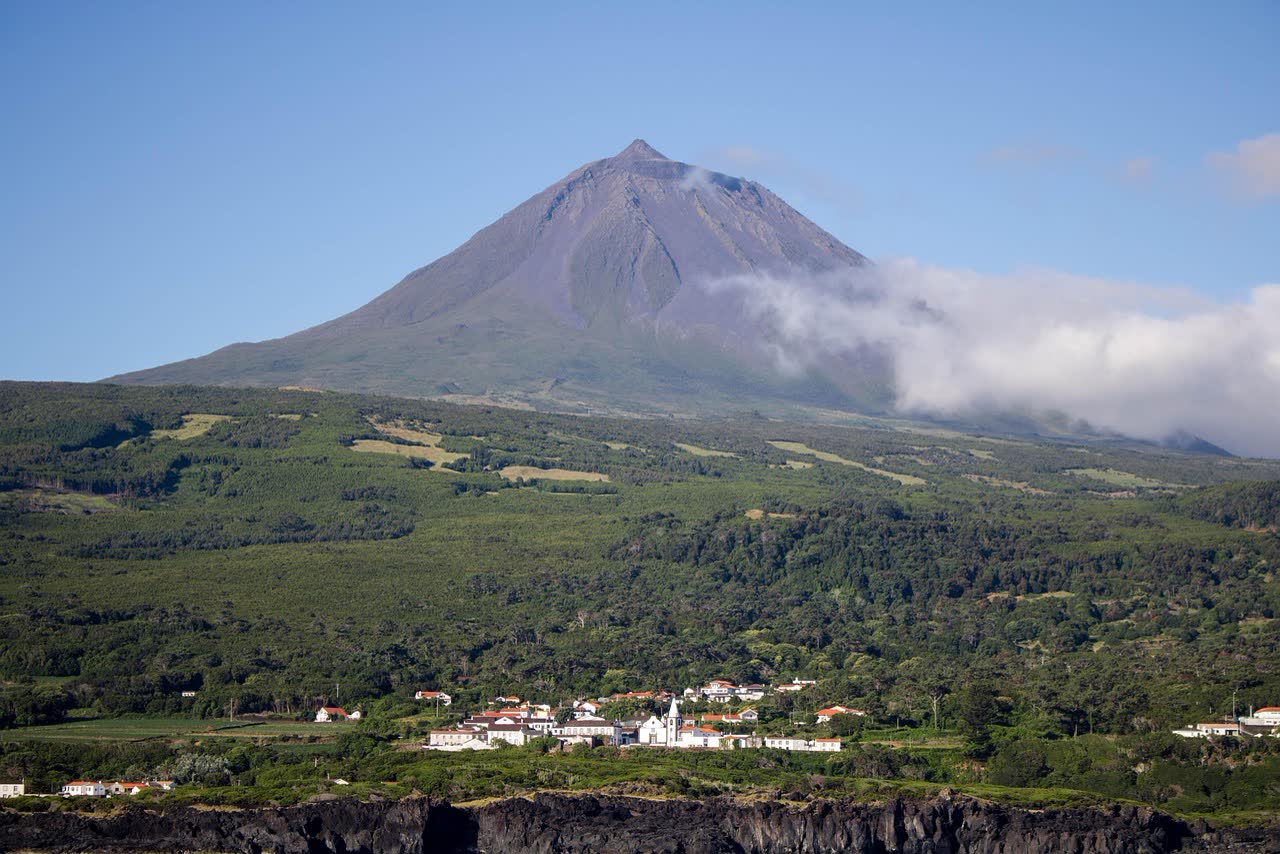
Mount Pico, on the island of Pico in the Azores, is the highest mountain in Portugal at 2,351 metres. Climbing it is a tough, unforgettable hike up a perfect volcanic cone, with views across the ocean to the neighbouring islands of Faial, São Jorge and, on clear days, Terceira and Graciosa. Here’s what you need to know.
Quick answer: the climb starts at the Casa da Montanha (around 1,200m), where you must register and pay a fee and are given a GPS tracker. The marked trail climbs about 1,100m to the crater rim, with an optional scramble up the summit cone (Pico Pequeno). Allow 6 to 8 hours return. It’s steep, rocky and strenuous. A guide is recommended, especially in poor visibility. See guided Pico climbs.
Why climb it
Pico is the top of Portugal and one of the most striking peaks in the Atlantic. From the summit you look down on a sea of cloud, the vineyards on the coast and the channel to Faial. It’s a hard day, but it needs no climbing skills, just fitness, good boots and the right weather.
Registration and fees
- Where: every climber must register at the Casa da Montanha, the mountain house run by the regional parks service.
- Fees: there are separate fees to climb to the crater, to go on to Pico Pequeno, and to stay overnight in the crater. In recent years they have been about €15 to the crater and about €25 including Pico Pequeno. Residents of the Azores climb free. Check current prices on the Azores parks website before you go.
- GPS tracker: you carry it with you and return it when you come down. There are charges if you lose or damage it.
- Numbers: the number of climbers on the mountain at one time is limited, so booking ahead online is recommended, especially in summer.
- Opening: in summer (May to September) the Casa da Montanha is usually open around the clock, which allows night climbs. April and October usually have longer hours at weekends. From November to March it’s usually open only in daytime, about 8am to 6pm. Check current hours.
- Children: under-16s must be with a parent or an authorised adult.
The climb
- Start: the Casa da Montanha visitor centre, reached by car or taxi from Madalena, about half an hour away. There’s no bus, so arrange a taxi pick-up for the return in advance.
- Distance: only about 3.8 km each way, but it gains around 1,150m to the top of Pico Pequeno.
- The trail: marked with 47 numbered posts, up steep, loose volcanic rock. The first stretch is grassy, then the path turns to bare lava and gets steeper.
- The crater: a wide crater at the top, then a final scramble to the summit of Pico Pequeno, where steam vents warm the rocks. The scramble is short but steep and uses your hands.
- Timing: most people take about 3 to 4 hours up and 2 to 3 hours down, plus time at the top. The descent on loose gravel is slower than you’d expect.
- Sunrise: some people climb overnight, or camp in the crater with a permit, to see the sunrise above the clouds.
- A shorter option: the walk to Furna Abrigo, a small lava cave about 1 km up the trail, takes about 45 minutes and costs less.
Getting there
Pico has its own airport, with flights from the other islands and, in some seasons, direct from Lisbon. Many visitors arrive by ferry from Horta on Faial, about half an hour across to Madalena. From there it’s about 30 minutes by car to the Casa da Montanha, the last part on a narrow mountain road. Some guided climbs include transport, so ask when you book.
When to go
June to September gives the best chance of settled weather and the longest days. Spring and autumn are possible but less reliable. In winter the summit can have snow and ice, and climbs are often closed. Start early in the morning whatever the season: cloud usually builds on the mountain as the day warms up.
How long to spend
Give yourself at least two or three nights on Pico, so you can pick the clearest day for the climb. Keep the next day easy, with a wine tasting or a whale-watching trip while your legs recover.
What to bring
- Hiking boots with good grip and ankle support.
- Layers, a waterproof, a hat and gloves: it can be cold and windy at the top, even in summer.
- Plenty of water and food: there’s nowhere to refill on the mountain. Two litres per person is a sensible minimum.
- Hiking poles, useful for the descent.
- Sunscreen and sunglasses: once you’re above the clouds there’s no shade.
- A head torch if you’re starting before dawn.
Safety
- Weather: clouds can roll in quickly and visibility can drop to a few metres. Check the forecast and turn back if conditions worsen.
- Stay on the trail: follow the posts. People get lost in fog every year when they wander off the route.
- Fitness: you need a good level of fitness. The descent is hard on the knees.
- Registration: it’s compulsory, and climbs may be closed in bad weather.
- Guides: a local guide knows the route in fog and can set a steady pace. It’s the best choice for a first big mountain hike.
Also on Pico
The UNESCO-listed vineyards in lava-stone walls, whale watching from Lajes and Madalena, and ferries to Faial. After the climb, rest your legs on a boat trip or a wine tasting. See Pico whale watching. See Pico and Pico’s vineyards.
Near Madalena, the Gruta das Torres is Portugal’s longest lava tube, with guided visits. To eat, try Pico cheese, octopus stewed in red wine and the island’s Verdelho white wine.
FAQ
How hard is it to climb Mount Pico?
It’s a strenuous hike, not a technical climb: about 1,100m of steep, loose rock and 6 to 8 hours for the round trip. You need good fitness and sturdy boots.
Do you need a guide to climb Mount Pico?
No. You can climb on your own once you have registered and collected your GPS tracker. A guide is still wise for a first big mountain hike, or if cloud is forecast.
How much does it cost to climb Mount Pico?
In recent years the fee has been about €15 to the crater and about €25 including Pico Pequeno, and Azores residents climb free. Check the latest prices on the Azores parks website.
Can you climb Mount Pico in winter?
Sometimes, but it’s much harder. Snow, ice and strong wind are common at the top, the Casa da Montanha keeps daytime hours only, and climbs are often closed in bad weather.
More: Azores island hopping, hiking in Portugal and where to stay in the Azores.
Some links in this guide are affiliate or referral links (GetYourGuide, Booking.com, Discover Cars, Welcome Pickups, Airalo, Yesim, Saily, Tiqets, Radical Storage, EKTA, AirHelp, Uber). If you book or sign up through them we may earn a small commission or ride credit at no extra cost to you. It helps keep our groups and this site free.
Still got questions?
Ask 305,000+ travellers and locals in our free Facebook groups.