
Madeira vs the Azores: Which Island Should You Visit?
Madeira or the Azores? Both are stunning Portuguese islands in the Atlantic, with dramatic volcanic landscapes, great hiking and mild weather, but they feel very different. Here’s how to choose between Madeira and the Azores.
Quick answer: choose Madeira for reliable sunshine, a lively capital (Funchal), great hotels, dramatic mountain hikes and an easy single-island trip. Choose the Azores for wild, green, uncrowded nature, crater lakes, hot springs, whale watching and island hopping, but expect more changeable weather. Can’t decide? Do both: SATA flies direct between Funchal and Ponta Delgada, or you can connect via Lisbon.
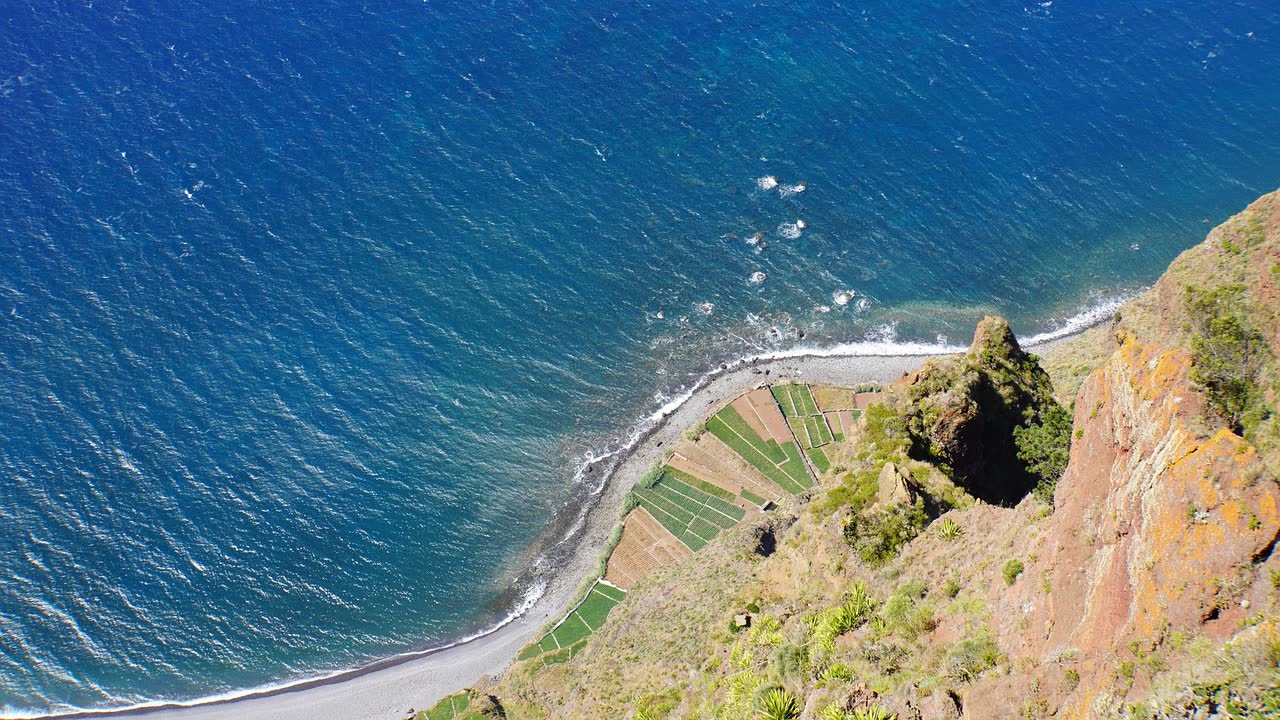
Why the choice matters
On a map they look like two similar island groups, and both are part of Portugal, use the euro and are a short flight from Lisbon. On the ground they are very different trips. Madeira is one steep, sunny island with a proper city, so you can stay in one hotel and do day trips. The Azores are nine small, rural islands spread across the ocean, where the weather and the logistics shape your days. Pick the one that suits how you like to travel.
At a glance
- Weather: Madeira is warmer and sunnier, especially on the south coast. The Azores are greener because they’re wetter, and the weather changes several times a day.
- Getting there: both are about 1h30–2h15 from Lisbon. Madeira has more direct flights from the rest of Europe.
- Size: Madeira is one island (plus Porto Santo’s beach island). The Azores are nine islands spread over 600km.
- Vibe: Madeira is more developed and polished; the Azores feel wilder and more rural.
- Beaches: neither is a beach destination, but Madeira has Porto Santo’s 9km golden beach and sandy Calheta. The Azores have black sand beaches and natural pools.
Madeira: best for
- Sunshine: spring-like weather all year.
- Hiking: spectacular levadas and the Pico do Arieiro to Pico Ruivo summit trail (all trails now need a booked slot). See Madeira levada walks.
- A city base: Funchal’s gardens, market, cable car and restaurants. See things to do in Funchal.
- Great hotels: from Reid’s Palace to boutique quintas. See the best hotels in Madeira.
- Families: easy logistics, natural pools and dolphins. See Madeira with kids.
- New Year’s Eve: one of the world’s great fireworks displays.
Hiking in Madeira: what to know
Madeira’s official trails are booked through the regional SIMplifica system. Most cost about €4.50 per person, and the famous PR1 from Pico do Arieiro to Pico Ruivo costs about €10.50. The PR1 is roughly 7km one way and ends at Achada do Teixeira, so plan a taxi or a second car for the return. It was closed after the August 2024 wildfires and reopened on 1 May 2026. Book before you go in busy months. See Pico do Arieiro to Pico Ruivo.
The Azores: best for
- Wild nature: crater lakes, waterfalls and endless green.
- Hot springs: Furnas, Caldeira Velha and Ferraria on São Miguel.
- Whale watching: among the best in the world. See whale watching in the Azores.
- Island hopping: Pico’s volcano, Faial’s harbour, São Jorge’s fajãs. See Azores island hopping.
- Fewer crowds and a slower pace.
Which Azores island?
Most first-timers start on São Miguel, the biggest island, with the main airport at Ponta Delgada and the best-known sights: Sete Cidades, Lagoa do Fogo and Furnas. With more time, add the “triangle” of Pico, Faial and São Jorge, which are linked by ferries all year. Ferries to the other central islands run mainly in summer. Santa Maria has had no passenger ferry from São Miguel for several years, so you fly there.
On São Miguel, the Terra Nostra garden pool in Furnas costs about €17 for adults, with dated tickets sold online, and visitors pay a small fee (about €3) to enter the Furnas lake area where the cozido is cooked. See Furnas.
Getting around
- Madeira: a hire car gives you the most freedom, but the roads are steep and twisty. Buses and organised tours from Funchal cover the main sights if you’d rather not drive. The island’s buses have been one SIGA network since 2024, and every route got a new three-digit number in March 2026, so ignore old route numbers you see online. The Aerobus from the airport to Funchal costs €6.70 one way.
- The Azores: you need a car on each island, as buses are infrequent. Between islands, you fly with SATA Air Açores or take the ferry. Leave spare time, because fog and rough seas can cause delays.
- Flight delays: Madeira’s airport is known for strong crosswinds, which can divert flights on windy days. The Azores are more prone to fog. Travel insurance is worth having for both.
Food and drink
- Madeira: espetada (beef skewers cooked over wood), bolo do caco (garlic flatbread), black scabbard fish (often served with banana), poncha (a rum, honey and lemon drink) and, of course, fortified Madeira wine. See the Madeira wine guide.
- The Azores: cozido das Furnas, a stew slow-cooked in the hot volcanic ground, São Jorge cheese, greenhouse pineapples, limpets (lapas), Terceira’s alcatra beef pot roast, and tea from São Miguel’s historic plantations, among the very few in Europe.
Cost
Both are similar to mainland Portugal. Madeira has more choice of hotels at every level; the Azores have fewer, so book early in summer. Car hire is recommended on both.
How long do you need?
- Madeira: 5 to 7 days covers Funchal, a couple of levada walks, the north coast and the west. Add 2 or 3 days if you want Porto Santo.
- The Azores: 5 days is enough for São Miguel alone. Allow 10 days or more to add two or three other islands without rushing.
- Both: two weeks lets you do both. SATA flies direct between Funchal and Ponta Delgada in about two hours, but there aren’t many flights, so check the schedule before you plan around one. Otherwise, connect via Lisbon.
When to go
- Madeira: any time; spring for flowers, New Year for fireworks.
- The Azores: May to September for the best weather and ferries; hydrangeas bloom in early summer.
Plan your trip
See the Madeira travel guide, the Azores travel guide, our São Miguel itinerary and São Miguel hotels.
What about the Canary Islands?
Choose Madeira for dramatic mountain scenery, levada walks, a relaxed pace and a charming capital (Funchal). Choose the Canary Islands for sandy beaches, more guaranteed winter sun on the southern coasts, big family resorts and more choice of islands and flights.
Side by side
- Landscape: Madeira is lush, steep and forested. The Canaries range from volcanic deserts to pine forests.
- Beaches: Madeira has few sandy beaches (Porto Santo is the exception). The Canaries have many.
- Hiking: Madeira is one of Europe’s best hiking islands. The Canaries also have great walks, especially on Tenerife and La Palma.
- Atmosphere: Madeira is calmer and more traditional. Parts of the Canaries are very built up.
- Weather: both are mild all year. The southern Canaries tend to be sunnier and drier.
- Combining them: the Spanish airline Binter flies between Funchal and the Canaries, with more flights in summer, so a two-centre trip is possible. Check the current schedule.
Choose Madeira if
You love hiking, gardens, scenery and a slower pace. See is Madeira worth visiting? and the Madeira itinerary.
Choose the Canaries if
You want sandy beaches, big resorts or the most reliable winter sun.
FAQ
Is Madeira or the Azores better in winter?
Madeira. Funchal is usually around 19°C by day in winter, with the most sunshine on the south coast. The Azores stay mild, at around 14 to 18°C, but winter there is wetter and windier, with fewer ferries and more disrupted flights.
Can you fly direct between Madeira and the Azores?
Yes. SATA flies between Funchal and Ponta Delgada in about two hours, but the schedule is limited, so check the days before you book the rest of your trip. Otherwise, connect via Lisbon.
Do you need a car in Madeira or the Azores?
In the Azores, yes: buses on each island are infrequent and many viewpoints and trailheads are up in the hills. In Madeira a car gives you the most freedom, but you can manage with SIGA buses, taxis and tours from Funchal.
Which has better beaches?
Neither is really a beach destination. Madeira’s best sand is the long golden beach on Porto Santo, a short flight or ferry ride away, while the Azores have black sand beaches and natural rock pools.
See also: the Algarve vs Madeira, the best time to visit Madeira, the best time to visit the Azores and the Azores hot springs.
Prices and details change, so please double-check before you travel. Spotted something out of date? Tell us in the groups.
Still got questions?
Ask 305,000+ travellers and locals in our free Facebook groups.