
Angra do Heroismo, Terceira: The UNESCO Town
Angra do Heroísmo, on the island of Terceira, is one of the most beautiful towns in the Azores, and a UNESCO World Heritage site. It has pastel-coloured streets, grand churches, a fortress and a bay sheltered by the volcanic headland of Monte Brasil. Here’s what to see.
Quick answer: walk the historic centre, climb to the Alto da Memória for views over the rooftops, hike Monte Brasil for views of the bay, and visit the cathedral and the Duke of Terceira garden. Come in June for the Sanjoaninas festival. See places to stay in Angra.

Why go
For centuries Angra was the key Atlantic stopover for ships sailing home from the Americas and the East Indies, and the wealth that passed through shows in its churches, palaces and fortress. Its historic centre was added to the UNESCO World Heritage list in 1983. The town’s title, “do Heroísmo”, was given by Queen Maria II to honour the islanders who held out for her side during Portugal’s civil war in 1829. It’s compact, easy to walk and has the best range of restaurants and places to stay on Terceira.
Things to do
The historic centre
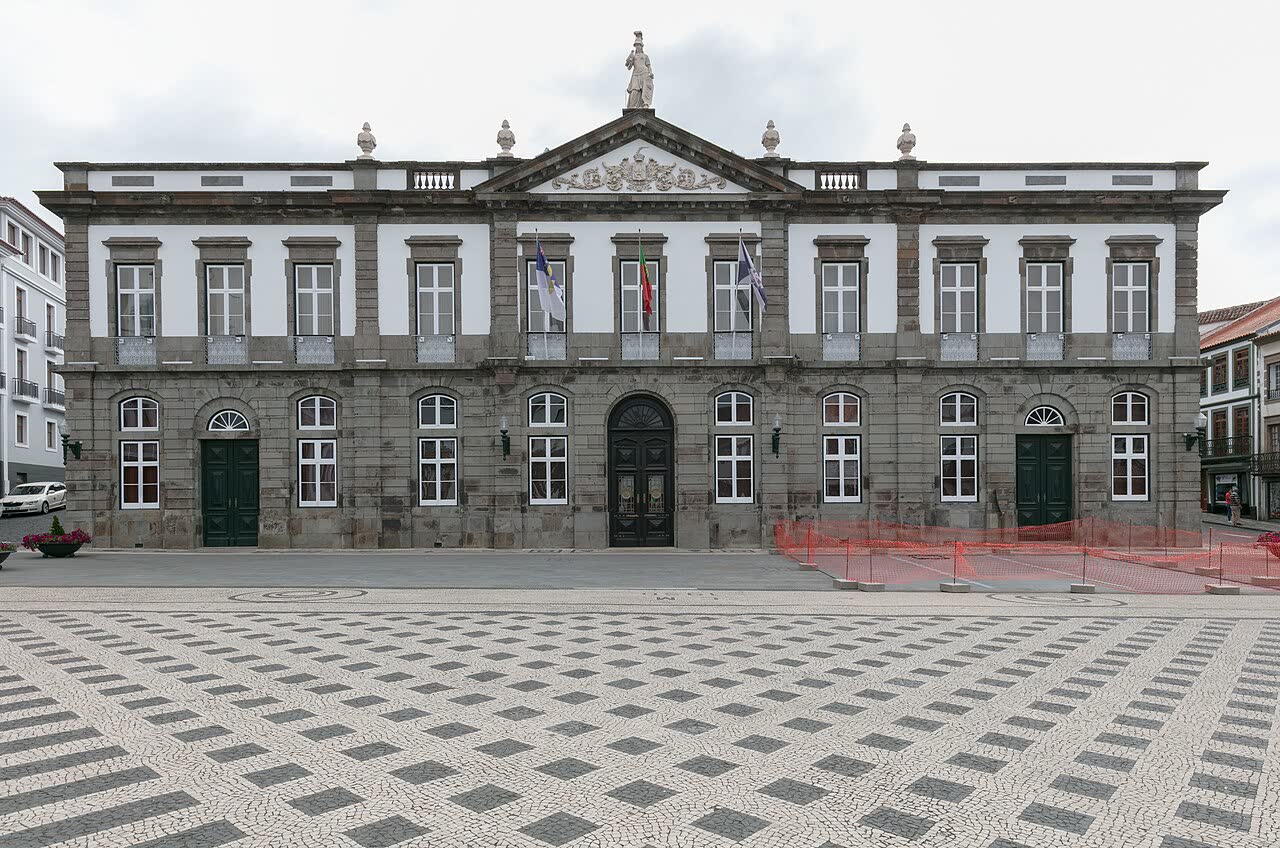
Wander the grid of streets around Rua Direita and the town hall square. Houses are painted in soft colours with stone window frames and ornate iron balconies. Much of the centre was damaged in the earthquake of 1 January 1980 and carefully rebuilt in the following years. Allow at least two hours just to walk.
The cathedral and churches
The Sé, Angra’s cathedral, is the seat of the bishop of the Azores and the largest church in the islands. Also look for the Igreja da Misericórdia on the waterfront and the 16th-century Igreja de São Sebastião. Opening times vary, so check before you go.
Jardim Duque da Terceira and Alto da Memória
This terraced garden in the centre has exotic trees, fountains and quiet benches. Paths and stairs climb up through it to the Alto da Memória, a 19th-century obelisk dedicated to King Pedro IV. The view from the top takes in the rooftops, the bay and Monte Brasil. The climb is steep but short, about 15 minutes.
Monte Brasil
This extinct volcano forms the headland that shelters Angra’s bay. At its foot stands the Fortaleza de São João Baptista, a huge late-16th-century fortress with walls several kilometres long, still used by the army. The marked circular trail (PRC04 TER) is about 7.5 km and usually takes around two and a half hours. It starts near the Relvão park at the edge of town and passes the 17th-century chapel of Santo António and the old signal station on Pico do Facho. For an easier option, drive up to the Pico das Cruzinhas viewpoint, with a monument and wide views over the town.
Inside the fortress
Guided visits to the fortress usually run from Wednesday to Sunday in small groups, and are booked through the Museu de Angra. They have cost about €5. Book a day or two ahead in summer, as places are limited.
Museu de Angra do Heroísmo
Housed in the former convent of São Francisco, the town museum covers the history of the island, from its role in Atlantic trade to military history. Allow an hour. It’s usually closed on Mondays, entry costs only a couple of euros, and it has been free on Sundays.
Swimming in town
Angra has two easy places for a summer swim. Prainha is a small sandy beach on the bay, right by the marina and the old centre. The Zona Balnear da Silveira, on the western edge of town, is a former fishing harbour turned into sea pools, with concrete decks, ladders into the water, showers and a bar.
How long to spend
One full day covers the town well. A suggested route: morning in the historic centre and the cathedral, lunch, then the garden and Alto da Memória. Spend the late afternoon on Monte Brasil, and finish with dinner in town. Add more days to explore the rest of Terceira.
Food
- Alcatra: Terceira’s signature dish, beef slow-cooked in a clay pot with wine and spices, served with sweet bread.
- Dona Amélia cakes: small spiced cakes with cinnamon and molasses, a Terceira classic.
- Local cheese and seafood: look for limpets and fresh fish of the day.
When to go
May to September has the warmest, most settled weather. The Sanjoaninas, the biggest festival in the Azores, fills Angra with parades, concerts and food stalls for about ten days in the second half of June. In 2026 it ran from 19 to 28 June, opening with marchas, costumed neighbourhood groups that parade through the historic centre. From spring to autumn you may also come across a tourada à corda, Terceira’s street bull-running on a rope. See the best time to visit the Azores.
Beyond Angra
Explore Terceira’s volcanic caves, natural pools and green fields divided by stone walls. See Terceira. From Terceira you can also fly or take a ferry to quiet Graciosa.
Getting there
Terceira’s airport, at Lajes, is about 20 minutes from Angra by car or taxi, with flights from Lisbon and the other islands. Local buses also link the airport area with Angra, but they are less frequent. A hire car is the easiest way to see the island. See getting around the Azores.
Tips
- Shoes: the streets are cobbled and some climbs are steep.
- Book early in June: rooms fill up fast during the Sanjoaninas.
- Weather: it can change quickly, so carry a light rain jacket.
- Mondays: the museum is closed, so save Monte Brasil or a drive round the island for that day.
FAQ
Why is Angra do Heroísmo a UNESCO World Heritage site?
It was listed in 1983 as an outstanding example of an Atlantic port town from the age of sea exploration. Ships from the Americas and the East Indies called here for centuries, and that trade paid for its churches, palaces and fortress.
How many days do you need in Angra?
One full day covers the historic centre, the garden and Monte Brasil. Stay two or three nights if you also want to explore the rest of Terceira.
When is the Sanjoaninas festival?
It runs for about ten days in the second half of June, around Saint John’s Day on 24 June. In 2026 it was held from 19 to 28 June.
Can you walk to Monte Brasil from the centre?
Yes. The trail starts near the Relvão park, a short walk from the old town, and loops round the headland in about two and a half hours.
More: UNESCO sites in Portugal, Azores island hopping and where to stay in the Azores.
Some links in this guide are affiliate or referral links (GetYourGuide, Booking.com, Discover Cars, Welcome Pickups, Airalo, Yesim, Saily, Tiqets, Radical Storage, EKTA, AirHelp, Uber). If you book or sign up through them we may earn a small commission or ride credit at no extra cost to you. It helps keep our groups and this site free.
Still got questions?
Ask 305,000+ travellers and locals in our free Facebook groups.