
Whale Watching in the Azores: When and Where
The Azores are among the best places in the world to see whales and dolphins. Around 28 species of cetaceans have been recorded around the islands, roughly a third of all the species known worldwide, and sperm whales live here year-round. The islands sit in deep Atlantic water far from the mainland, so big animals come close to shore. Here’s when and where to go, and how to choose a trip.
Quick answer: go between April and October. April to June is best for migrating blue, fin and sei whales, while summer brings calmer seas and lots of dolphins. Trips leave from Ponta Delgada (São Miguel), Lajes and Madalena (Pico) and Horta (Faial). Choose an operator that uses land-based lookouts to find the whales. See whale watching on São Miguel.
Why go
For centuries the Azoreans hunted sperm whales from small open boats. The last hunt took place off Pico in 1987, and whale watching began on the same coast soon afterwards, often guided by former whalers. Today the islands are one of the few places in Europe where you have a real chance of seeing the largest animal that has ever lived, the blue whale, on a half-day trip.
What you can see
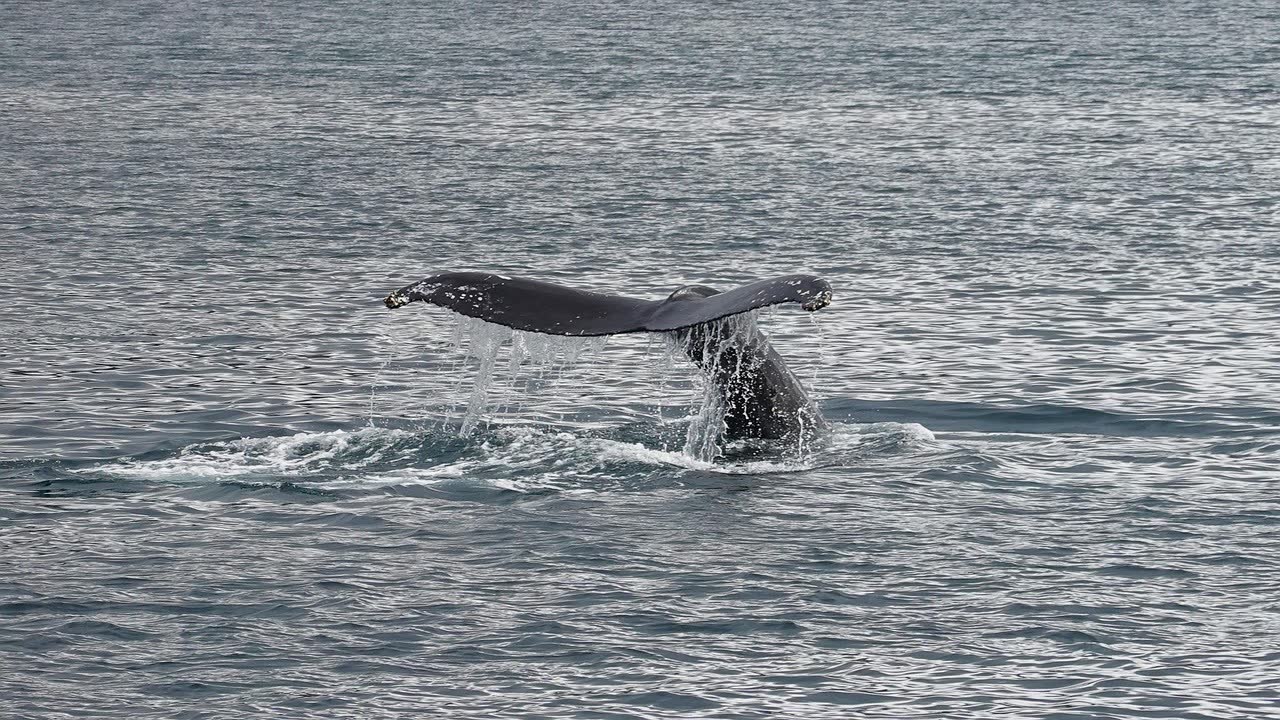
- Sperm whales: resident all year, especially around Pico and Faial. Females and young stay in family groups, so sightings are fairly reliable. You often see the blow first, then the tail as they dive.
- Blue, fin and sei whales: passing through on migration in spring, usually from about April to early June. Humpbacks turn up now and then too.
- Dolphins: common, bottlenose, Risso’s and spotted dolphins. The first three live here all year, while spotted dolphins mostly arrive in summer. Common dolphins are the ones you’re most likely to see, often in large, fast groups.
- Turtles in summer, and sometimes pilot whales, false killer whales and beaked whales.
When to go
- Spring (April to June): the best months for the great whales. The sea can still be lively, so expect a bumpier ride.
- Summer (July to September): calmer water, warmer weather and lots of dolphins. Sperm whales are still around, but the big migrating whales have mostly gone.
- Autumn and winter: fewer trips run and rough seas cancel many. Some operators on São Miguel sail all year when the weather allows.
See the best time to visit the Azores for the wider picture.
Where to go
São Miguel
The most trips and the easiest access, from Ponta Delgada’s marina. Boats reach deep water quickly, and it’s easy to fit a trip into a city stay or a cruise stop. See Ponta Delgada.
Pico
Lajes do Pico was a whaling village, and its whalers’ museum, in the old boathouses by the harbour, tells that story. It is usually closed on Mondays. Today Lajes is one of the best places for sperm whales, and the cliff-top lookouts above the town are still in use. In late August the town holds its Whalers’ Week (Semana dos Baleeiros), with the old whaleboats out on the water, concerts and events. See Pico trips. See Pico.
Faial
Trips from Horta harbour, which shares the same waters as Pico across a narrow channel. Horta is a good base if you’re island hopping by ferry. See Faial.
Getting there
- São Miguel: direct flights from Lisbon, Porto and several other European cities land at Ponta Delgada. The marina is a short walk from the old centre.
- Pico and Faial: fly in, or take the Atlânticoline ferry between Horta and Madalena, which crosses the channel in about 30 minutes. See Azores island hopping.
How trips work
- Vigias: lookouts on the cliffs scan the sea with binoculars and radio the boats, a tradition inherited from the whaling days. It saves time searching and raises your chances of a sighting.
- Boats: fast semi-rigid inflatables (bumpy and wet, but close to the water) or larger catamarans (more comfortable, with shade and a toilet, better for kids and anyone prone to seasickness).
- Duration: usually around 3 hours, including a short briefing on shore.
- Cost: a three-hour trip from Ponta Delgada costs around €70 to €75 per adult in 2026, plus any online booking fee. Prices vary by island and boat type, so compare before you book.
- Sightings: most operators see something on nearly every trip, and many offer a free second trip if you see no whales or dolphins at all. Ask before you book.
- Swimming with dolphins: offered by some licensed operators, so check the season when you book. It depends on the dolphins’ behaviour, so it isn’t guaranteed.
The rules at sea
The Azores have detailed rules for whale watching. Boats must stay at least 50 metres from the animals and keep further back from mothers with calves, only a few boats may watch the same group at once, and the time each boat spends with a group is limited. Swimming with whales is banned. With dolphins, only a couple of swimmers may enter the water at a time, and touching the animals is forbidden.
Choosing an operator
- Licensed: pick a company licensed by the regional government. Licensed boats follow rules on distance, speed and time spent with each group of animals.
- Marine biologist on board: many operators have one, which makes the trip far more interesting.
- Group size: smaller boats feel more personal, larger ones are steadier.
- Tours: see the best Azores tours to combine a boat trip with a crater lake day.
Tips
- Book early in your trip in case bad weather cancels sailings, so you have spare days to rebook.
- Seasickness: take tablets beforehand, eat a light meal and sit near the back of the boat.
- Bring a windproof jacket, sunscreen, a hat and sunglasses. On an inflatable, keep your camera in a dry bag.
- Morning trips often have calmer seas.
- Responsible operators follow distance rules around the animals. Don’t expect to get right up close.
- Children: some operators set a minimum age on inflatables. Check when you book.
FAQ
What is the best month for whale watching in the Azores?
April and May give you the best chance of blue, fin and sei whales on their spring migration. Sperm whales and dolphins can be seen all year, and summer brings the calmest seas.
Can you swim with whales in the Azores?
No. Swimming with whales is banned. Some licensed operators offer swimming with dolphins (check the season), but it depends on the animals’ behaviour.
Which island is best for whale watching?
São Miguel has the most trips and the easiest access. Pico and Faial are the classic places for sperm whales, with the strongest links to the islands’ whaling past.
More: the best time to visit the Azores, the best Azores tours, wildlife in Portugal and the Azores with kids.
See also: dolphin watching in Portugal.
Some links in this guide are affiliate or referral links (GetYourGuide, Booking.com, Discover Cars, Welcome Pickups, Airalo, Yesim, Saily, Tiqets, Radical Storage, EKTA, AirHelp, Uber). If you book or sign up through them we may earn a small commission or ride credit at no extra cost to you. It helps keep our groups and this site free.
Still got questions?
Ask 305,000+ travellers and locals in our free Facebook groups.