
Santa Maria, Azores: The Sunny Island
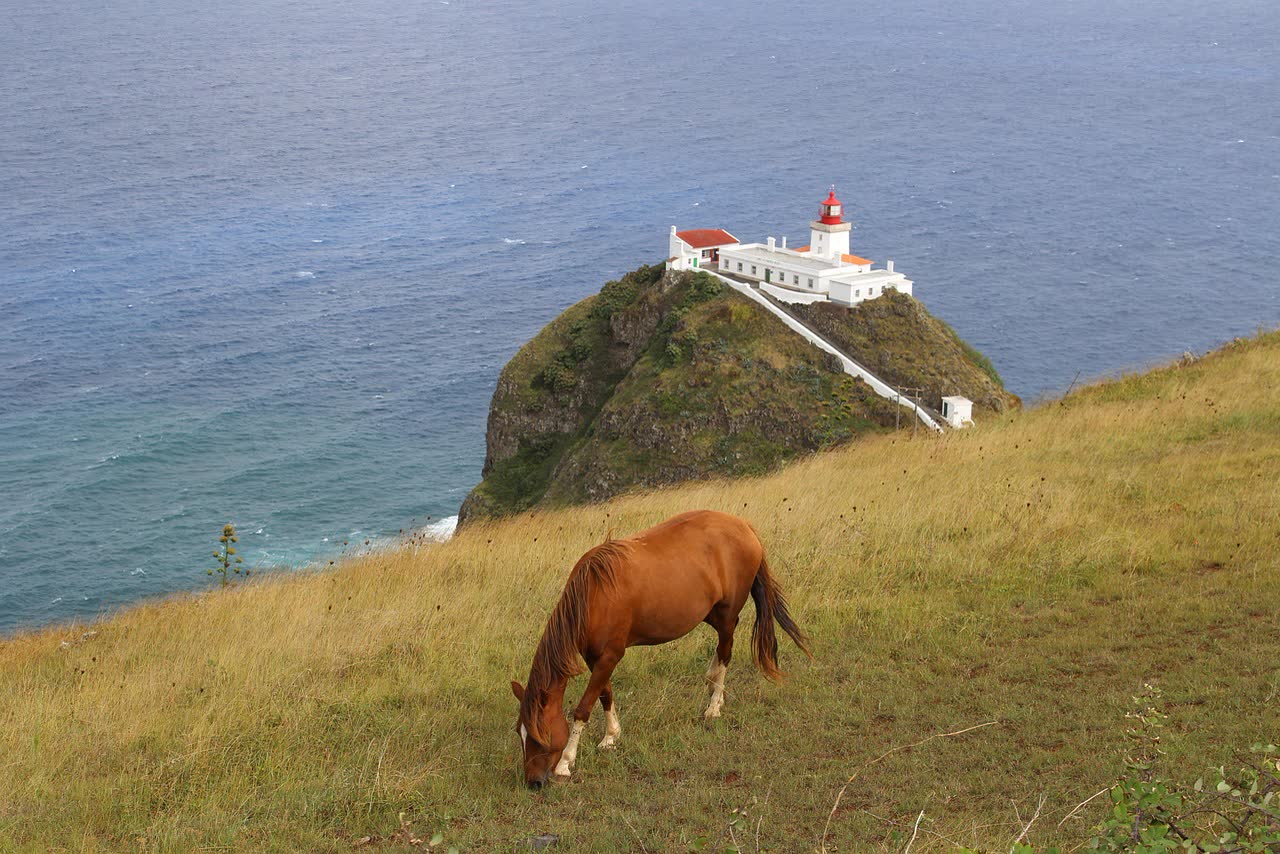
Santa Maria is the Azores’ sunniest island and the oldest geologically. It has golden sandy beaches, white villages, vineyard terraces dropping to the sea, and a red-earth “desert”. It was the first island in the Azores to be settled, and it’s a short hop from São Miguel.
Quick answer: fly from Ponta Delgada (about 30 minutes), as there is no regular passenger ferry at present. Spend 2 to 3 days exploring the beaches of Praia Formosa and São Lourenço, the Barreiro da Faneca red desert, the Aveiro waterfall near Maia, and the main town, Vila do Porto. See places to stay on Santa Maria.
Why go
Santa Maria looks and feels different from the rest of the Azores. It’s drier and warmer, with real sand beaches, whitewashed houses with coloured trim, and a landscape that runs from flat, dry land in the west to green hills in the east. It’s quiet, easy to get around and small enough to see in a couple of days.
It’s also the only Azores island with rocks full of marine fossils, some around four million years old, because parts of it once sat under the sea. That makes it a good stop if you like geology as much as beaches.
Things to do
- Praia Formosa: a long stretch of pale golden sand on the south coast, one of the few sandy beaches in the archipelago. It’s the island’s summer hub and hosts the Maré de Agosto music festival.
- São Lourenço Bay: a dramatic amphitheatre of vineyard terraces above a beach and natural pools on the east coast. The viewpoint above the bay is one of the best photos on the island.
- Barreiro da Faneca: a protected area of red clay in the north-west, often called the “red desert”. The clay formed from volcanic ash millions of years ago and is unique in the Azores. A short walk from the road is enough to see it.
- Cascata do Aveiro: a waterfall that drops about 100m down a basalt wall near the village of Maia. It flows best after rain.
- Anjos: the small chapel in this north-coast village is linked to Christopher Columbus, whose crew stopped here in February 1493 on the way back from the Americas.
- Pico Alto: the highest point, at 587m, with a viewpoint over the whole island on a clear day.
- Vila do Porto: the island’s small capital, with a fort above the harbour and a long main street of historic houses and churches.
- Casa dos Fósseis: a small, modern fossil museum in Vila do Porto, part of the Dalberto Pombo environmental centre. It explains how the island rose from the sea, with displays of local fossil finds. Allow about an hour, and check opening times before you go.
- Diving: the season runs roughly June to October. Offshore sites such as Ambrósio and the Formigas islets are known for manta and devil rays and other big marine life, usually from July to September.
- Walking: the GR01 SMA trail circles the island in about 78km, usually split into four or five days. Shorter marked trails cover the north coast.
Getting there
- By air: SATA Air Açores flies from Ponta Delgada in about 30 minutes. The airport is just outside Vila do Porto.
- By sea: Atlânticoline’s summer passenger ferry from São Miguel has not run for several years. The regional government has talked about bringing it back, and a cargo ship has taken a few passengers and cars in some summers, so check the latest before you plan around a boat.
See Azores island hopping and ferries in Portugal.
Getting around
The island is about 17km long and roads are quiet, so driving is easy. Most hotels and rental desks are in or near Vila do Porto. Taxis are the easiest way to reach the start or end of a linear walk, so ask your hotel to book one.
How long to spend
Two or three days is right. A one-day loop by car: start in Vila do Porto, head north-west to Barreiro da Faneca and Anjos, cross the middle to Pico Alto, drop down to São Lourenço for lunch and a swim, then follow the east coast south to Maia and the Aveiro waterfall. Finish with sunset on Praia Formosa.
With a second day, see the fossil museum in Vila do Porto in the morning, then walk one stage of the GR01 SMA or spend the afternoon on the beach. A third day suits a dive trip in summer.
Food
Expect fresh grilled fish and seafood, island beef and local cheeses. In spring and summer, villages hold Holy Spirit festivals, where you may be offered the traditional sopas do Espírito Santo, a hearty meat and bread soup. Try the local wine from the São Lourenço terraces if you see it.
When to go
- June to September: the best weather and the warmest sea.
- August: the Maré de Agosto festival on Praia Formosa is the largest music event in the Azores and one of the oldest summer festivals in Portugal. It usually runs for a few days in the second half of the month (19 to 22 August in 2026). Book rooms and flights early.
- Spring and autumn: quieter and greener, good for walking.
Tips
- Car: rent one to explore. The island is small but bus services are limited.
- Weather: the sunniest and driest of the islands, but the east side gets more cloud and rain than the west.
- Flights: book early for August, when flights from Ponta Delgada fill up around the festival.
- Combine with São Miguel. See the São Miguel itinerary and things to do in Ponta Delgada.
FAQ
Is there a ferry from São Miguel to Santa Maria?
Not a regular passenger ferry at present. The usual way is a 30-minute SATA Air Açores flight from Ponta Delgada.
Is Santa Maria worth visiting?
Yes, if you want sandy beaches, sunshine and quiet. It’s the warmest and driest island, and very different from green São Miguel.
How many days do you need on Santa Maria?
Two days covers the main sights by car. Three lets you add a walk, a dive or simply more beach time.
Can you swim at Praia Formosa?
Yes. It’s the island’s main bathing beach, a Blue Flag beach with lifeguards during the summer bathing season.
More: where to stay in the Azores and the best time to visit the Azores.
See also: the best beaches in the Azores.
Some links in this guide are affiliate or referral links (GetYourGuide, Booking.com, Discover Cars, Welcome Pickups, Airalo, Yesim, Saily, Tiqets, Radical Storage, EKTA, AirHelp, Uber). If you book or sign up through them we may earn a small commission or ride credit at no extra cost to you. It helps keep our groups and this site free.
Still got questions?
Ask 305,000+ travellers and locals in our free Facebook groups.