
Azores Island Hopping: Flights, Ferries and Itineraries
The Azores are nine volcanic islands in the middle of the Atlantic, and each one is different: São Miguel’s crater lakes, Pico’s towering volcano, Faial’s sailors’ harbour, the cliffs and fajãs of São Jorge, Terceira’s colourful UNESCO town and the waterfalls of Flores. Here’s how to island-hop the Azores, by plane and ferry.
Quick answer: combine São Miguel with the “triangle” of Pico, Faial and São Jorge, which are linked by year-round ferries. Fly between island groups with SATA Air Açores (visitor fares are often €55–110 one way). Allow at least 10–14 days for three or four islands, and build in spare time, as weather can cancel flights and ferries.
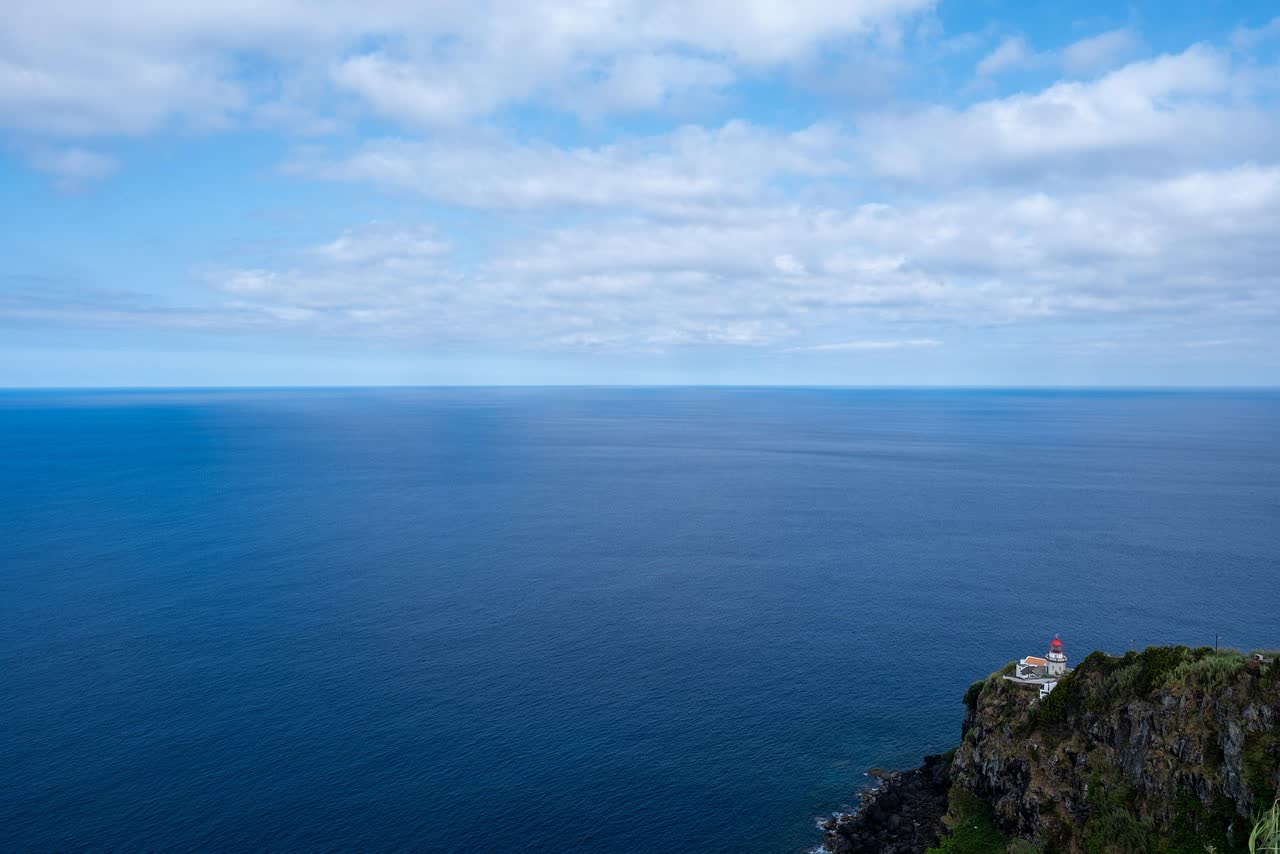
Why island-hop
Most visitors only see São Miguel, and it’s a great island. But the others feel more remote and each has its own character: a 2,351m volcano you can climb, vineyards in black lava, whales close to shore, and villages where cows outnumber cars.
The islands at a glance
The islands fall into three groups. The eastern group is São Miguel and Santa Maria. The central group is Terceira, Graciosa, São Jorge, Pico and Faial. The western group is Flores and Corvo, which sit on the North American plate. Moving within a group is easy; moving between groups means a flight. The exception is the east: there has been no passenger ferry between São Miguel and Santa Maria since about 2021, so you fly between them too.
- São Miguel: the biggest, with crater lakes, hot springs and tea. See our São Miguel itinerary.
- Terceira: the UNESCO-listed old town of Angra do Heroísmo, festivals, and lava caves.
- Pico: Portugal’s highest mountain (2,351m), UNESCO-listed vineyards in black lava walls, and whale watching.
- Faial: the yachting harbour of Horta and the Capelinhos volcano.
- São Jorge: a long, thin island of cliffs and fajãs (flat coastal strips), great for hiking and famous for cheese.
- Flores and Corvo: remote western islands of waterfalls and lakes. Spectacular, but weather-dependent.
- Graciosa and Santa Maria: quiet, sunny and far less visited.
Getting between islands
By plane
SATA Air Açores links all nine islands, with hundreds of inter-island flights a week in summer. Visitor fares are often around €55–110 one way; book early. Some flights from Lisbon go direct to Terceira, Pico, Faial and Santa Maria as well as São Miguel, so you can fly in to one island and out of another.
The planes are small propeller aircraft, so check the baggage allowance, especially if you’re carrying hiking gear. Many routes connect through Ponta Delgada or Terceira rather than flying direct.
By ferry
Atlânticoline runs the triangle ferries all year: Horta (Faial) to Madalena (Pico) several times a day in about 30 minutes, and Faial–Pico–São Jorge daily. From June to September, a seasonal line links the central islands, including Terceira and Graciosa. Ferries are often cancelled in rough seas, so check the day before.
Summer timetables add more triangle sailings and usually a few weekly links from the triangle to Terceira, some calling at Graciosa, plus boats between Flores and Corvo. Timetables are published by season on the Atlânticoline website, where you can book. Ferries carry cars on some routes, but most hire firms don’t allow their cars on board, so plan to drop one car and pick up another.
Highlights by island
Pico: climb the mountain
Climbing Mount Pico is the Azores’ great adventure: a steep, 3–4 hour climb (each way) to the summit cone. You must register at the Casa da Montanha and carry a GPS tracker. Fees are €25 to the summit (Piquinho), or €15 to the crater. You can go without a guide, but a guide is wise if you’re inexperienced, and the weather can change fast. See guided Pico climbs. Don’t miss the lava-walled vineyards and a glass of local wine. Places to stay on Pico.
Numbers on the mountain are capped each day, so book your climb in advance in summer. The Casa da Montanha is at about 1,200m, so you climb roughly 1,150m to the top. The vineyard landscape around Madalena and Criação Velha is easy to visit on foot. See Pico’s vineyards.
Faial: Horta and Capelinhos
Horta’s marina is covered in paintings left by sailors crossing the Atlantic, and Peter Café Sport is a legendary stop for a gin. At the western tip, the Capelinhos volcano erupted in 1957–58, creating new land; the interpretation centre is underground (about €10 for adults, free for young children). Places to stay in Horta.
Drive up to the Caldeira, a huge, green crater in the centre of the island, and walk the rim if the cloud lifts. From Horta, Pico’s cone fills the view across the channel. See our Faial guide.
São Jorge: the fajãs
Hike down to the fajãs, little villages on lava platforms at the foot of huge cliffs, like Fajã da Caldeira de Santo Cristo. Try the famous São Jorge cheese. Places to stay in Velas.
The classic walk runs downhill from the Serra do Topo to Fajã da Caldeira de Santo Cristo and on to Fajã dos Cubres, taking about 3 hours one way. Arrange a taxi back up. The lagoon at Santo Cristo is known for clams and surfing.
Terceira: Angra and the caves
Angra do Heroísmo is a colourful UNESCO World Heritage town. The famous Algar do Carvão lava tube reopened in March 2026 while its new visitor centre is finished, with tickets sold on arrival and afternoon opening, so check times before you go. Places to stay in Angra.
Terceira is the party island. The Sanjoaninas festival fills Angra in late June, and from about May to October villages hold touradas à corda, street events with a bull on a long rope. The cave of Gruta do Natal and the yellow sulphur vents of Furnas do Enxofre are also worth a stop. See our Terceira guide.
Flores: waterfalls
The wildest island, with waterfalls pouring down green cliffs at Poço do Bacalhau and Ribeira Grande. Allow extra days, as flights are often delayed by weather.
Look out for the Rocha dos Bordões, a cliff of tall basalt columns, and the chain of crater lakes in the centre of the island. Boat trips run along the coast in summer. The famous coastal trail from Ponta Delgada to Fajã Grande (PR01 FLO) is closed, so check the official Azores trails list for open routes before you plan your walks.
Sample itineraries
- 10 days: São Miguel (5 nights) + Pico and Faial (5 nights).
- 14 days: São Miguel (5) + Terceira (3) + Pico/Faial/São Jorge (6).
- Adventurous: add Flores at the end, with buffer days for weather.
Tips
- Weather is king: keep your plans flexible and check the webcams (SpotAzores) before heading up to viewpoints.
- Hire a car on each island; book early in summer.
- Whale watching is world-class from Pico, Faial and São Miguel.
- Best time: May to September for calmer seas and more ferries.
- Travel insurance: make sure it covers delays and missed connections, which are common in winter.
Getting around the Azores
Fly between islands with the local airline. Use ferries for the central “triangle” of Faial, Pico and São Jorge (all year) and for seasonal routes. On each island, rent a car, as buses are slow and won’t reach most viewpoints. Build in buffer days, because weather can disrupt flights and boats.
Between islands
- Flights: link all nine islands, often via São Miguel or Terceira. Book early in summer.
- Ferries: Atlânticoline runs the triangle ferries all year, linking Horta (Faial), Madalena (Pico) and São Jorge. Other routes are seasonal.
- Corvo: by boat from Flores or a short flight. See Corvo.
See Azores island hopping and ferries in Portugal.
On each island
- Hire car: the best option. Book ahead in summer, as cars run out on smaller islands.
- Buses: limited, mainly for locals.
- Taxis: available for island tours at agreed prices.
- Tours: on São Miguel, day tours cover Sete Cidades and Furnas. See the best Azores tours.
Tips
- Weather: fog and storms can cancel flights and ferries, so don’t schedule tight connections.
- Driving: roads are good but narrow and winding, with cows on rural lanes.
- Season: see the best time to visit the Azores.
FAQ
Is there a ferry from São Miguel to the other islands?
Not for passengers. There has been no ferry to Santa Maria since about 2021, and the summer ferries serve the central and western islands, so to leave São Miguel you fly with SATA.
How long is the ferry from Faial to Pico?
About 30 minutes from Horta to Madalena. Atlânticoline runs several crossings a day all year, but rough seas can cancel them, so check the day before.
How much does it cost to climb Mount Pico?
About €25 to the summit (Piquinho) or €15 to the crater. You register at the Casa da Montanha and carry the GPS tracker they give you. Book ahead in summer, as daily numbers are capped.
Can you take a hire car on the ferry?
Usually not. Some ferries carry cars, but most hire firms don’t allow it, so drop one car and pick up another on the next island.
More: the Azores travel guide. See Azores tours or browse all Azores stays.
From our sister blog: 20 unmissable things to do on São Miguel on Sunset Travellers.
See also: where to stay in the Azores, Santa Maria and Graciosa.
Some links in this guide are affiliate or referral links (GetYourGuide, Booking.com, Discover Cars, Welcome Pickups, Airalo, Yesim, Saily, Tiqets, Radical Storage, EKTA, AirHelp, Uber). If you book or sign up through them we may earn a small commission or ride credit at no extra cost to you. It helps keep our groups and this site free.
Still got questions?
Ask 305,000+ travellers and locals in our free Facebook groups.