
Graciosa, Azores: Windmills and the Sulphur Cave
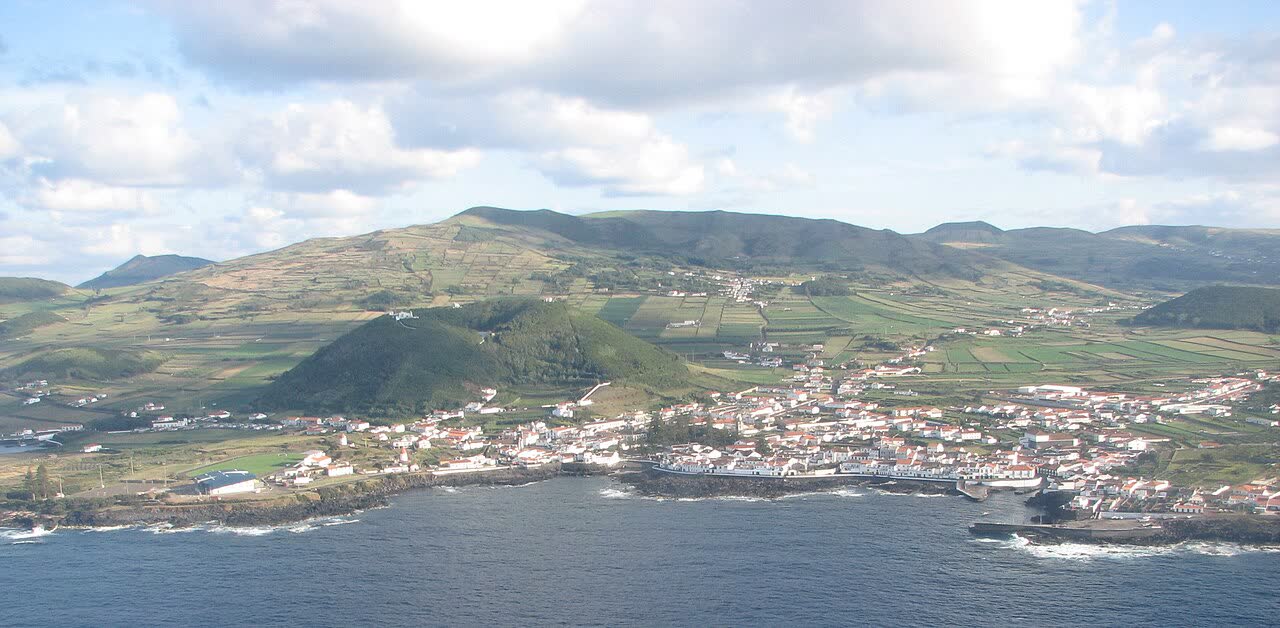
Graciosa is the Azores’ gentlest island: low hills, windmills, vineyards and white villages, with a UNESCO Biosphere Reserve status. Its star attraction is the Furna do Enxofre, a vast cave inside a volcanic crater with a sulphur lake. It’s perfect for a peaceful few days.
Quick answer: fly from Terceira or Ponta Delgada. Spend 1 to 2 days seeing the Furna do Enxofre cave, the Caldeira crater, the windmills, the thermal spa at Carapacho and the main town, Santa Cruz da Graciosa. See places to stay on Graciosa.

Why go
Graciosa is the northernmost island of the Azores’ central group and one of the smallest, about 10 km long and 7 km wide, with roughly 4,000 people. It has been a UNESCO Biosphere Reserve since 2007. It’s drier and flatter than its neighbours, so instead of steep green mountains you get vineyards, stone walls, windmills and quiet villages. Very few visitors make it here, and that is the appeal. Come for slow days, easy walks and one of the most impressive caves in Europe.
Things to do
Furna do Enxofre
Inside the island’s central crater, a stone tower built in 1939 holds a spiral staircase of 183 steps. It leads down into a huge lava cave, around 194 metres long and 50 metres high, with a dome-shaped roof often described as the largest volcanic dome in Europe. At the bottom is a lake of cold, sulphurous water, and there are gas vents nearby. A visitor centre at the top explains the geology. Allow about an hour. Opening hours are limited, especially outside summer: in recent years it has opened daily in summer and only some days in winter. Check before you go.
As a guide, recent timetables have shown the cave open every day from mid-June to mid-September, usually from about 10am to 6pm. From mid-September to the end of April it has usually opened only on Tuesday to Saturday afternoons, with slightly longer hours in May and early June. Entry costs a few euros. Volcanic gas levels are monitored, and the lower part of the cave can close at short notice if readings are high. The steps are damp and uneven, so wear shoes with grip.
The Caldeira
The crater around the cave is about 1.6 km wide. A walking trail follows the rim, with views across the island to the sea. Near the rim, the small lava tube of Furna Maria Encantada works as a natural window into the crater.
A road tunnel leads into the floor of the crater, where there is a picnic area among trees and the path to the cave.
Windmills
Traditional windmills with red, onion-shaped tops dot the island. Some have been restored, and a few are now holiday homes. You see them all over, especially around Santa Cruz and the north of the island. They were built to grind the wheat and barley that once made Graciosa a granary for the other islands.
Termas do Carapacho
A small thermal spa by the sea at the south-east tip of the island, using warm mineral water. It’s a relaxing stop after the cave. There are rock pools for swimming nearby in summer. The springs have been used since the 18th century, and the water comes out at roughly 35 to 40°C. Treatments and opening times vary by season, so call ahead if you want a specific treatment.
Santa Cruz da Graciosa
The main town has whitewashed houses, cobbled streets and large ponds that once stored water for livestock. Walk up to Monte da Ajuda, the hill above the town, for its chapels and wide views. The fortified Ermida de Nossa Senhora da Ajuda, from the 16th century, sits on the top. In the town itself, the small Graciosa Museum covers rural life, wine-making and the island’s history.
Praia
The second village, Praia (also called São Mateus), has a sandy beach and a small harbour facing a rocky islet. It’s the best spot on the island for an easy swim on a calm day.
How long to spend
One full day covers the highlights by car. A suggested route: morning at Furna do Enxofre and the Caldeira rim, lunch, then the spa at Carapacho, a swim at Praia, and sunset over Santa Cruz from Monte da Ajuda. Two days let you slow down and walk one of the marked trails.
Food
- Queijadas da Graciosa: small, star-shaped sweet pastries, the island’s best-known treat.
- Local wine: Graciosa makes crisp white wines from its volcanic vineyards.
- Fresh fish and seafood: simple and good in the village restaurants.
Choice is limited, and some restaurants close one day a week or shut in the low season. Book dinner in summer, and keep some snacks in the car for touring days.
Getting there
Flights connect Graciosa with Terceira and Ponta Delgada. Atlanticoline ferries link Graciosa with Terceira and other central islands a few times a week, with more sailings in summer. Schedules change by season, so check current times. See Azores island hopping.
The airport is just outside Santa Cruz, a few minutes by taxi. Ferries arrive at the port of Praia. If the weather turns, flights are more reliable than boats, so leave some slack before an international connection.
When to go
June to September has the calmest seas for ferries, the warmest weather and the longest opening hours at Furna do Enxofre. Spring and early autumn are quieter and still pleasant. In winter, some services shut or run less often. See the best time to visit the Azores.
Tips
- Car: handy for a day exploring the island. Book ahead, as there are only a few rental cars.
- Bring a layer: the cave is cool and damp even in summer.
- Combine with Terceira. See Terceira and Angra do Heroísmo.
FAQ
Is Graciosa worth visiting?
Yes, if you like quiet places. It has fewer big sights than São Miguel or Pico, but the Furna do Enxofre cave is unique, and the island is calm, easy to drive and rarely busy.
How many days do you need on Graciosa?
One full day covers the main sights by car. Two days let you walk the Caldeira rim, visit the spa and relax without rushing.
Can you go inside the Furna do Enxofre all year?
It is open all year, but on fewer days and shorter hours outside summer, and the lower cave can close if gas levels rise. Check the current timetable before you plan your day.
How do you get to Graciosa?
By plane from Terceira or Ponta Delgada, or by Atlanticoline ferry from Terceira and other central islands, with more sailings in summer.
More: where to stay in the Azores and Portugal’s hidden gems.
Some links in this guide are affiliate or referral links (GetYourGuide, Booking.com, Discover Cars, Welcome Pickups, Airalo, Yesim, Saily, Tiqets, Radical Storage, EKTA, AirHelp, Uber). If you book or sign up through them we may earn a small commission or ride credit at no extra cost to you. It helps keep our groups and this site free.
Still got questions?
Ask 305,000+ travellers and locals in our free Facebook groups.