
Trip guides / Food and drink
Portuguese Liqueurs: Beirao, Medronho, Poncha and More
Portugal makes much more than wine. Order a coffee after lunch, finish a meal in a village restaurant or stop at a bar in Madeira, and you’ll soon meet the country’s spirits and liqueurs, from sweet, herbal Licor Beirão to fiery medronho. Here’s what each one is, how strong it is and how to order it.
Quick answer: try Licor Beirão (22%), a sweet herbal liqueur from Lousã, neat, on ice or as a Caipirão. In the Algarve, sip medronho (usually 40–50%) or the bitter-almond liqueur amarguinha (about 20%). Have a ginjinha in Lisbon and a poncha in Madeira. Most are drunk in small glasses after a meal.
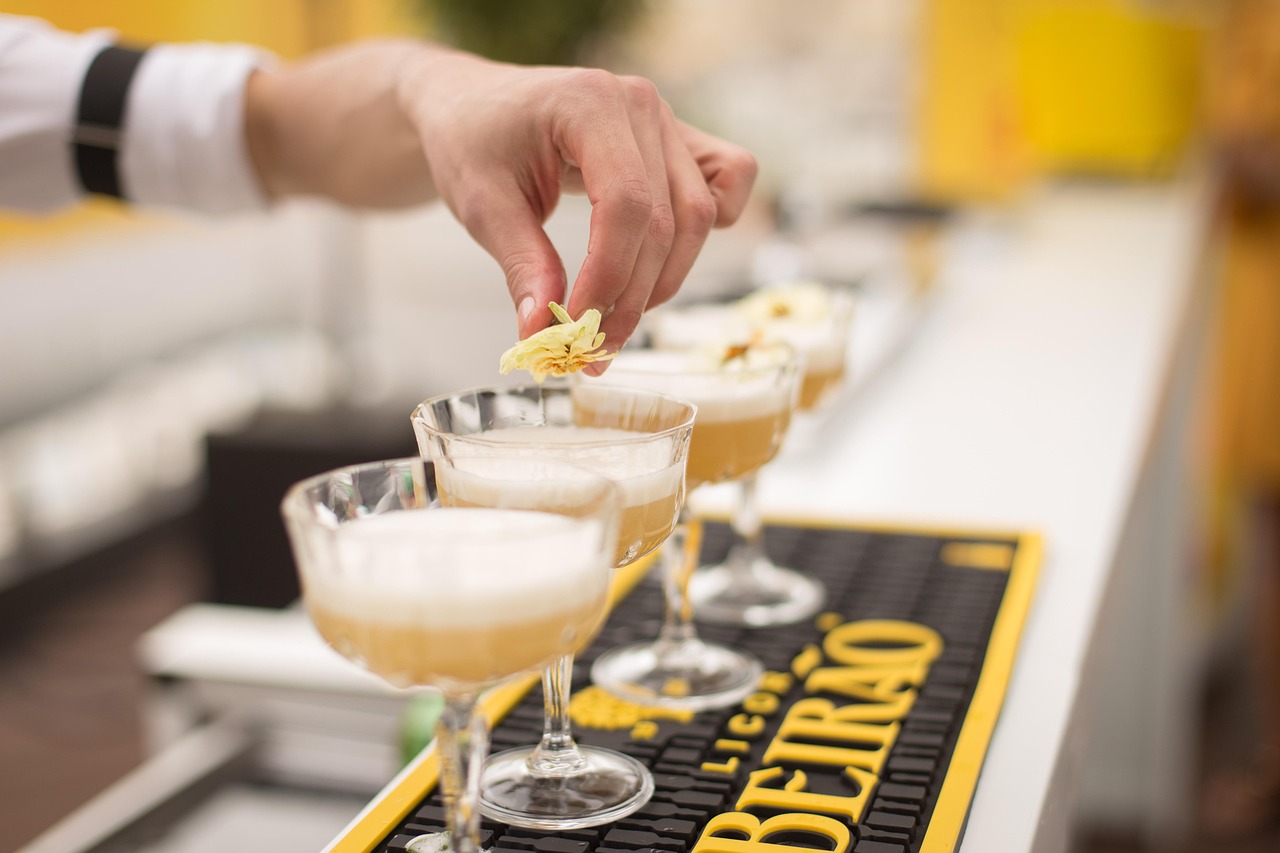
Licor Beirão
Portugal’s best-known liqueur comes from Lousã, a small town about 40 minutes by car from Coimbra and the gateway to the schist villages. Production began there in the late 19th century, and the drink took the name Licor Beirão in 1929, after winning first prize at the Beirão Congress. José Carranca Redondo bought the business in 1940, and his family still runs it, with the third generation in charge since 2011. It’s still made at Quinta do Meiral in Lousã, to a recipe the family keeps secret.
- Taste: sweet and herbal. It’s double-distilled from seeds and herbs, including mint, cinnamon, cardamom and lavender.
- Strength: 22%.
- How it’s drunk: usually as a digestif, neat or with ice.
- Caipirão: launched by the brand in 2001, a cousin of the Brazilian caipirinha. Half a lime is crushed in a glass, topped with crushed ice and Licor Beirão, and stirred. No sugar is added, as the liqueur is already sweet.
Medronho
Medronho is the Algarve’s mountain spirit, distilled from the red fruit of the strawberry tree (Arbutus unedo), which grows wild in the hills. Most of it is made in the Serra de Monchique, around villages such as Marmelete. The fruit is picked from October and fermented for 45 to 60 days before it’s distilled. See Monchique and Silves.
- Strength: usually around 40 to 50%, and many bottles are close to 48%.
- How it’s drunk: as a small shot after a meal, or with a morning coffee, either added to the cup or on the side.
- Melosa: a softer, sweeter version made with honey and sometimes herbs or spices, served as a digestif. A good start if straight medronho is too fierce.
- Go slowly: it’s a strong spirit, so sip it, drink responsibly and never drive the mountain roads after one.
Aguardente and bagaço
Aguardente (“burning water”) is the general word for a distilled spirit. The one you’ll meet most is aguardente bagaceira, usually just called bagaço. It’s distilled from the grape skins and stems left over after winemaking, much like Italian grappa.
- Strength: commercial bottles are usually around 37 to 52%. Homemade versions, still poured in some village bars, can be much stronger.
- Aged: bagaceira velha is aged in barrels, which gives it a caramel colour and a softer, woodier taste.
- With coffee: a café com cheirinho is an espresso with a splash of aguardente, bagaço or medronho, popular in the colder months. See the Portuguese coffee guide.
- Brandy: Lourinhã, north of Lisbon, became a demarcated brandy region in 1992. It’s one of only three in the EU, with Cognac and Armagnac.
Amarguinha
The Algarve’s classic liqueur is made with bitter almonds. Amarguinha (“little bitter one”) is the best-known brand, so many people use the name for the drink itself. It’s sold by Casa Redondo, the family firm behind Licor Beirão.
- Taste: sweet and nutty, similar to Italian amaretto.
- Strength: about 20%.
- How it’s drunk: cold or over ice, often with a squeeze or slice of lemon.
Ginjinha
Lisbon’s sour cherry liqueur is made by soaking ginja cherries in aguardente with sugar, often with cinnamon or cloves. It’s sold by the glass at tiny bars around Rossio, usually for about €1.50 to €2, and in Óbidos it comes in edible chocolate cups. Expect around 18 to 24%, depending on the producer. Order it com elas (with the cherries) or sem elas (without). For the full story, see the ginjinha guide.
Poncha
Madeira’s favourite drink is made with aguardente de cana (sugar-cane rum), lemon juice and honey or sugar. It’s stirred hard with a wooden stick called a mexelote, nicknamed the caralhinho, and served without ice. The fishing town of Câmara de Lobos is said to be where it began, and its harbour bars are still the classic place to drink one. See Câmara de Lobos.
- Versions: the fishermen’s poncha uses rum, lemon and sugar. The poncha regional adds orange juice, and tangerine and passion fruit versions are common too.
- Strength: a glass is mostly rum, so it’s much stronger than it tastes.
- Price: in local bars a poncha has long cost about €1.50 to €2.50. Prices can be higher in busy tourist bars.
Other regional liqueurs
- Licor de maracujá: the Azores’ passion fruit liqueur, usually around 20%. São Miguel’s passion fruit has protected status, and most bars and cafés on the islands stock the liqueur. It’s sipped after dinner or with a pastry.
- Licor de poejo: a pennyroyal (wild mint) liqueur from the Alentejo, around 20% and served very cold or over ice.
- Licor de castanha: chestnut liqueur, made in chestnut country such as Bragança in Trás-os-Montes and the Serra da Estrela.
How to order and what it costs
- Um Beirão com gelo: a Licor Beirão with ice. Sem gelo means without.
- Uma poncha, por favor: a poncha, please.
- Um café com cheirinho: an espresso with a splash of spirit.
- In a bar: a ginjinha costs about €1.50 to €2 in Lisbon, and a poncha in a local Madeira bar about €1.50 to €2.50.
- In the shops: a 70cl bottle of Licor Beirão costs about €12 to €14 in Portuguese supermarkets, and a 50ml miniature of licor de maracujá about €4.
Bringing bottles home
Licor Beirão, labelled medronho or melosa, amarguinha and ginjinha all make easy gifts. See the best Portuguese souvenirs.
- Packing: liquids rules at airport security mean full-size bottles usually go in checked luggage, unless you buy them after security.
- Airline limits: drinks over 24% and up to 70% (most medronho and bagaço) are limited to 5 litres per person, in retail packaging. Anything over 70% can’t fly at all.
- Within the EU: there’s no duty on drinks for your own use, though customs use guide levels of at least 10 litres of spirits.
- Into Great Britain: the allowance is 4 litres of spirits over 22%, or 9 litres of drinks up to 22%, such as most liqueurs, or half of each. Check the rules for your own country.
FAQ
What is Portugal’s national liqueur?
Licor Beirão calls itself “O Licor de Portugal” (the liqueur of Portugal), and it’s exported to more than 70 countries. Locally, ginjinha is Lisbon’s classic and poncha is Madeira’s.
How strong is medronho?
Usually around 40 to 50%, and many bottles are close to 48%. It’s drunk as a small shot. Melosa, made with honey, is softer and sweeter.
What is a Caipirão?
A Portuguese take on the caipirinha, made with Licor Beirão instead of cachaça. Half a lime is crushed in a glass with crushed ice and the liqueur, with no added sugar.
What is the difference between aguardente and bagaço?
Aguardente is the general word for a spirit. Bagaço is one kind of aguardente, distilled from grape skins and stems left after winemaking.
Can I take medronho home on the plane?
Yes, in checked luggage, in a sealed retail bottle, up to 5 litres per person for drinks over 24% and up to 70%. Check your home country’s customs allowance too.
More: port wine, Madeira wine and what to eat in the Algarve.
Prices and details change, so please double-check before you travel. Spotted something out of date? Tell us in the groups.
Still got questions?
Ask 305,000+ travellers and locals in our free Facebook groups.