
Mouraria, Lisbon: The Birthplace of Fado
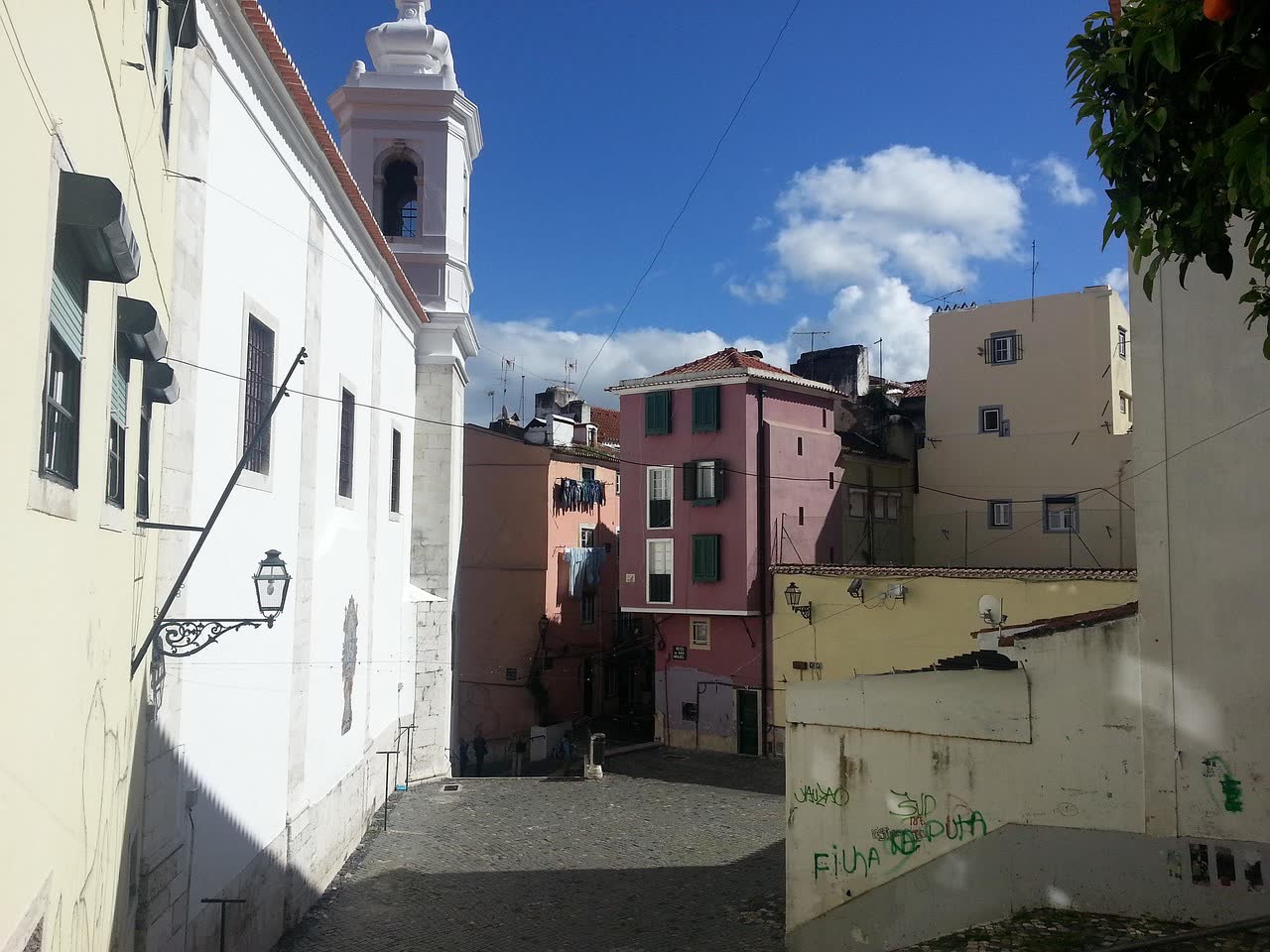
Mouraria is one of Lisbon’s oldest and most multicultural neighbourhoods. It’s a tangle of steep lanes below the castle where the Moors were moved after the Christian conquest, and it’s often called the birthplace of fado. Less polished than Alfama, it’s full of character.
Quick answer: Mouraria climbs the hill between Martim Moniz and the castle. Walk up Rua do Capelão past the fado portraits, visit Largo da Severa, catch tram 28, and eat in the family-run tascas and international restaurants. It’s best explored on foot or with a local guide. See places to stay around the castle and Mouraria.
Why go
Mouraria shows a side of Lisbon that the postcards skip. After King Afonso Henriques took Lisbon in 1147, the Muslim population was confined to this slope outside the old walls, and the name comes from the word for Moors. Much of the lower part was demolished in the 20th century, but the upper lanes survive. Today you hear Portuguese, Bengali, Hindi and Mandarin in the same street, and fado is still sung in the bars.
A short history of fado here
Maria Severa, a 19th-century singer who died at just 26, lived on Rua do Capelão and is often called the first famous fadista. Later came Fernando Maurício, known as the “king of Mouraria fado”, and the modern star Mariza grew up in the neighbourhood. You see their faces on the walls as you climb.
Fado grew up in the poor, working districts by the river and below the castle, sung in taverns by sailors, labourers and street sellers. Mouraria kept that informal tradition alive, which is why amateur nights still feel at home here. In 2011 UNESCO added fado to its list of the Intangible Cultural Heritage of Humanity.
Things to do
- Rua do Capelão: a lane decorated with photos and tributes to fado singers, many with short notes about their lives. Allow 15 minutes to wander and read the plaques.
- Largo da Severa: a small square named after Maria Severa, a 19th-century fado singer from the neighbourhood.
- Fado vadio: informal amateur fado nights in small local bars, where anyone can stand up and sing. Times change, so ask locally. See fado in Lisbon.
- Martim Moniz: a square at the bottom of the hill, and the start of tram 28. The busy shopping centres around it are full of Asian grocers and spice shops.
- Ermida de Nossa Senhora da Saúde: a small chapel by Martim Moniz. Its procession, held in May, is often described as the oldest in Lisbon, dating back to a plague in the 16th century.
- Rua do Benformoso: the main street of the “new” Mouraria, lined with South Asian grocers, sari shops and cheap restaurants. It leads north towards Intendente.
- Largo do Intendente: a square on the edge of Mouraria that has been revived with cafés and terraces. Look for the old Viúva Lamego tile factory building, its façade covered in decorative azulejos. See azulejos in Portugal.
- Street art and murals along the stairways, many on fado themes. See Lisbon street art.
- Food: Portuguese tascas alongside Indian, Nepali, Bangladeshi and Chinese restaurants.
Walking route
Start at Martim Moniz, climb Rua do Capelão to Largo da Severa, continue up to the Largo dos Trigueiros, then on to São Jorge Castle or across to Graça. See São Jorge Castle and Graça.
The walk itself takes about an hour at a gentle pace with stops. Add two hours if you visit the castle, or combine it with Graça and Alfama for a full half-day on foot. Go in the late afternoon, then stay for dinner and fado.
A half-day plan
- Late morning: browse the shops around Martim Moniz and Rua do Benformoso, then have a coffee in Largo do Intendente.
- Lunch: a cheap curry or a Portuguese prato do dia (dish of the day).
- Afternoon: climb through Rua do Capelão and Largo da Severa to the castle, or take the Graça funicular up to Graça for the viewpoints.
- Evening: come back down for dinner and, if you’re lucky, a fado vadio session.
Getting there
- Metro: Martim Moniz station on the green line is at the foot of the hill. Rossio and Baixa-Chiado are also a short walk away.
- Tram 28: it starts at Martim Moniz and climbs past the edge of Mouraria towards Graça.
- Graça funicular: this small funicular runs from Rua dos Lagares in Mouraria up to Graça, saving you the steepest climb. It reopened in April 2026.
Food
This is one of the best areas in Lisbon for cheap, honest food. In the Portuguese tascas, look for grilled sardines in summer, bacalhau (salt cod), caldo verde soup and a daily lunch menu. Around Martim Moniz and Rua do Benformoso you find curries, momos and dumplings at low prices. Finish with a ginjinha, the cherry liqueur sold from tiny bars near Rossio, just down the hill. See the ginjinha guide.
When to go
- June: the Santo António festivities fill Mouraria with street parties, grilled sardines and music, especially around 12 and 13 June. It’s loud and crowded, and great fun. See the Santo António festival.
- May: the Senhora da Saúde procession, usually on the first or second Sunday of the month. It starts and ends at the chapel in Martim Moniz.
- Spring and autumn: the most comfortable weather for the climb.
Tips
- Shoes: it’s steep and the cobbles are slippery.
- Tram 28: board at Martim Moniz to get a seat. See the trams guide.
- Guided walk: local guides bring the history and fado stories to life. See Lisbon tours.
- At night: the upper lanes are lively and generally fine, but keep valuables out of sight around Martim Moniz and the lower streets late at night, as anywhere busy in Lisbon.
FAQ
Is Mouraria safe for tourists?
Yes, it is generally safe, and the upper lanes are busy with locals and visitors in the evening. As anywhere in a big city, watch your bag around Martim Moniz and the lower streets late at night. See is Lisbon safe?
What is the difference between Mouraria and Alfama?
Both are old, hilly neighbourhoods below the castle. Alfama runs down towards the river and sees more visitors, while Mouraria sits on the north side of the hill and feels more local and multicultural.
Where can I hear fado in Mouraria?
Small bars and tascas hold fado vadio nights, where amateurs take turns to sing. Times change often, so ask locally or look for notices in the windows.
More: Alfama, unusual things to do in Lisbon and where to stay in Lisbon.
Some links in this guide are affiliate or referral links (GetYourGuide, Booking.com, Discover Cars, Welcome Pickups, Airalo, Yesim, Saily, Tiqets, Radical Storage, EKTA, AirHelp, Uber). If you book or sign up through them we may earn a small commission or ride credit at no extra cost to you. It helps keep our groups and this site free.
Still got questions?
Ask 305,000+ travellers and locals in our free Facebook groups.