
Alfama, Lisbon: Things to Do, Fado and Where to Stay
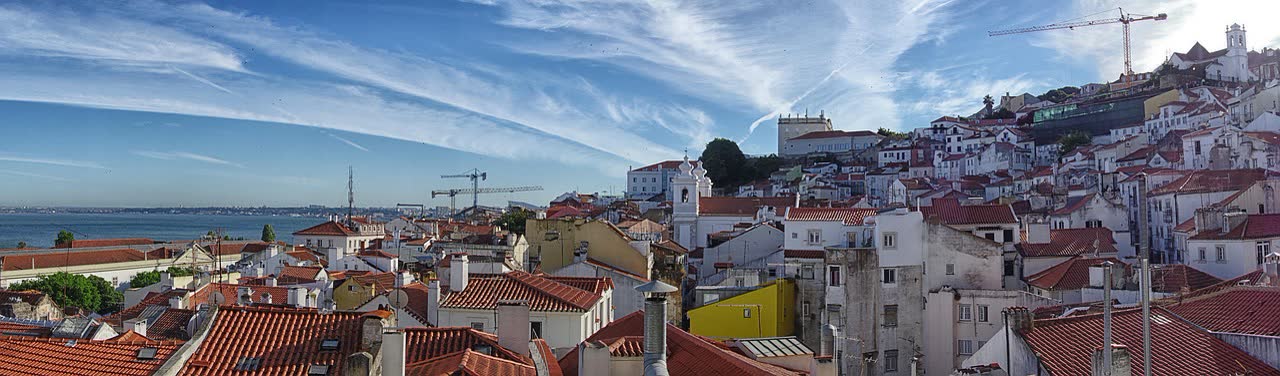
Alfama is Lisbon’s oldest neighbourhood and its soul: a maze of steep lanes, staircases and tiny squares tumbling from the castle down to the river, with laundry strung between windows, the smell of grilled sardines and fado drifting from taverns. It survived the great earthquake of 1755, so its medieval street plan is still intact. Here’s how to explore it.
Quick answer: start at the top with São Jorge Castle (€17) and the Santa Luzia and Portas do Sol viewpoints, then wander down through the lanes to the Sé cathedral, the Fado Museum (€5) and the riverside. Come back at night for fado, and in June for the Santo António street parties. Wear good shoes, and expect to get lost (that’s the fun).
Why go
The name comes from the Arabic al-hamma, linked to the hot springs and baths that were here under Moorish rule. Fishermen and sailors later filled the slopes, and the rock beneath kept most of the houses standing in 1755. Today it’s still a lived-in neighbourhood, with grocers, tiny bars and neighbours chatting across the lanes, as well as some of the city’s best views and its oldest buildings.
Getting there
- From the top: bus 737 runs from Praça da Figueira up to the castle gate, the easiest way to avoid the climb. Tram 28 stops at Largo das Portas do Sol.
- From the bottom: Santa Apolónia metro station (blue line) and the riverside are a short walk from the Fado Museum and Largo do Chafariz de Dentro.
- From Mouraria: the Graça funicular, which reopened in April 2026, helps on the climb up towards Graça.
- On foot from the Baixa: about 15–20 minutes uphill to the cathedral and Santa Luzia.
Cars are a bad idea: the lanes are narrow, many are for residents only, and parking is almost impossible. See Lisbon public transport.
Things to do in Alfama
São Jorge Castle
The Moorish castle on Lisbon’s highest hill, with walls to walk, peacocks in the gardens and the best views in the city. €17 for adults (€8.50 for ages 13–25, free for under-12s). Open until 9pm from March to October and 6pm in winter. Go early or late to avoid the queues.
It opens at 9am all year, and the last entry is 30 minutes before closing. Allow about 1.5–2 hours. The camera obscura tower and the archaeological site are only seen on guided visits, so ask for the times at the entrance (the camera obscura depends on the weather). Buy online from the official site to skip the ticket queue. See our São Jorge Castle guide.
The viewpoints
Miradouro de Santa Luzia (with its bougainvillea pergola and tiles) and Portas do Sol (with a wide terrace and café) are side by side, with classic views over the rooftops to the river. See the best Lisbon viewpoints.
Lisbon Cathedral (Sé)
The fortress-like 12th-century cathedral on the edge of Alfama. Visiting the naves now needs a €7 ticket (€5 for ages 7 to 12 and Lisboa Card holders, free under 7), which also covers the high choir, the balcony between the towers and the treasury; only a small chapel for prayer is free. Tourist visits run Monday to Saturday, 10am to 6pm in winter and until 7pm on most days from May to October. The cloister dig has been closed since 2018; the works are finished but no reopening date has been set. See our Lisbon Cathedral guide.
The National Pantheon
The white-domed church of Santa Engrácia, resting place of famous Portuguese including fado singer Amália Rodrigues. Climb to the rooftop terrace for a 360° view. €10, closed Mondays.
The dome took nearly three centuries to finish, which is why “obras de Santa Engrácia” is still Portuguese slang for a job that never ends. It opens Tuesday to Sunday, 10am to 5pm from October to March and until 6pm from April to September.
Museu do Fado
The story of Lisbon’s soulful music, with recordings and guitars. €5, Tuesday to Sunday. Then hear it live. See fado in Lisbon.
Feira da Ladra
Lisbon’s flea market, on Tuesdays and Saturdays at Campo de Santa Clara (Tuesday is quieter). Tiles, vinyl, antiques and lots of curiosities.
Stalls set up from early morning and many start packing up by early afternoon, so go before noon. Keep an eye on your bag in the crowds.
Casa dos Bicos
A 16th-century house with a striking diamond-studded facade, now home to the José Saramago Foundation (about €3 to €4, usually open Monday to Saturday), with Roman remains in the basement.
Get lost in the lanes
Wander the Beco do Carneiro (one of the narrowest alleys), Largo do Chafariz de Dentro and the little staircases between them. Look out for tiled facades, tiny tascas and locals chatting from windows.
Ride tram 28
The famous yellow tram rattles through Alfama’s narrow streets. Ride early to avoid the crowds, and watch your bag.
A half-day walk
Alfama is easiest from the top down. This route takes about three to four hours with stops:
- 1. São Jorge Castle: arrive at 9am opening by bus 737.
- 2. Portas do Sol and Santa Luzia: five minutes downhill, for the classic views.
- 3. The Sé: a few minutes further down, past the tram tracks.
- 4. The lanes: drop into the heart of Alfama via the staircases around Beco do Carneiro.
- 5. Largo do Chafariz de Dentro and the Fado Museum: the old square near the river.
- 6. Casa dos Bicos: along the riverside towards the Baixa, ending at Praça do Comércio.
On a Tuesday or Saturday, add the Feira da Ladra and the National Pantheon, about ten minutes east of Portas do Sol.
What to eat and drink
- Grilled sardines: at their best from June to September, often cooked on street grills.
- Petiscos: small plates like pica-pau (beef strips in a garlicky sauce), clams and fried fish.
- Ginjinha: the sour cherry liqueur, sold in little shots from tiny bars and windows.
- Fado dinners: many Alfama taverns serve dinner with live fado. Expect a minimum spend, and silence during the songs.
Santo António: the June street party
Every June, Lisbon celebrates its favourite saint with the Festas de Lisboa. Alfama becomes one giant street party, with grilled sardines, pop-up bars (arraiais), music and paper decorations. The big night is 12 June, with parades on Avenida da Liberdade and parties until dawn. Book accommodation early. See our Santo António festival guide.
Where to stay in Alfama
- Memmo Alfama: design hotel with a famous terrace pool and river views.
- Santiago de Alfama: a five-star boutique in a restored palace near the castle.
- Heritage Solar do Castelo: a small, charming inn inside the castle walls.
- Olissippo Castelo: right below the castle walls, with garden terraces and views.
- Hotel Convento do Salvador: a good-value hotel in a former convent.
- Nearby: Torel Palace, on the hill across the Baixa, with wonderful views back to Alfama.
Alfama is atmospheric but steep and can be noisy during the June festivals. See where to stay in Lisbon or browse Alfama stays.
Tips
- Shoes with grip: the cobbles are steep and slippery.
- Tuk-tuks are banned from many of Alfama’s narrowest streets, so tours stop at set points. See Lisbon tuk-tuk tours.
- Respect residents: it’s a real neighbourhood, so keep the noise down at night.
- With a guide: a walking tour reveals the history behind the lanes. See Alfama walking tours.
- Use your phone map loosely: GPS struggles in the narrow lanes, so aim for the river (downhill) or the castle (uphill).
- Best light: early morning for quiet lanes and soft light on the rooftops, late afternoon for the viewpoints.
FAQ
How long do you need in Alfama?
Half a day covers the castle, the viewpoints, the cathedral and the lanes, about three to four hours on foot. Come back in the evening if you want to hear fado.
Is Alfama safe at night?
Generally yes. The streets around the fado houses stay busy until late, but some empty back lanes can feel lonely, so stick to lit streets and take a ride home if you’re staying across town. See is Lisbon safe?
Is Alfama hard to walk?
Yes, it’s steep, cobbled and full of stairs. Take bus 737 or tram 28 to the top and walk down, wear shoes with grip, and leave the buggy behind for a baby carrier.
Is Lisbon Cathedral free to visit?
Not any more. The nave, high choir and treasury need a ticket of about €7, and only a small chapel for prayer is free.
More: 3 days in Lisbon and Lisbon’s best photo spots.
See also: the São Jorge Castle guide, Mouraria, Graça, the best restaurants in Lisbon, the Feira da Ladra flea market, Baixa and Rossio, the National Pantheon and São Vicente de Fora.
Some links in this guide are affiliate or referral links (GetYourGuide, Booking.com, Discover Cars, Welcome Pickups, Airalo, Yesim, Saily, Tiqets, Radical Storage, EKTA, AirHelp, Uber). If you book or sign up through them we may earn a small commission or ride credit at no extra cost to you. It helps keep our groups and this site free.
Still got questions?
Ask 305,000+ travellers and locals in our free Facebook groups.