
Fado in Lisbon: Where to Hear It (Without the Tourist Traps)
Hearing fado in a candlelit Lisbon tavern is one of those travel moments that stays with you. It’s Portugal’s soulful, heartbreaking song of longing, sung to the sound of the 12-string Portuguese guitar. It’s easy to end up in an overpriced tourist dinner show, though. Here’s how to find the real thing, from free-for-all neighbourhood taverns to the legendary fado houses.
Quick answer: for an authentic, cheap night, try amateur fado at Tasca do Chico (Bairro Alto) or A Baiuca (Alfama). For a classic dinner with top professional singers, book a casa de fado like Mesa de Frades, Clube de Fado or Senhor Vinho. Short on time or with kids? The 50-minute Fado in Chiado show starts early evening. Stay silent while they sing!
What is fado?
Fado (“fate”) grew up in Lisbon’s working-class neighbourhoods, especially Alfama and Mouraria, in the 1800s. It’s all about saudade, a uniquely Portuguese word for a deep, nostalgic longing for someone or something lost. A singer (fadista), usually dressed in black, is accompanied by a Portuguese guitar and a classical guitar. The great Amália Rodrigues made it world-famous, and UNESCO listed fado as Intangible Cultural Heritage in 2011.
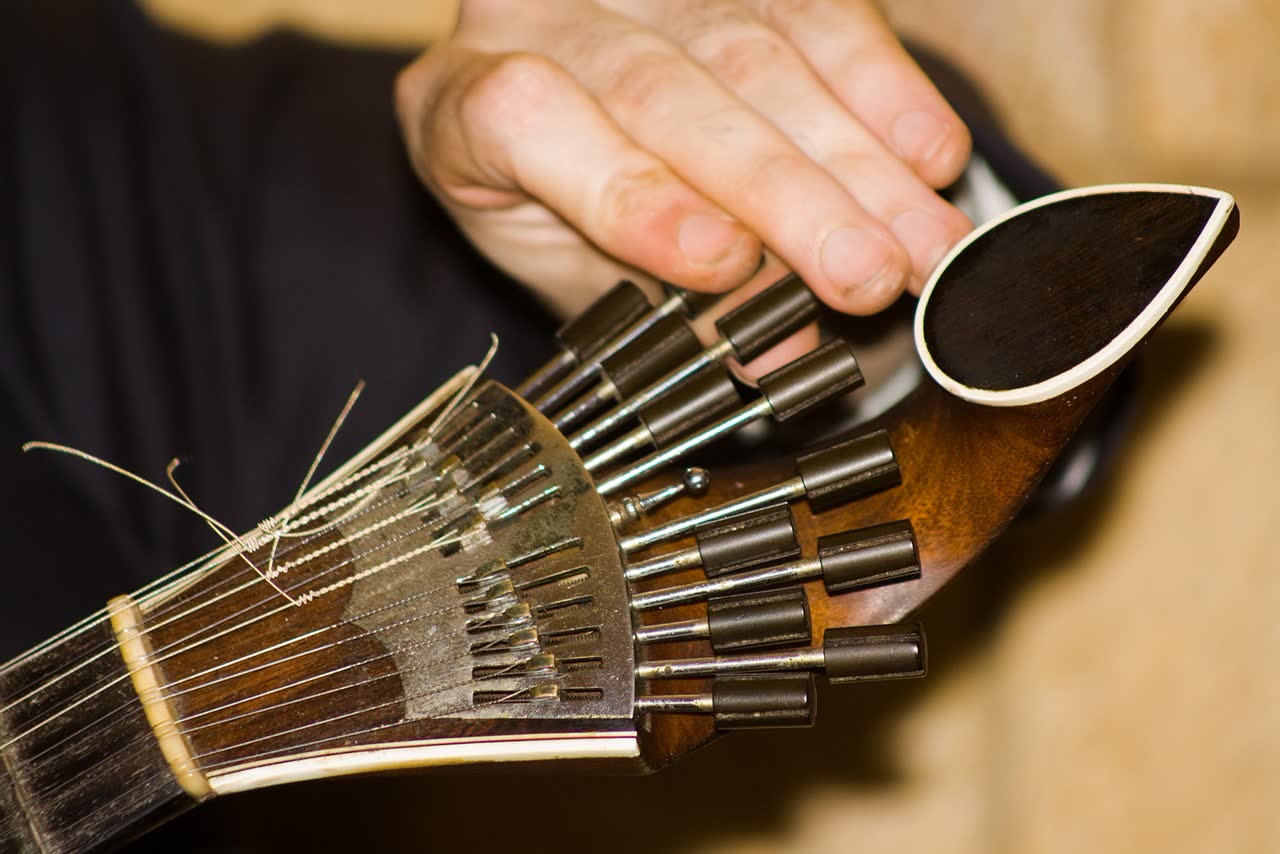
The Portuguese guitar is the pear-shaped instrument with 12 strings in six pairs, and it plays the bright, shimmering melody. The classical guitar (called the viola in Portugal) keeps the rhythm, and some houses add a bass guitar. Songs are short, usually three or four minutes, and a set is often three or four songs before the lights come back up.
Voices to listen to before you go
A few minutes with the classics will help you get more from a live night. Start with Amália Rodrigues, then try Carlos do Carmo, Camané and the modern stars Mariza, Ana Moura and Carminho. Amália is buried in the National Pantheon in Alfama, a measure of how much she means to the country.
Three ways to hear fado
1. Fado vadio: amateur nights in a tasca
“Vagabond fado”: locals, waiters and regulars take turns to sing in small taverns. It’s raw, emotional and great fun, and it’s cheap, as you just pay for food and drink. The catch: they’re tiny and get packed.
- Tasca do Chico (Bairro Alto): the most famous. Fado most nights from around 9pm, no reservations, so get there early or queue. There’s now a second branch in Alfama too, on Rua dos Remédios, with only a handful of tables and fewer fado nights, so check before you go.
- A Baiuca (Alfama): a tiny, much-loved family tavern with fado vadio over dinner. Book a week or two ahead.
At a vadio night, the person running the room usually calls for silence, introduces each singer and asks everyone not to interrupt. Anyone can be asked to sing, from a grandmother at the bar to a student with a big voice. Order a glass of wine or a ginjinha and settle in. See our ginjinha guide.
2. Casas de fado: dinner with professional fadistas
Proper fado houses with professional singers performing sets between courses. Expect roughly €50–70 per person for dinner, more with wine. Some offer a cheaper drinks-only option for the later sets, so ask when you book.
- Mesa de Frades (Alfama): in a former chapel covered in azulejo tiles. Intimate and atmospheric, and the late sets are magical.
- Clube de Fado (Alfama): stone arches, an old well and top performers, near the cathedral.
- Senhor Vinho (Lapa): a legendary house where many of the big names have sung.
- Parreirinha de Alfama: a classic family-run house since 1950.
- O Faia (Bairro Alto): a long-running, elegant fado restaurant.
Book ahead, especially at weekends, and check the current menu prices when you do.
Menus at fado houses are usually traditional: caldo verde soup, bacalhau (salt cod) in one of its many forms, grilled fish, and desserts like pudim or arroz doce. You’re paying for the music as much as the food, so don’t expect the best meal of your trip.
3. Fado shows: short and early
Not keen on a late, long dinner? Fado in Chiado is a 50-minute concert with a singer and two guitarists, Monday to Saturday in the early evening, for about €23. There’s a 7pm show all year and an extra 5:30pm show from April to October. Perfect for families, early sleepers or anyone who wants to hear fado before dinner. Many fado tours also combine a walk through Alfama with a live performance. See fado shows and tours.
The Fado Museum
The Museu do Fado in Alfama tells the story of fado, its singers and its guitars, with lots of recordings to listen to. It’s a great introduction before a night out. Tickets are €5 (free for under-12s). Open Tuesday to Sunday, 10am to 6pm, with last entry at 5:30pm.
It’s at Largo do Chafariz de Dentro, at the bottom of Alfama near the river, about ten minutes’ walk from Santa Apólonia metro station. Allow about an hour. Reduced tickets are available for young people and over-65s, and entry is free with the Lisboa Card. See is the Lisboa Card worth it?
Fado etiquette
- Silence when the lights dim. No talking, no clinking cutlery, and staff stop serving during songs. People will shush you!
- No flash photos, and keep videos short and discreet, if at all.
- Applaud between songs, not during.
- It starts late. Dinner sets begin around 8 or 9pm, and the best fado often comes after 11pm, when the regulars arrive.
- Kids: fine at early shows, but the long, late dinners can be hard for little ones.
- Dress code: there isn’t one, but smart casual fits in at the bigger fado houses.
Avoid the tourist traps
- Beware of touts on Alfama’s streets offering “fado tonight”. Some places have recorded music or a mediocre set menu at high prices.
- Check the minimum spend before you sit down. Many houses have one.
- Read recent reviews and book directly with the fado house.
- Check what’s on the bill: the couvert (bread, olives, butter) is charged if you eat it, so send it back if you don’t want it.
A fado evening in Alfama
Spend the late afternoon at the Fado Museum, then walk up through Alfama’s lanes to the Santa Luzia and Portas do Sol viewpoints for sunset. Have dinner at a fado house from around 8 or 9pm, or keep it cheap with petiscos and head to a vadio night later on. The streets are steep and uneven, so wear flat shoes, and plan a taxi or ride-hailing car home if you’re staying across town. See our Alfama guide.
Fado in Coimbra
Coimbra has its own style of fado, sung by men in student capes, more serenade than lament. If you visit, catch a show at Fado ao Centro. See our Coimbra guide.
FAQ
How much does a fado night in Lisbon cost?
At an amateur vadio night you only pay for what you eat and drink. A dinner at a casa de fado is roughly €50 to €70 per person, more with wine, and the 50-minute Fado in Chiado show is about €23.
Do you need to book fado in Lisbon?
Yes for the fado houses, especially at weekends, and for A Baiuca. Tasca do Chico in Bairro Alto doesn’t take reservations, so arrive early or be ready to queue.
What time does fado start?
Dinner sets usually begin around 8 or 9pm, and the best singing often comes after 11pm. Fado in Chiado runs Monday to Saturday at 7pm all year, plus 5:30pm from April to October.
Can children go to a fado show?
Yes. The early concerts suit families best, as late dinners are long and you have to stay silent during songs. Children up to 12 get into the Fado Museum free.
Plan your night
Make an evening of it: dinner in Alfama, then a drink in Bairro Alto. See our guide to Lisbon nightlife, the 3-day Lisbon itinerary and is Lisbon safe at night?
See also: Mouraria, the birthplace of fado and fado in Porto.
Some links in this guide are affiliate or referral links (GetYourGuide, Booking.com, Discover Cars, Welcome Pickups, Airalo, Yesim, Saily, Tiqets, Radical Storage, EKTA, AirHelp, Uber). If you book or sign up through them we may earn a small commission or ride credit at no extra cost to you. It helps keep our groups and this site free.
Still got questions?
Ask 305,000+ travellers and locals in our free Facebook groups.