
Trip guides / Getting around
Campervan and Motorhome Travel in Portugal
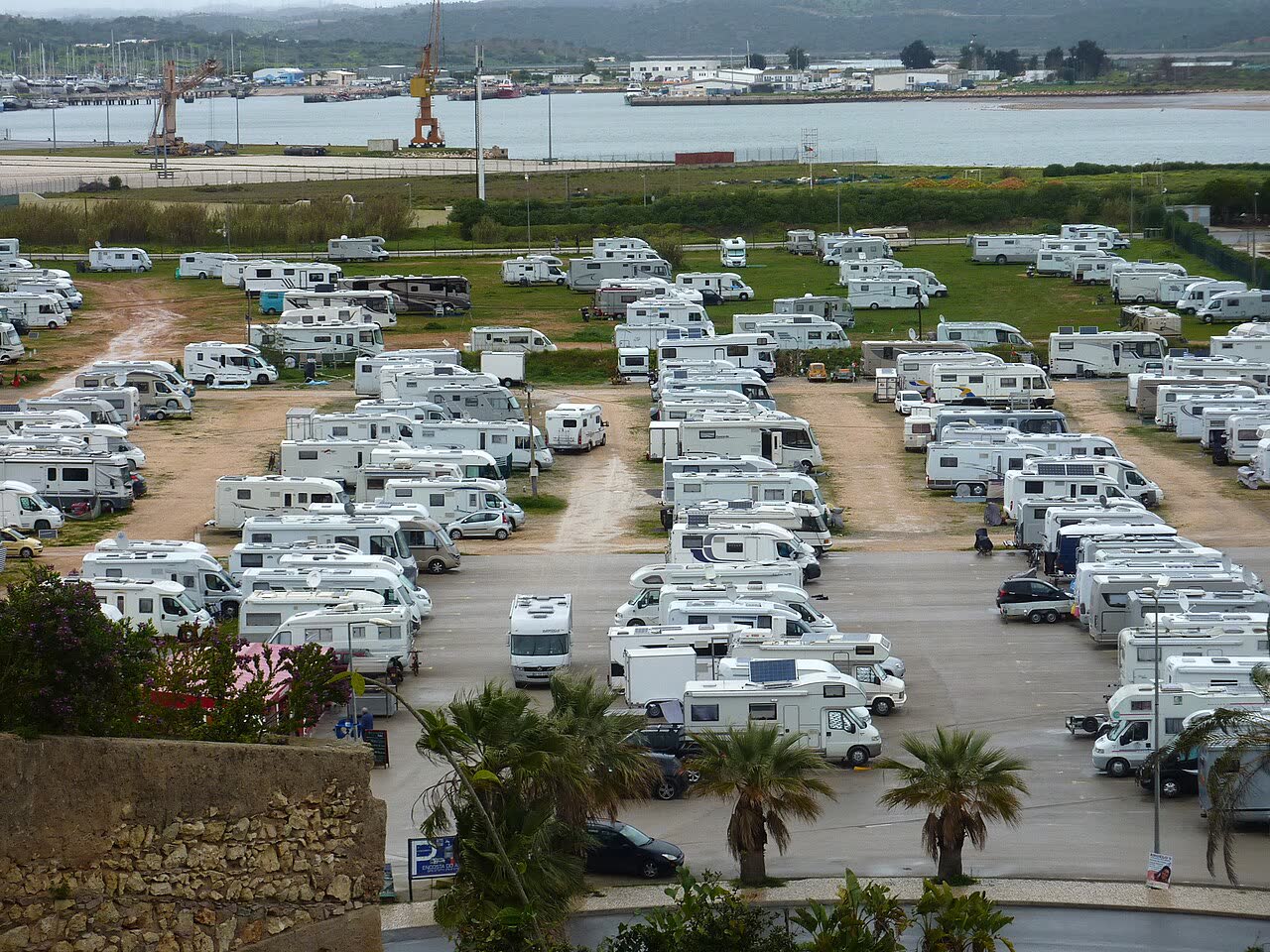
Touring Portugal by campervan is a dream trip: wild Atlantic beaches, vineyard valleys and mountain villages, all with your bed behind you. But Portugal has clear rules on where you can park overnight. Here’s how to plan a campervan trip, and stay on the right side of the law.
Quick answer: in protected areas, Natura 2000 sites and most of the coast, you can only spend the night in authorised places: campsites and official motorhome service areas (áreas de serviço para autocaravanas). Elsewhere, the law allows up to 48 hours in the same municipality, unless local signs or council rules say otherwise. Breaking the rules can bring fines. Popular routes include the Costa Vicentina, the Algarve, the Douro and Peneda-Gerês.
.jpg)
Why go by campervan
Portugal is compact, the roads outside the cities are quiet, and the climate lets you travel most of the year. A van lets you wake up near a surf beach one day and a hill village the next, without packing and unpacking. It works best for slow trips of a week or more.
It can also save money. A van covers your transport and your bed, and cooking for yourself with fresh produce from local markets keeps food costs down. The trade-off is time: parking, filling water and finding a legal spot each night all take planning.
The rules
The rules changed in 2021, when Law 66/2021 amended the Highway Code (Código da Estrada). They still apply in 2026. The key points:
- What counts as an overnight stay: a van with people inside parked between 10pm and 7am.
- Protected areas and the coast: in Natura 2000 sites, protected areas such as the Costa Vicentina natural park, and zones covered by coastal plans, overnight stays are only allowed in authorised places. Fines here are about €120 to €600.
- Everywhere else: unless a council rule or sign forbids it, you can stay up to 48 hours in the same municipality. Fines for breaking the general rules are about €60 to €300.
- Campsites and motorhome areas: no time limit applies in these authorised places.
- Parking by day: generally fine where parking is allowed, but don’t set up camp (awnings, chairs, tables or levelling blocks).
- Check local signs and apps for current restrictions, as many coastal councils add their own bans.
In practice, police and the GNR patrol popular beach car parks, especially in the Algarve and on the west coast. If you’re in doubt about a spot, move on to a campsite or service area.
Where to sleep
- Campsites: found all along the coast and in many inland towns. They have showers, laundry and electric hook-ups. See camping in Portugal.
- Motorhome service areas: many councils run areas with water, waste disposal and sometimes electricity. Some are free, others charge a small fee.
- Private aires: farms, vineyards and small private plots increasingly offer paid motorhome pitches, often with water and a view.
- Apps: motorhome apps and campsite directories list service areas and user reviews. Read recent comments, as local rules change.
- Winter discounts: some campsite cards offer lower off-season rates, which helps on longer winter stays in the Algarve.
Renting a van
- Where to pick up: most rental firms are based around Lisbon, Porto and Faro, which makes one-way trips between the three possible. Expect a one-way fee.
- Licence: a standard car licence (category B) usually covers vans and motorhomes up to 3,500 kg. Check the weight of the vehicle you book.
- What to check: insurance excess, mileage limits, whether a toll device is fitted, and what kitchen and bedding kit is included.
- Book early for summer and Easter, when the best vans go first.
Great routes
- The Costa Vicentina and western Algarve: surf beaches and clifftops. Most of this coast is protected, so plan on campsites. See Costa Vicentina and Sagres.
- The Douro Valley: the N222 and quintas. The roads are narrow and winding, so drive slowly. See the best road trips.
- The Alentejo: quiet roads and walled villages. See the most beautiful small towns.
- The north: Peneda-Gerês and the Minho. The national park is protected, so use campsites. See Peneda-Gerês.
- The interior: Serra da Estrela and the historic villages of the centre, with mountain roads and very little traffic. See the historic villages.
A sample two-week loop
- Days 1 to 3: Lisbon to the Silver Coast and Peniche.
- Days 4 to 6: inland to Coimbra, then the Douro Valley.
- Days 7 to 9: south through the Alentejo via Évora.
- Days 10 to 14: the Algarve and up the Costa Vicentina back to Lisbon.
Allow more time than you think. Mountain and village roads are slow, and you’ll want lazy mornings by the sea.
Tips
- Tolls: some motorways have electronic tolls only, and vans may pay a higher class than cars. Vehicles over 1.10 metres high at the front axle usually pay class 2. The A22 in the Algarve, the A23, A24 and A25, and the A4 beyond Amarante have been toll-free since 1 January 2025. See Portugal tolls explained.
- Narrow streets: avoid driving into old town centres. Park outside and walk in.
- Height limits: watch for height barriers at beach car parks and low bridges in villages.
- Water and waste: fill up and empty at service areas or campsites, never in nature.
- Gas: autogas (GPL) is sold at many fuel stations. Check your van’s fittings before you rely on it.
- Fires: in summer, open fires and barbecues are often banned because of wildfire risk.
- Season: spring and autumn are ideal, summer is busy and campsites fill up, and winter in the Algarve is mild.
- Prefer a car? See car rental.
FAQ
Is wild camping in a campervan legal in Portugal?
Only in limited cases. Outside protected areas and the coast, you can stay overnight for up to 48 hours in the same municipality unless signs or council rules forbid it. In protected areas, Natura 2000 sites and coastal plan zones, you must use a campsite or authorised service area.
What are the fines for illegal overnight parking?
About €60 to €300 under the general rules, and about €120 to €600 in protected areas and on the coast.
When is the best time for a campervan trip in Portugal?
Spring and autumn, when the weather is mild and campsites are quieter. Winter suits the Algarve, which stays mild and has many campsites open all year.
Do I need a special licence to drive a campervan?
Usually not. A standard car licence normally covers vehicles up to 3,500 kg, which includes most rental vans and many motorhomes.
More: camping in Portugal and driving in Portugal.
Prices and details change, so please double-check before you travel. Spotted something out of date? Tell us in the groups.
Still got questions?
Ask 305,000+ travellers and locals in our free Facebook groups.