
Trip guides / Day trips
Peneda-Geres National Park: Waterfalls, Villages and Hikes
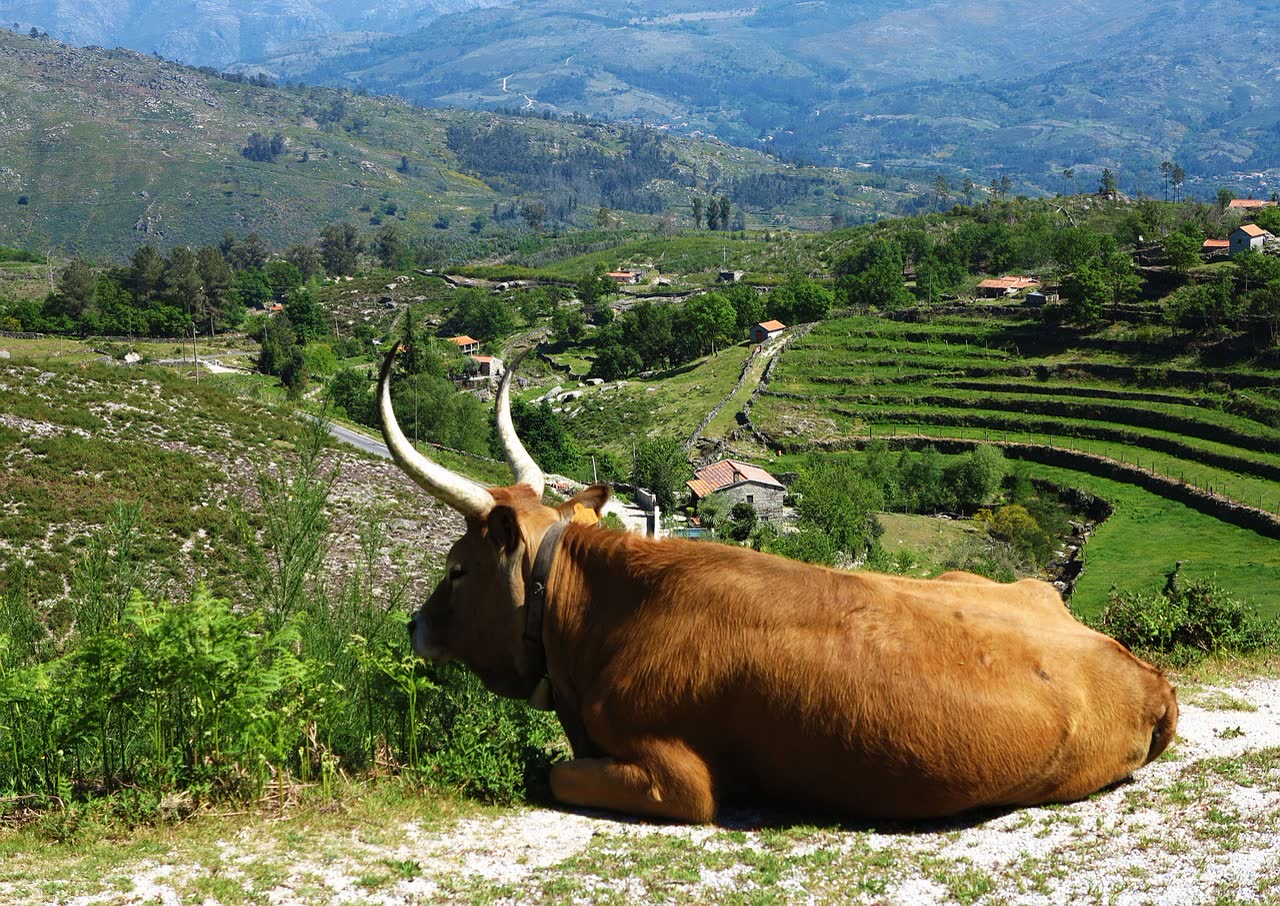
Peneda-Gerês is Portugal’s only national park, and a completely different side of the country: granite mountains, oak forests, waterfalls and emerald river pools, stone villages with ancient granaries, and wild horses grazing by the road. It’s about 1h30 from Porto and perfect for a few days of hiking, swimming and slow countryside life.
Quick answer: you really need a car. Base yourself in Gerês (Caldas do Gerês) or the villages of Soajo or Lindoso. Don’t miss the Arado and Portela do Homem waterfalls, the stone espigueiros of Soajo and Lindoso, and a swim in a river pool. In summer, a small €1.50 vehicle fee applies on the Mata da Albergaria forest road.
About the park
Created in 1971, the park stretches along the Spanish border in Portugal’s far north. It covers four mountain ranges (Peneda, Soajo, Amarela and Gerês) and is home to wolves, roe deer, golden eagles and the semi-wild garrano ponies, plus traditional villages where farming hasn’t changed much in centuries.
The park covers around 700 square kilometres in a horseshoe shape, and it continues across the border as Spain’s Baixa Limia-Serra do Xurés natural park. The highest peaks rise above 1,500 metres. The north (Peneda and Soajo) is wilder and quieter; the south around Gerês and the reservoirs is busier and has more places to stay.
Getting there and around
- By car: about 1h30 from Porto and 45 minutes from Braga. Mountain roads are narrow and winding, so allow plenty of time. See driving in Portugal.
- By bus: limited buses run from Braga to Gerês village, but you won’t reach most sights without a car.
- On a tour: day tours from Porto handle the driving and include waterfalls and villages. See Peneda-Gerês tours.
From Porto, take the A3 motorway towards Braga, then country roads north-east to Gerês. For Soajo and Lindoso in the north, it’s quicker to go via Ponte de Lima and Arcos de Valdevez. Fill up with fuel before you enter the park, as petrol stations are few, and expect cows, goats and garranos on the road around any bend. Phone signal is patchy, so download offline maps.
Where to stay
- Gerês (Caldas do Gerês): an old spa town with the most hotels and restaurants, and close to the best-known waterfalls.
- Soajo and Lindoso: stone villages in the north of the park. Great for rural houses and a quieter stay.
- Lakeside: the shores of the Canicçada reservoir have lovely hotels and villas with views.
See places to stay in Gerês. Book ahead for summer weekends, when the park fills with Portuguese families.
Two or three nights is a good amount of time: one day for the waterfalls and the Mata da Albergaria in the south, one for Soajo, Lindoso and the Peneda sanctuary in the north, and a slower day for a hike or the lakes. There are also official campsites in and around the park, including at Campo do Gerês.
Best things to see
Waterfalls and river pools
- Cascata do Arado: a series of cascades tumbling down a granite slope, with a viewpoint and pools above.
- Portela do Homem: a waterfall and crystal-clear pool about 500 metres from the old Spanish border post (park near the border and walk back). Very popular, so arrive early. Don’t park on the bridge (fines are steep).
- Pitões das Júnias: a remote village with a ruined medieval monastery and a beautiful waterfall in a gorge, reached on a short trail.
- Tahiti waterfall (Fecha de Barjas): on the Arado river near Ermida, stunning but slippery, with serious falls every summer. The authorities plan to ban swimming in the most dangerous pools, so use only the lower pools.
- Sete Lagoas: a separate chain of pools on the Cabril river near Xertelo (Montalegre), with frequent rescues. Take great care. See our Gerês waterfalls guide.
The river water is cold even in August, and most pools have no lifeguards. Wet granite is as slippery as ice, so don’t jump from rocks and keep children close. For an easier swim, the reservoirs have river beaches with facilities in summer.
Mata da Albergaria and the Roman road
An ancient oak forest crossed by the Geira, a Roman road with original milestones still standing beside it. In summer a vehicle fee of €1.50 per day applies to drive through it, with toll points at the entrances. The money goes to looking after the forest and trails.
In 2025 the fee was charged daily from June to mid-September, between 11am and 6pm, and paid to staff at the three entry points (Portela do Homem, Bouça da Mó and Portela de Leonte). Expect similar dates each summer: in 2026 the same €1.50 fee applied from June to September, again from 11am to 6pm, and residents of Terras de Bouro are exempt. You can’t stop or park along most of the forest road, so walking a section of the Geira from either end is the best way to see it.
Soajo and Lindoso espigueiros
Groups of stone granaries raised on stilts, topped with crosses, used for centuries to dry corn away from rodents. Soajo’s cluster on a granite outcrop and Lindoso’s, below its castle, are two of the most photogenic sights in northern Portugal.
Lindoso’s small medieval castle guarded the border with Spain and has views over the Lima valley. Both villages are about 30 minutes apart by road. See Soajo and Lindoso.
Peneda sanctuary
Deep in the north of the park, the Sanctuary of Nossa Senhora da Peneda sits at the foot of a huge granite cliff, with a long stairway of chapels in the style of Bom Jesus in Braga. Its pilgrimage in early September is one of the biggest in the region.
Vilarinho da Furna
A village drowned by a reservoir in 1972. In dry summers its stone walls rise out of the water, and a small museum in Campo do Gerês tells its story.
Viewpoints
Pedra Bela and the drive around the Canicçada reservoir give big views over the mountains and lakes.
Hiking
The park has many marked trails (trilhos), from short walks to waterfalls to full-day mountain hikes. Some longer routes in protected areas have restrictions or require a guide, so check with the park visitor centres before setting off. Bring water, good shoes and a map, and don’t rely on phone signal.
The park’s gateway visitor centres, called Portas (for example at Mezio and Campo do Gerês), have trail maps and current advice. Weather in the mountains changes fast: mist and rain can roll in even in summer, and heat on exposed granite is intense, so start early. See hiking in Portugal.
Responsible visiting
- Stay on the trails and don’t feed the horses or cattle.
- No fires and no wild camping: use official campsites.
- Take your rubbish home.
- Check fire risk warnings in summer, when some areas may be closed.
- Park only in marked areas: cars on narrow verges block emergency vehicles and are fined.
When to go
Late spring (May and June) for green hills, flowers and full waterfalls. Summer for swimming, but expect crowds at weekends. Autumn for beautiful colours. Winter is cold, wet and quiet, with snow on the high peaks.
If you can, visit midweek in July and August: the waterfalls and car parks are far quieter than at weekends. September is often the sweet spot, with warm water, fewer people and the Peneda pilgrimage.
Food
Hearty mountain cooking: cabrito (roast kid), Barrosã beef, smoked sausages, river trout and corn bread, with a glass of vinho verde.
Barrosã is a local breed of long-horned cattle, and its beef has protected status. Look for posta barrosã, a thick grilled steak, and honey from the mountains. In the small villages, check opening times ahead and don’t leave dinner too late, especially outside summer.
FAQ
Is there an entry fee for Peneda-Gerês National Park?
No. The park has no gates or entry tickets. The only regular charge is the €1.50 daily vehicle fee for the Mata da Albergaria forest road in summer, roughly June to September, between 11am and 6pm.
Can you swim in the waterfalls?
Many people do, in pools such as Portela do Homem, but the water is cold, there are no lifeguards and the rocks are very slippery. Don’t jump in. The council advises against swimming at the Arado waterfall, and swimming is due to be banned in the most dangerous Tahiti pools. Choose a reservoir river beach with facilities if you have children.
Can you visit Gerês without a car?
Only partly. Limited buses run from Braga to Gerês village, but most waterfalls and villages are out of reach without a car, so a day tour from Porto is the easiest option.
Can you camp anywhere in the park?
No. Wild camping and fires aren’t allowed, so use the official campsites, such as the one at Campo do Gerês.
More from the north
Combine the park with Braga and Guimarães, the Douro Valley, or see the best day trips from Porto.
See also: Soajo and Lindoso.
Some links in this guide are affiliate or referral links (GetYourGuide, Booking.com, Discover Cars, Welcome Pickups, Airalo, Yesim, Saily, Tiqets, Radical Storage, EKTA, AirHelp, Uber). If you book or sign up through them we may earn a small commission or ride credit at no extra cost to you. It helps keep our groups and this site free.
Still got questions?
Ask 305,000+ travellers and locals in our free Facebook groups.