
Trip guides / Outdoors
The Best Surf Camps and Surf Spots in Portugal
Portugal is one of Europe’s best places to learn to surf, with consistent Atlantic waves, mild weather and a huge choice of surf camps and schools. Here’s where to go and how to choose a surf camp.
Quick answer: the top surf regions are Ericeira (near Lisbon, a World Surfing Reserve), Peniche and Baleal (waves for all levels), the western Algarve (Sagres, Lagos, Aljezur) and the Lisbon coast (Carcavelos, Costa da Caparica). Surf camps include accommodation, daily lessons, boards, wetsuits and transport to the best beach of the day. See surf camps.
Why go
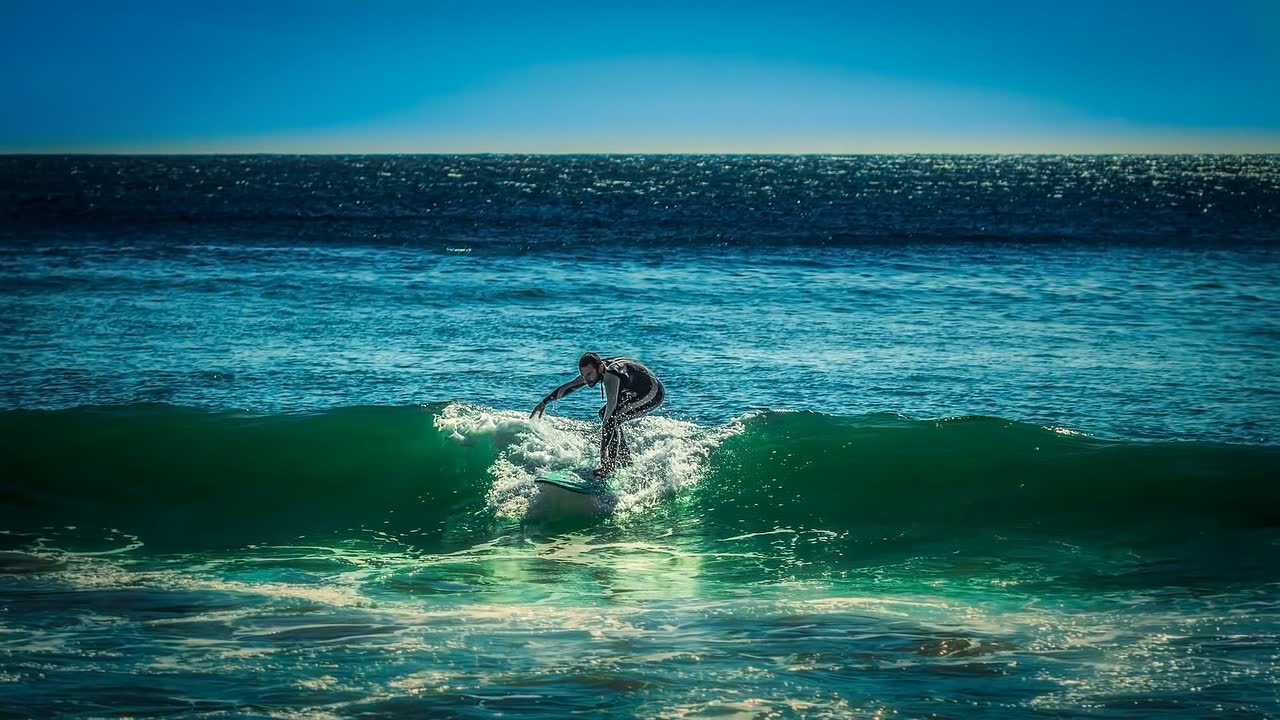
Portugal faces the open Atlantic, so swell arrives almost all year. The coast bends in many directions, which means instructors can usually find a sheltered beach when the wind is wrong. Add cheap food, easy flights and a long surf tradition, and it’s easy to see why so many people take their first lessons here.
Distances are short too. The main surf towns are all within about an hour or two of Lisbon, Porto or Faro airports, so you can fly in, take a transfer and be in the water the next morning.
Where to go, by level
Beginners
- Peniche and Baleal: beaches facing different directions, so there’s almost always a surfable wave. Baleal’s sandy bay is a classic learning spot. See Peniche.
- Near Lisbon: Carcavelos and Costa da Caparica for day lessons, both reachable by public transport. See Carcavelos and Costa da Caparica.
- Porto: Matosinhos for beginners, with soft waves and a city on the doorstep. See Matosinhos.
- The western Algarve: warmer weather, with Sagres catching swell on two coasts. See Sagres and Aljezur.
Intermediate and advanced
- Ericeira: reef and beach breaks, with a lively surf culture. In 2011 it became Europe’s first World Surfing Reserve, with seven named breaks along about 4km of coast: Pedra Branca, Reef, Ribeira d’Ilhas, Cave, Crazy Left, Coxos and São Lourenço. Many of the reefs suit confident surfers. See where to stay in Ericeira.
- Supertubos, Peniche: a powerful beach break that hosts a round of the World Surf League Championship Tour. The 2026 event is scheduled for October, though the date has moved between spring and autumn in recent years. Strictly for experienced surfers when it’s big.
- The Costa Vicentina: wild, exposed beaches with fewer crowds. See Costa Vicentina.
Watching, not surfing: Nazaré
Nazaré’s Praia do Norte has some of the biggest waves ever surfed, but it is no place to learn. Go to watch from the lighthouse on a big winter swell, and take your lessons somewhere else.
What a surf camp includes
Most camps offer week-long packages with a bed in a shared or private room, breakfast and some dinners, daily lessons of a few hours, and all equipment. A van takes you to the beach with the best conditions that day. Many also offer yoga, skate sessions or video analysis of your surfing. Day lessons from a surf school are a good option if you only want to try it once.
A typical day
- Morning: breakfast, then a short theory talk on the day’s conditions and safety.
- Late morning: a two to three hour lesson, starting in white water and moving to small green waves as you improve.
- Afternoon: free time for the beach, a nap or a second surf with rental gear.
- Evening: a shared dinner, video review or a night out in town.
Camp, surf house or day lessons?
A full camp suits solo travellers and complete beginners who want everything arranged. A surf house or hostel with lessons is cheaper and more flexible. If you’re on a city break in Lisbon or Porto, a single lesson at Carcavelos or Matosinhos is enough to find out whether you like it.
Choosing a surf camp
- Level: make sure lessons match your ability, and ask whether groups are split by level.
- Group size: smaller groups mean more coaching. Ask about the student-to-instructor ratio.
- Qualified instructors: look for certified coaches and a licensed school.
- Vibe: some camps are social and lively, others focus on yoga and relaxation.
- Included: check whether meals, transport and equipment are included.
- Location: a camp in town means cafes and nightlife; a rural one means quiet and nature.
- Reviews: read recent reviews for comments on coaching, not just the house and the parties.
When to go
Spring and autumn offer good waves and pleasant weather for learners. Summer is smaller and gentler, ideal for beginners, but beaches are busy. Winter brings big swells, best for experienced surfers. The water is cool all year, so you’ll wear a full wetsuit, thicker in winter. See surfing in Portugal.
- Summer (June to August): the warmest air, the smallest waves and the most people in the water. Book camps early.
- Autumn (September to November): often the best all-round season, with warm-ish water, cleaner swell and quieter beaches.
- Winter (December to February): powerful swells and cold water. Camps still run, and beginners use sheltered spots.
- Spring (March to May): good waves and lower prices, but the water is at its coldest early in the season.
Practical tips
- Sun: use waterproof sun cream, even on cloudy days.
- Respect the line-up: learn the basic right-of-way rules and stay out of the way of local surfers.
- Getting there: Ericeira is under an hour from Lisbon by car, and Peniche about an hour or a little more, with regular buses to both; the western Algarve is easiest from Faro airport.
- Fitness: paddling is tiring, so build in a rest day on longer stays.
- Flags and currents: listen to your instructor about rip currents, and respect lifeguard flags on supervised beaches.
FAQ
Where is the best place to learn to surf in Portugal?
Peniche and Baleal are the classic choice, because beaches face different directions and there’s almost always a sheltered wave. Ericeira, the Lisbon coast and the western Algarve also have plenty of schools for beginners.
Do you need a wetsuit to surf in Portugal in summer?
Yes. The Atlantic stays cool all year, so most surfers wear a full wetsuit even in summer, and a thicker one in winter. Camps and schools include wetsuits in their prices.
How long does it take to learn to surf?
Most beginners stand up in white water within the first few lessons. A week of daily lessons is usually enough to start catching small green waves on your own.
Can you learn to surf near Lisbon without a car?
Yes. Carcavelos and Costa da Caparica both have surf schools and can be reached by public transport from the city, and buses run from Lisbon to Ericeira.
More: Nazaré’s big waves and solo travel in Portugal.
See also: Arrifana Beach.
Some links in this guide are affiliate or referral links (GetYourGuide, Booking.com, Discover Cars, Welcome Pickups, Airalo, Yesim, Saily, Tiqets, Radical Storage, EKTA, AirHelp, Uber). If you book or sign up through them we may earn a small commission or ride credit at no extra cost to you. It helps keep our groups and this site free.
Still got questions?
Ask 305,000+ travellers and locals in our free Facebook groups.