
Trip guides / Planning
Sustainable Travel in Portugal
Portugal is a great destination for lower-impact travel, with good trains, long-distance walking trails, local food, and protected natural parks and islands. Here are practical ways to travel more sustainably in Portugal.
Quick answer: travel between cities by train, explore on foot or by bike, choose locally owned guesthouses and restaurants, visit in spring or autumn to avoid overcrowding, carry a refillable water bottle (tap water is safe), choose responsible wildlife operators, and stay on marked trails in natural parks.
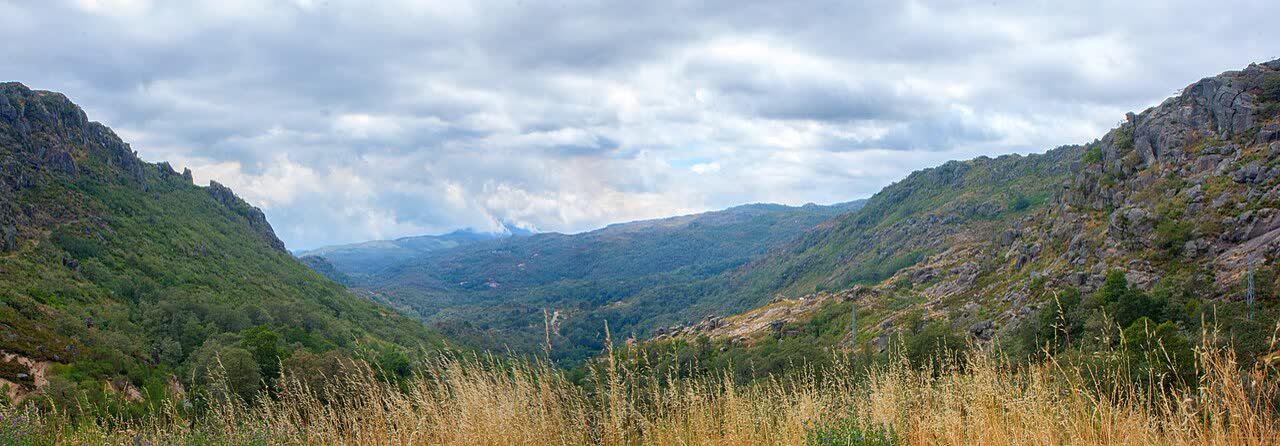

Why Portugal works for lower-impact travel
Portugal is compact. The main cities sit on one rail line, many towns are walkable, and the food culture is built on local, seasonal produce. Lisbon was European Green Capital in 2020, and in 2019 the Azores became the first archipelago certified as a sustainable destination by EarthCheck. You don’t need to give anything up to travel lightly here. Most of the low-impact choices are also the cheapest and most enjoyable.
Getting around
- Trains: link Lisbon, Porto, Coimbra, the Algarve and many towns. Lisbon to Porto takes about three hours on the fastest trains. See the train guide.
- Buses: coaches fill the gaps where there’s no railway. See Portugal by bus.
- Car-free travel: see Portugal without a car.
- City transport: Lisbon and Porto both have metros, trams and buses. Walking is often quickest in the old centres.
- Cycling: shared bikes in Lisbon, and flat coastal routes such as the Ecovia in the Algarve. See cycling in Portugal.
- Walking: the Rota Vicentina and the Camino. See hiking in Portugal.
- Fewer flights: if you only have a week, pick one or two regions rather than adding a flight to Madeira or the Azores. Save the islands for a separate, longer trip.
Greener trains in the Algarve
The whole Algarve railway, from Lagos to Vila Real de Santo António, has been electrified since July 2026, and electric trains have replaced the old diesel ones. Some regional trains now run straight through between Lagos and Vila Real de Santo António without a change in Faro. It’s an easy way to hop between beach towns without a hire car. See getting around the Algarve.
Arriving overland
If you’re coming from elsewhere in Europe, you can reach Portugal by train or coach through Spain. Coaches run from Spanish cities such as Seville and Madrid, and rail passes such as Interrail cover CP trains, though fast trains still need a paid seat reservation.
Where to stay and eat
- Local guesthouses and family-run quintas keep money in the community.
- Rural tourism: farm stays and restored village houses are common in the Alentejo, the Douro and the Minho.
- Seasonal, local food: markets, fish from local boats and regional wines. Daily set lunches (prato do dia) in local restaurants use what’s in season. See Algarve markets.
- Fish: sardines in summer and other small local fish are a good choice. Ask what’s fresh today.
- Eco-stays: see glamping in Portugal.
- Ask questions: look for places that explain how they save water and energy, rather than relying on a green label alone.
- Tourist taxes: Lisbon, Porto and many other towns add a small charge per person per night. The money helps pay for the extra pressure visitors put on local services.
Responsible activities
- Wildlife: choose operators that follow distance rules for whales and dolphins and limit time with each group. See whale watching in the Azores.
- Protected areas: stay on trails and take your litter home. In places like Peneda-Gerês and the Ria Formosa, respect closed areas for nesting birds.
- Island walks: on Madeira’s levadas and mountain trails, stick to open, marked routes. Most official trails now need to be booked and paid for in advance on the regional SIMplifica system, usually about €4.50, or about €10.50 for the popular PR1 from Pico do Arieiro to Pico Ruivo. See Madeira levada walks.
- The Berlengas: these protected islands off Peniche limit visitors to 550 at a time, and you need to register online before you go. Book your boat early in summer. See the Berlengas.
- Sea caves: at Benagil, swimming to the cave and landing on its beach have been banned since August 2024. Visit by boat, or by kayak with a licensed guide.
- Beaches and dunes: use the boardwalks. The dunes along much of the coast are fragile and protect the beaches behind them.
- Fire safety: follow summer fire bans. Wildfires are a serious risk in rural Portugal from early summer to autumn, so never light barbecues or drop cigarettes outdoors.
- Water: tap water is safe. Parts of the south have dry summers, so keep showers short. See is tap water safe?
Travel off-peak
Visiting outside July and August eases pressure on popular places like Sintra and the Algarve, and it’s often more pleasant. Spring brings wildflowers and green hills, while September and October still have warm seas. In Sintra, start early and book palace tickets ahead to spread out the crowds. Pena Palace tickets are sold for a set date and time, and private cars can’t drive up to the palace, so arrive by train and use the local bus or walk. See the best time to visit Portugal.
Spend locally
- Souvenirs: buy cork, ceramics, tinned fish and textiles from the people who make them rather than mass-produced imports.
- Guides: local guides and small tour companies keep more of what you pay in the area.
- Smaller places: spending a night in a quieter town spreads the benefits of tourism beyond the hotspots.
- Markets: weekly town markets are a good place to buy fruit, cheese and bread straight from local producers.
FAQ
Is Portugal a good country for sustainable travel?
Yes. It’s compact, the main cities are linked by train, and local, seasonal food is the norm. The Azores were the first archipelago certified as a sustainable destination by EarthCheck.
Can you drink the tap water in Portugal?
Yes, tap water is safe to drink across mainland Portugal and the islands, so bring a refillable bottle.
Do you have to pay to walk Madeira’s trails?
For most official trails, yes. You book online through SIMplifica, usually for about €4.50, or about €10.50 for PR1.
Is there a limit on visitors to the Berlengas?
Yes. No more than 550 people can be on the islands at a time, and you must register online in advance.
More: wildlife in Portugal and Portugal’s hidden gems.
Prices and details change, so please double-check before you travel. Spotted something out of date? Tell us in the groups.
Still got questions?
Ask 305,000+ travellers and locals in our free Facebook groups.