
Sao Joao Festival in Porto (23 June)
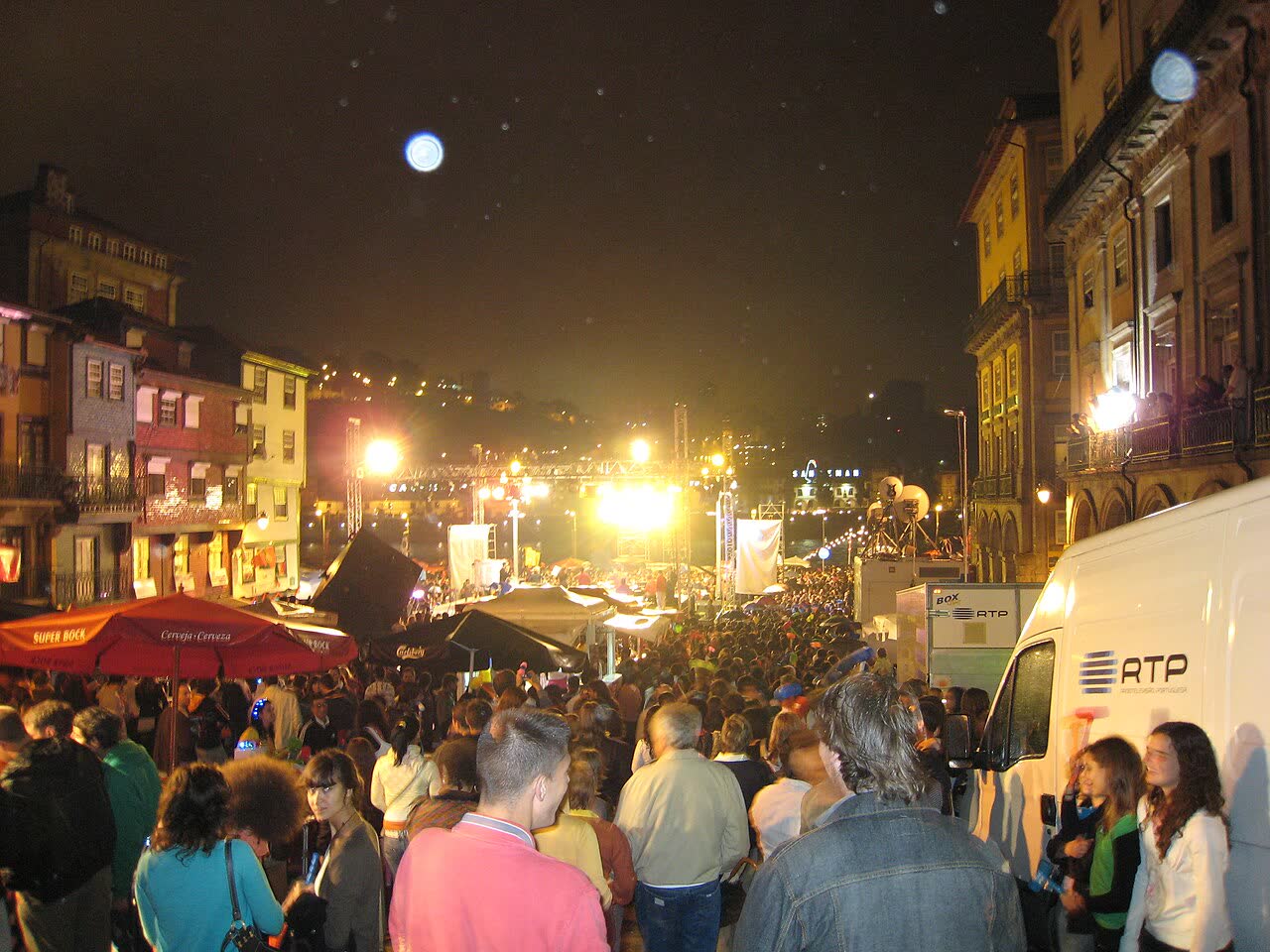
São João is Porto’s wildest night of the year. On 23 June, the whole city takes to the streets to celebrate Saint John: hitting each other on the head with plastic hammers, grilling sardines, dancing, and watching fireworks over the Douro at midnight. Here’s how to join in.
Quick answer: the party is on the night of 23 June, into the 24th. Buy a plastic hammer, eat grilled sardines, head to Ribeira or the riverside for the midnight fireworks, then follow the crowds towards Foz to watch the sunrise. On 24 June, a rabelo boat regatta takes place on the river. Book accommodation months ahead.
.jpg)
Why go
Most festivals have a stage and a crowd watching it. São João is different: the whole city is the stage. Grandmothers, students, families and visitors all spill into the streets together, and strangers bop you on the head with a hammer as a friendly greeting. If you want to see Porto at its most open and joyful, this is the night.
It is also one of the oldest popular festivals in Portugal. It began as a midsummer celebration around the shortest night of the year and later took on Saint John’s name. Many of the customs, such as fire, herbs and staying up until dawn, come from those midsummer roots.
When it happens
The main night is always 23 June, running through to the morning of 24 June, Saint John’s Day. The city usually builds up to it across June, with decorated streets, local parties and concerts in the days before. Check the city council’s programme at porto.pt for this year’s events.
On the night itself, the city usually puts on free concerts on stages in the centre, including the Avenida dos Aliados, before the fireworks. Line-ups are announced a few weeks ahead.
Traditions
- Plastic hammers: everyone taps strangers on the head with squeaky hammers. It’s all in good fun. You can buy them from street sellers all over the city.
- Leeks and basil: older traditions include waving garlic leeks and giving pots of basil. The small basil pots (manjericos) often carry a paper flower and a little rhyming verse.
- Sardines and caldo verde: street grills everywhere.
- Cascatas: miniature scenes of saints, villages and everyday life, built by neighbourhoods and shops and decorated with moss and figurines.
- Paper balloons: traditionally, coloured paper hot-air balloons with a small flame are released into the night sky. Because of the fire risk, launching them is tightly controlled. In some years it is only allowed during a set window on the night, and in high fire-danger years it is banned, with heavy fines. Check the rules for the year, or simply watch.
- Fireworks: a display of around 12 minutes over the river at midnight, between the Dom Luís I and Arrábida bridges.
- Dancing till dawn: people walk west along the river to the beaches at Foz to see the sunrise.
- The rabelo regatta: port wine boats race on the Douro on 24 June. In 2026 it started from Cabedelo, at the river mouth, at 11:30am and finished at the Dom Luís I Bridge around 12:30pm.
What to eat and drink
- Grilled sardines: served on a slice of bread that soaks up the juices. See Portuguese sardines.
- Caldo verde: green cabbage and potato soup with a slice of chouriço. See caldo verde.
- Grilled pork and bread rolls: sold from street stalls alongside the fish.
- Drinks: cold beer, wine and sangria from pop-up bars. Carry water too, as it’s a long, warm night.
Street food is cheap and part of the fun, so there’s no need to book a restaurant. If you do want a sit-down dinner, book well ahead and eat early, as many kitchens close once the street party takes over. See what to eat in Porto.
Where to go
- Ribeira and the riverside: the heart of the party and the best place for the fireworks. See Ribeira.
- Fontainhas: a traditional neighbourhood party on the hillside above the river.
- Miragaia and the old streets: smaller, local parties with grills, music and decorated lanes.
- Gaia: fireworks views from across the river. See Gaia.
- Foz: for sunrise. See Foz do Douro.
A suggested plan for the night
Have a late lunch and rest in the afternoon. Around 8pm, head into the centre, buy a hammer and a basil pot, and eat sardines at a street grill in one of the old neighbourhoods. By 11pm, find your spot on the riverbank in Ribeira or Gaia for the midnight fireworks. Afterwards, join the crowds dancing along the river, and if you still have energy, walk west to Foz for sunrise. The next day, watch the rabelo regatta from the riverside around midday.
Getting around on the night
- Metro: the metro usually runs a reinforced, extended service through the night. In 2026, metro trains stopped crossing the Dom Luís I Bridge from 11:30pm to 1am for the fireworks, and the Aliados and São Bento stations were closed from 10pm, so check the year’s plan before you rely on a station. See Porto public transport.
- Roads: many streets in the centre and along the river close to traffic, and taxis and ride-hailing cars struggle to reach the crowds.
- Walking: the easiest way to get about. Ribeira to Foz is roughly 5 km along the river.
Tips
- Crowds: enormous, so keep valuables secure and agree a meeting point. Phone signal can be patchy in the busiest spots.
- Shoes: plan to walk a lot, and wear comfortable shoes.
- Arrive early for the fireworks: the riverbanks fill up well before midnight.
- Book early: it’s the busiest night of the year. See the best hotels in Porto.
- 24 June is a public holiday in Porto, so expect closures.
- Join in: nobody minds a hammer tap, and it’s polite to tap back.
FAQ
What date is São João in Porto?
The big night is always 23 June, going on into the morning of 24 June, which is a public holiday in Porto.
What time are the São João fireworks?
At midnight, over the Douro between the Dom Luís I and Arrábida bridges. They last around 12 minutes.
Why do people hit each other with hammers?
It’s a friendly greeting. The squeaky plastic hammers replaced the older custom of tapping people with garlic leeks.
Is São João safe?
The mood is friendly and family-oriented, but the crowds are huge. Watch for pickpockets and agree a meeting point with your group.
More: the Portugal festivals calendar, Santo António in Lisbon and Porto nightlife.
Prices and details change, so please double-check before you travel. Spotted something out of date? Tell us in the groups.
Still got questions?
Ask 305,000+ travellers and locals in our free Facebook groups.