
The Ribeira, Porto: What to See and Do
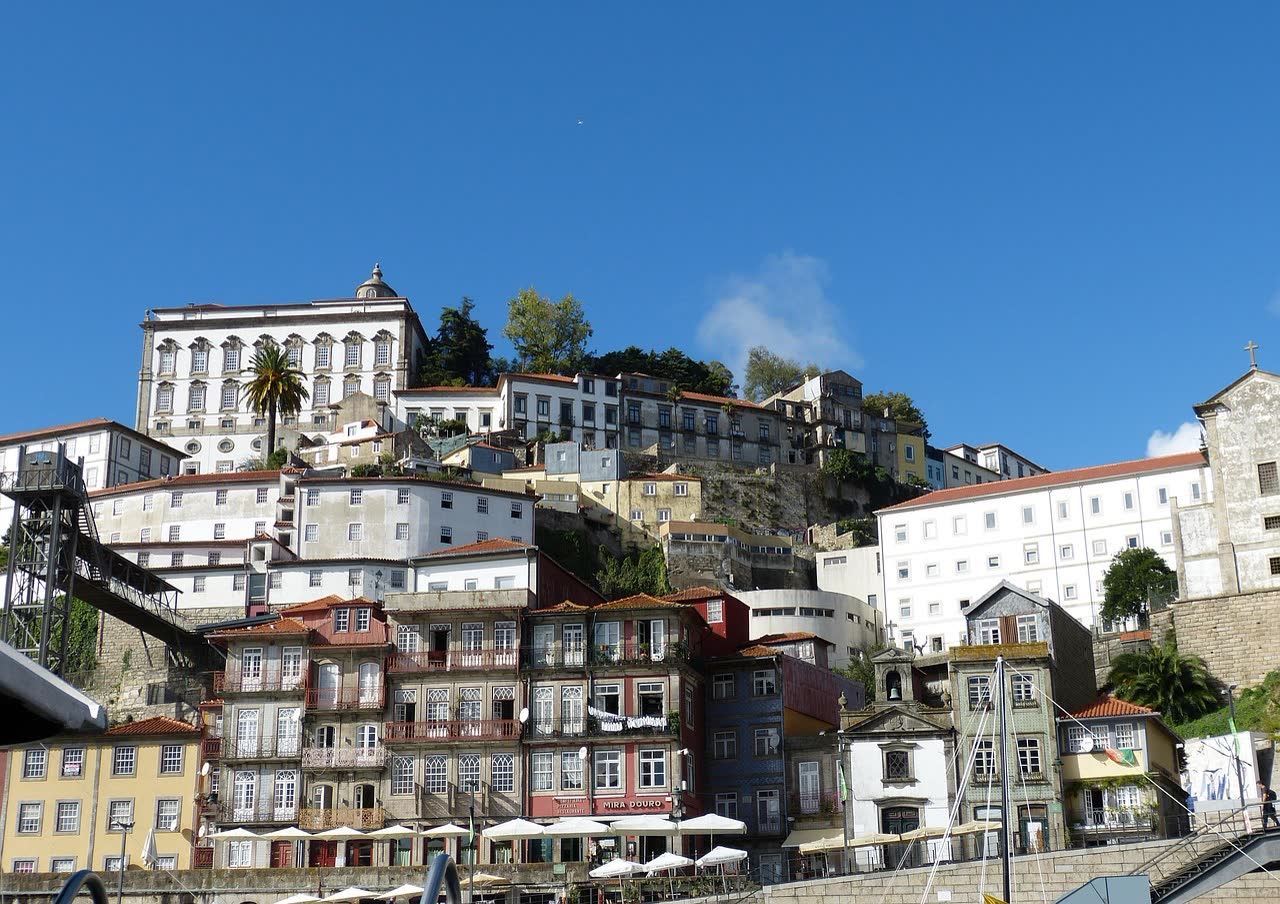
The Ribeira is Porto’s postcard: tall, colourful houses stacked up the hillside, washing hanging from iron balconies, rabelo boats on the river and the great D. Luís I bridge overhead. It’s part of Porto’s UNESCO World Heritage centre and the heart of any visit. Here’s how to enjoy it.
Quick answer: walk the Cais da Ribeira waterfront, explore the steep lanes behind it, tour the Palácio da Bolsa (€14) and the golden Igreja de São Francisco, take a six bridges cruise (€18–20), then cross the bridge to Gaia for port and the classic view back. Eat away from the waterfront for better value.
Why go
This is the oldest part of Porto and the place most people picture when they think of the city. The riverfront was a busy trading quay for centuries, and the historic centre, Ribeira included, was listed by UNESCO in 1996. Today it mixes tourist terraces with real neighbourhood life: old ladies chatting from windows, laundry above the alleys and fishermen’s tavernas on the corners. Even a short walk here gives you a feel for the whole city.
Things to do
- Cais da Ribeira: the riverside promenade lined with cafés, buskers and boats. Start at Praça da Ribeira, the small square by the water, and walk east towards the bridge.
- The lanes: climb the narrow alleys and staircases behind the waterfront for a glimpse of everyday life. Allow 30–45 minutes to wander without a plan.
- Palácio da Bolsa: the 19th-century stock exchange and its dazzling Arab Room, by guided tour only (€14). Tours last about 30 minutes and run in Portuguese, English, Spanish and French, usually from 9am to 6:30pm. You can buy tickets online or at the door, but book ahead in summer. See the Palácio da Bolsa guide.
- Igreja de São Francisco: a Gothic church with a jaw-dropping gilded baroque interior, plus a small museum and catacombs (usually under €10). Allow 30–40 minutes.
- Casa do Infante: the medieval building said to be the birthplace of Prince Henry the Navigator, now a small city museum a few steps from the river. Built in 1325, it later served as the customs house and mint, and digs here found Roman mosaic floors. It’s usually open Tuesday to Sunday, 10am to 5:30pm.
- Six bridges cruise: 50 minutes on a rabelo-style boat (€18–20). See cruises, or read our six bridges cruise guide.
- The Guindais funicular: links the Ribeira with the upper town near Batalha, saving a steep climb. It was suspended in July 2026 for safety recertification, so check it’s running before you rely on it. The Guindais steps beside the old city wall are the walking alternative.
- Ponte D. Luís I: opened in 1886, the iron bridge has two decks. Walk the lower deck to Gaia, and the top deck for the views. The lower deck has been closed to private cars since 2023, which makes the crossing more pleasant on foot. The top deck carries the metro and pedestrians.
Getting there
- On foot: from São Bento station it’s about 10 minutes downhill via Rua das Flores or Rua de Mouzinho da Silveira. Walking back up is the hard part.
- Metro: São Bento (line D) is the nearest stop on the north side. Jardim do Morro, across the top deck of the bridge, is handy for the Gaia side.
- Tram 1: the historic tram starts near Infante, at the western end of the Ribeira, and runs along the river towards Foz. See Porto public transport.
- Driving: don’t. The streets are narrow and steep, and parking is scarce. Use a car park higher up and walk down.
A half-day route
Start at São Bento and walk down Rua das Flores. Tour the Palácio da Bolsa and São Francisco next door, then drop to the Cais da Ribeira for a coffee. Take a six bridges cruise from the quay, walk across the lower deck to Gaia for a port tasting, and finish on the top deck or at the Jardim do Morro for sunset. That’s about four to five hours at an easy pace.
Food and drink
- The waterfront restaurants have great views but higher prices; a street or two back is better value.
- Try: grilled sardines, bacalhau, a francesinha or tripas. See what to eat in Porto.
- Snacks: a bifana or a pastel de nata from a back-street café makes a cheap lunch.
- Port: across the river in Gaia. See Vila Nova de Gaia.
When to go
Spring and early autumn are the most comfortable. Summer is busy and hot on the hills, so go early in the morning or in the evening. The biggest night of the year is São João on 23 June, when the whole riverfront fills up and fireworks go off over the river. See the São João festival. Winter is quieter and often wet, but the Ribeira still looks lovely in the low light.
Photos
The best view of the Ribeira is from across the river in Gaia, in the late afternoon light. From the Ribeira side, look up at the houses from the waterfront and down from the bridge’s top deck. See Porto’s best photo spots.
Practical tips
- Shoes: wear flat shoes with grip. The cobbles are steep and slippery when wet.
- Pickpockets: keep an eye on bags in crowds on the quay and the bridge.
- Book ahead: the Bolsa and cruises are busiest from late morning.
- Mondays: Casa do Infante is closed, so plan museum visits for another day.
Staying in the Ribeira
Atmospheric and central, but hilly and lively at night. Try Pestana Vintage Porto on the square or Hotel Carris Porto Ribeira, or browse Ribeira stays. See where to stay in Porto.
FAQ
How long do I need in the Ribeira?
Half a day covers the waterfront, the Bolsa, São Francisco and a six bridges cruise. Add an evening for sunset from Gaia and dinner.
How do I get up from the Ribeira now the funicular is closed?
Walk up Rua das Flores to São Bento (about 15 minutes uphill) or take the Guindais steps to Batalha. Otherwise, cross the lower deck to Gaia and take the cable car up to the Jardim do Morro metro stop.
Do I need to book the Palácio da Bolsa?
It’s wise in summer. Visits are by 30-minute guided tour only, and places on each language’s tours are given out first come, first served.
More: things to do in Porto and Porto in one day.
See also: the Dom Luis I Bridge, Miragaia, the best restaurants in Porto, Porto’s historic trams, parking in Porto and São Francisco church.
Some links in this guide are affiliate or referral links (GetYourGuide, Booking.com, Discover Cars, Welcome Pickups, Airalo, Yesim, Saily, Tiqets, Radical Storage, EKTA, AirHelp, Uber). If you book or sign up through them we may earn a small commission or ride credit at no extra cost to you. It helps keep our groups and this site free.
Still got questions?
Ask 305,000+ travellers and locals in our free Facebook groups.