
Trip guides / Planning
Portugal Packing List: What to Bring in Every Season
Packing for Portugal is mostly about two things: comfortable shoes for the hills and cobbles, and layers for the Atlantic breeze. Here’s our Portugal packing list, from parents who live here, with tips for each season and for families.
Quick answer: bring comfortable shoes with grip (the cobbles are slippery), layers and a light jacket (evenings and coasts are cooler than you think), sun protection, a swimsuit, a day bag that zips, a reusable water bottle, and a European plug adapter (types C and F, 230V). In winter, add a waterproof and warm layers for chilly houses.

Why packing for Portugal is different
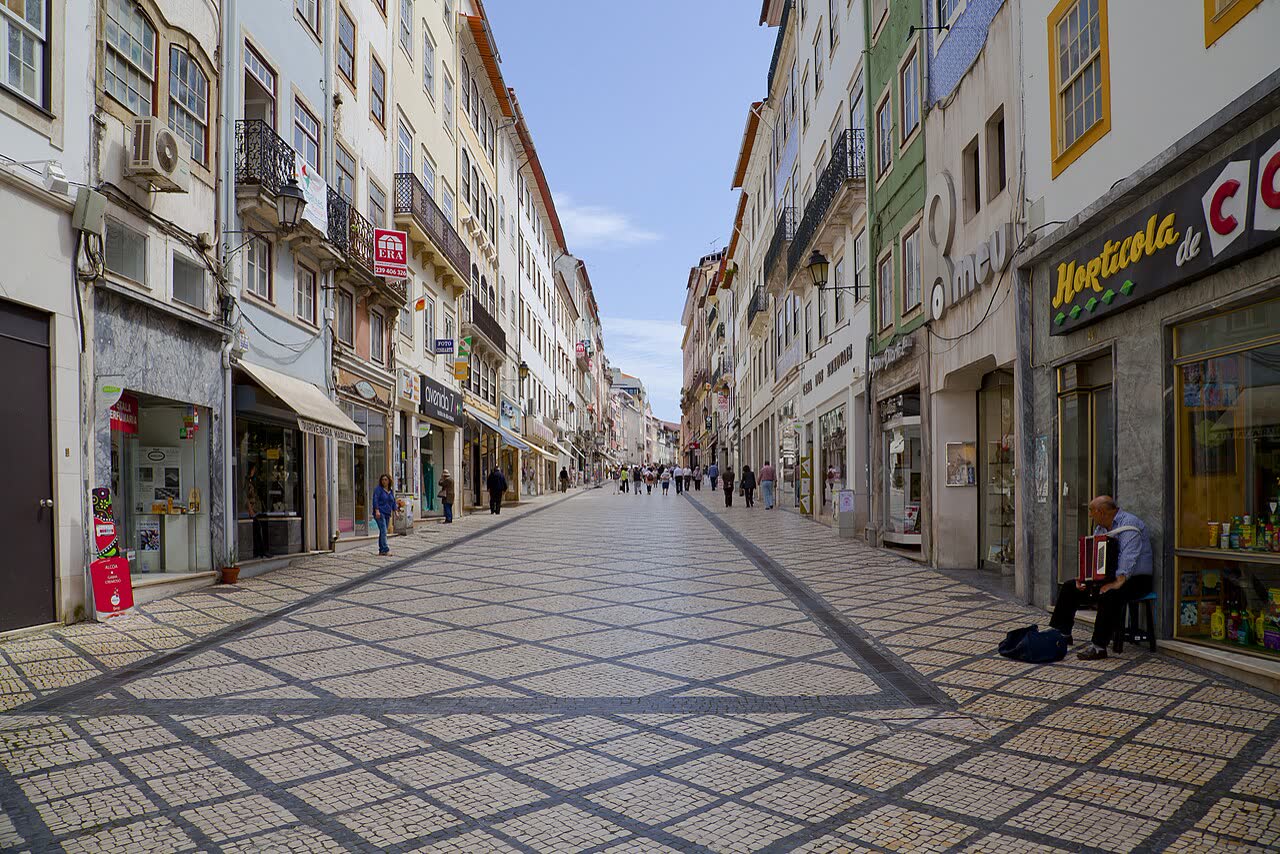
Portugal looks like a hot Mediterranean country, but most of it faces the Atlantic. That means cool sea breezes, chilly evenings by the coast and a sea that’s colder than you expect, even in August. Cities like Lisbon and Porto are built on steep hills paved with smooth limestone cobbles (calçada), which turn slippery when wet. Pack for walking and for layers, and you’ll be fine in almost any season.
The essentials
- Shoes: trainers or walking shoes with good grip. Lisbon and Porto’s polished cobbles are slippery, especially when wet. Leave the heels at home.
- Layers: a light jumper or jacket, even in summer, for windy coasts and cool evenings.
- Sun protection: sun cream, sunglasses and a hat. The sun is strong, and the breeze hides it. Sun cream is easy to buy in supermarkets and pharmacies if you run out.
- Swimsuit and a quick-dry towel: for the beach, pools and hot springs.
- A secure day bag: one that zips, for crowded trams and viewpoints. See is Portugal safe?
- Plug adapter: Portugal uses the European two-pin plug (types C and F), 230V. Most phone and laptop chargers handle 230V, but check hair dryers and straighteners from the US.
- Reusable water bottle: tap water is safe to drink. See is tap water safe in Portugal?
- Documents: passport or ID, travel insurance, driving licence if hiring a car. If you’re from outside the EU, expect to give fingerprints and a photo at the border: the EU’s Entry/Exit System replaced passport stamps in April 2026. ETIAS, the online travel authorisation, hasn’t started yet and is now expected in 2027. See entry requirements.
- Medicines: bring enough of any prescription medicine for the trip, in its original packaging. Pharmacies are excellent for minor problems.
- Blister plasters: you’ll walk far more than you think on the hills.
By season
Spring (March to May)
Layers, a light waterproof and a mix of short and long sleeves. March and April can still bring cool, showery days, especially in Porto and the north, while May often feels like early summer in the Algarve. See Portugal in spring.
Summer (June to August)
Light, breathable clothes, a sun hat and a light layer for the evening breeze, plus a cover-up for churches. Inland places like Évora and the Douro Valley can be very hot, so pack loose cotton or linen. Coastal towns such as Porto, Nazaré and Ericeira can be foggy and cool in the morning. See Portugal in summer.
Autumn (September to November)
Summer clothes for September, layers and a rain jacket from October. The sea stays swimmable in the Algarve into October. See Portugal in autumn.
Winter (December to February)
A warm jacket, a waterproof, jumpers and warm sleepwear, as many homes and older hotels have little heating. Bring a small umbrella; it can rain for days in the north. See Portugal in winter.
For specific trips
- Hiking (Madeira, Azores, Gerês): walking boots, a waterproof and a headtorch for levada tunnels. Mountain weather changes fast, so add a warm layer even in summer. See Madeira levada walks.
- Surfing: a wetsuit or plan to rent one; the Atlantic is cold. See surfing in Portugal.
- Rocky beaches: water shoes help on pebbly coves and rock pools, especially in Madeira and the Azores.
- Churches: something to cover shoulders and knees, especially at Fátima. A light scarf is easy to carry.
- Hot springs: an old swimsuit, as iron-rich water can stain.
- Smart dinners: one nicer outfit is plenty. Even good restaurants are rarely formal.
Travelling with kids
- A baby carrier rather than a buggy for the old towns. Steps, steep lanes and narrow pavements make buggies hard work.
- Car seats: book with your hire car or transfer. Children under 12 and under 135cm must ride in an approved seat in the back. A baby can only sit in the front in a rear-facing seat with the airbag switched off.
- Swim nappies, sun suits and hats for the beach.
- Snacks and a refillable cup: dinner is late, so small children may need something to keep them going.
See Portugal with kids and Portugal with a baby.
Tech
- An eSIM for data. See the best eSIM for Portugal.
- A power bank: maps and photos drain your phone.
- Offline maps for rural areas.
- Useful apps: CP for trains, and Uber or Bolt for rides in the cities.
Leave at home
- High heels and fancy sandals (the cobbles will win).
- Too many clothes: laundries are easy to find, including self-service launderettes (lavandaria self-service) in most towns.
- Lots of cash: cards are widely accepted. See money in Portugal.
- A big suitcase if you’re moving between towns by train: you’ll be carrying it up hills and stairs.
Quick tips
- Buy it there: sun cream, toiletries, beach towels and umbrellas are easy and fairly cheap to pick up locally.
- Check airline limits: many cheap flights to Portugal only include a small cabin bag.
- Liquids: Lisbon airport still applies the 100ml rule for liquids in hand luggage, so pack them in a clear one-litre bag. Check your home airport’s rules too.
- Leave space for tinned fish, wine, tiles and other souvenirs. See Portugal souvenirs.
FAQ
What shoes should I bring to Portugal?
Trainers or walking shoes with good grip. The polished cobbles in Lisbon, Porto and Sintra get slippery, especially when wet, so leave heels and smooth-soled sandals at home.
Do I need a plug adapter in Portugal?
Yes, unless your home country already uses European two-pin plugs. Portugal uses types C and F, at 230V.
What should I wear to visit churches?
Cover your shoulders and knees, especially at Fátima. A light scarf is the easiest fix on a hot day.
Do I need a jacket in summer?
A light one, yes. Evenings on the coast and in Porto can be cool and windy, even in July and August.
Get our free Portugal trip checklist to make sure you haven’t forgotten anything.
Mobile data sorted before you fly: if you’re coming from outside the EU, a travel eSIM such as Airalo’s Portugal eSIM means maps and ride apps work the moment you land.
See also: plugs and voltage and travel insurance for Portugal.
Some links in this guide are affiliate or referral links (GetYourGuide, Booking.com, Discover Cars, Welcome Pickups, Airalo, Yesim, Saily, Tiqets, Radical Storage, EKTA, AirHelp, Uber). If you book or sign up through them we may earn a small commission or ride credit at no extra cost to you. It helps keep our groups and this site free.
Still got questions?
Ask 305,000+ travellers and locals in our free Facebook groups.