
Trip guides / Planning
Accessible Travel in Portugal: A Practical Guide
Portugal is welcoming, but its hills, cobbled pavements and historic buildings make it challenging for wheelchair users and travellers with limited mobility. With the right base and some planning, though, it’s very doable. Here’s a practical guide to accessible travel in Portugal.
Quick answer: the most accessible areas are Lisbon’s Belém and Parque das Nações, Porto’s riverside, flat Aveiro, and the promenades of Cascais and the Algarve resorts. Many beaches have accessible facilities (look for the “Praia Acessível” sign), with ramps and amphibious chairs in summer. The metro systems are largely step-free, but the historic trams are not.
Why go
The flatter areas hold many of the best sights: the Belém monuments, the Oceanário, Porto’s riverfront and long seaside promenades. Choose a step-free base, use the metro rather than the old trams, and book assistance before you travel.
The challenges
- Hills: Lisbon, Porto, Sintra and Coimbra are very steep.
- Cobbles: traditional calçada pavements are uneven and slippery when wet.
- Historic sights: castles and palaces often have steps and limited access.
- Old buildings: small guesthouses may have no lift, or a lift too small for a wheelchair.
- Closed lifts: several of the historic lifts and funiculars that once helped people up the hills are out of service (see below).
Lisbon
- The metro: 47 of the 56 stations were fully accessible by July 2026, after new lifts opened at Martim Moniz and Intendente, and work is ongoing at the rest. Check the Metro de Lisboa website for your stations, as lifts are sometimes out of order.
- Accessible buses: most Carris buses are low-floor with a ramp.
- Trams: the historic yellow trams, including Tram 28, have steep steps and are not accessible. The modern articulated trams on route 15E to Belém are low-floor and a much better option. See Lisbon public transport.
- Funiculars and Santa Justa: the Glória, Bica and Lavra funiculars and the Santa Justa lift have been closed since the September 2025 accident. Don’t plan your route around them. The Graça funicular reopened in April 2026, but check on arrival whether it suits your needs.
- Public lifts in the Baixa: the city has free street lifts that cut out some of the climb from the Baixa towards the castle area. Ask at a tourist office whether they’re running before you rely on them.
- Flat areas: Belém (Jerónimos, the riverside, MAAT), the Baixa grid, the riverfront and Parque das Nações (the Oceanário). See Belém and Parque das Nações.
- Getting up the hills: taxis and accessible tuk-tuk tours. See tuk-tuk tours. Wheelchair-accessible taxis exist but are few, so book ahead.
Belém’s monuments
At the Jerónimos Monastery, the church and the ground floor of the cloister are fully accessible, but the upper floor of the cloister is not. The monastery lends wheelchairs and portable seats, and there are adapted toilets on the ground floor. At Belém Tower, access is limited to the ground floor and the main hall of the bastion. Both close on Mondays.
Porto
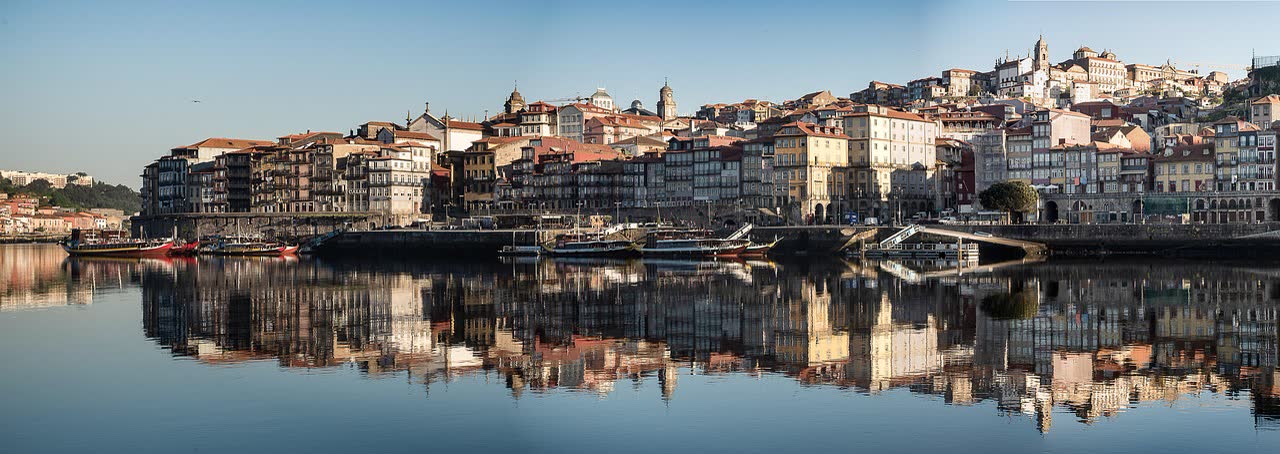
The Metro do Porto was built to be step-free, with lifts at its stations and level boarding, and the riverside in Ribeira and Gaia is flat. Metro line D crosses the upper deck of the Dom Luís I bridge, which is an easy way to reach Gaia’s upper level. The upper town is steep, so use taxis.
- Guindais funicular: suspended since July 2026, so don’t count on it to link the riverside and the upper town.
- Elevador da Ribeira: a free public lift and footbridge from the Ribeira up to the Barredo area. It usually runs on weekdays only, so check before you go.
- Boat trips: a great way to see the city without the hills. Ask the operator about boarding before you book. See the six bridges cruise.
Sintra
Sintra is one of the hardest day trips for limited mobility. The palaces sit on steep, wooded hills, private cars can’t drive up to Pena, and many rooms involve stairs. The Parques de Sintra website lists which parts of each monument are accessible. The National Palace in the town centre is the easiest to reach. See visiting Sintra.
Beaches
Portugal’s “Praia Acessível, Praia para Todos” scheme awards a flag to beaches with step-free access, ramps or boardwalks to the sand, adapted toilets and parking. In 2026, 239 beach areas carried it, about a third of the official bathing beaches, and 215 of them have equipment to help you into the water. At some, amphibious chairs and assisted bathing are available in the summer season, usually with lifeguards present. The Algarve, Cascais and the Silver Coast have good options. See the best beaches in Portugal.
Getting around
- Trains: CP’s Integrated Mobility Service (SIM) helps passengers with reduced mobility get on and off trains. Request it at least 6 hours ahead, or by 8pm the day before for trains leaving between 10pm and noon. You can book by phone on 808 100 746, online at cp.pt or at a ticket office. Wheelchair users must book it, it is only offered at listed stations, and on Alfa Pendular and Intercidades trains you buy your ticket first. See the train guide.
- Airports: Portugal’s airports offer a free assistance service called MyWay. Request it through your airline at least 48 hours before you fly.
- Coaches: long-distance coaches vary a lot. Contact the company before you book to ask about lifts and wheelchair spaces.
- Car hire: adapted vehicles are available from specialist companies. A car makes the Algarve and the Alentejo much easier. See driving in Portugal.
Where to stay
- Choose modern hotels with lifts and accessible rooms, and confirm details directly: door widths, shower type and any steps at the entrance.
- Location matters: in Lisbon, stay in the flat Baixa, along Avenida da Liberdade or in Parque das Nações rather than in Alfama or Bairro Alto.
- Algarve resorts are often flat and well equipped. See the best Algarve hotels.
- Cascais has a flat seafront promenade. See the best Cascais hotels.
When to go
Spring and autumn are best. Summer heat makes the hills harder work, and the cobbles get slippery in the winter rain. Accessible beach equipment usually runs only in the official bathing season, roughly June to September, so plan beach days for then.
Tips
- Priority: people with disabilities get priority service in shops and public services by law.
- Ask ahead: museums often have accessible entrances that aren’t obvious.
- Concessions: many monuments offer reduced tickets for visitors with a disability and sometimes a companion. Jerónimos and Belém Tower let in visitors with a disability of 60% or more, plus one companion, free with a valid document. Bring proof.
- Accessible tours: specialist operators run adapted tours in Lisbon and Porto.
FAQ
Is Lisbon wheelchair friendly?
Parts of it are. The Baixa, the riverfront, Belém and Parque das Nações are flat, but Alfama, Bairro Alto and the castle area are steep and cobbled.
Is the Lisbon metro wheelchair accessible?
Mostly. 47 of its 56 stations were fully accessible in July 2026, but check your stations before you travel.
How do I book help at a Portuguese airport?
Ask your airline for the free MyWay assistance at least 48 hours before you fly.
More: Portugal for older travellers and things to know before visiting Portugal.
See also: Lisbon’s hop-on hop-off buses.
Prices and details change, so please double-check before you travel. Spotted something out of date? Tell us in the groups.
Still got questions?
Ask 305,000+ travellers and locals in our free Facebook groups.