
Trip guides / Food and drink
Petiscos in Portugal: What to Order and Where to Eat
Petiscos are Portugal’s small plates: garlicky clams, crisp salt cod fritters and little pieces of beef in a wine or beer sauce, shared over a cold beer or a jug of house wine. They’re the easiest way to try lots of Portuguese food in one sitting. Here’s what to order, what it costs and where to find good ones.
Quick answer: petiscos are small dishes for sharing, usually with a drink. Classics include pica-pau, pastéis de bacalhau, amêijoas à Bulhão Pato and peixinhos da horta. On 2026 menus, expect about €3 for a croquete, €9–15 for most plates and €14–24 for clams. The classic place to eat them is a tasca, a small, informal local tavern.

What are petiscos?
A petisco is a small dish, hot or cold, put in the middle of the table to share. Petiscos began as food eaten between meals with a drink. The verb petiscar means to eat slowly and taste a little of everything, and there’s even a proverb, quem não arrisca não petisca, roughly “nothing ventured, nothing gained”.
Today, a round of petiscos can be a snack with a beer, a starter or the whole dinner. Some tascas serve a set lunch by day and switch to petiscos in the evening.
Petiscos vs Spanish tapas
Petiscos are often called “Portuguese tapas”, and the idea is the same: small plates shared over drinks. The differences:
- Size: portions are often bigger than a typical tapa, closer to a Spanish ración.
- Paying: petiscos are ordered from the menu and paid for like any other dish.
- Flavours: Portuguese small plates lean on garlic, olive oil, coriander, salt cod, pork and seafood, with sauces made for mopping up with bread.
Classic petiscos to order
- Pica-pau: bite-sized pieces of beef or pork fried with garlic in a white wine or beer sauce, often with mustard, and topped with pickles. The name means “woodpecker”, from the way you pick at it with toothpicks.
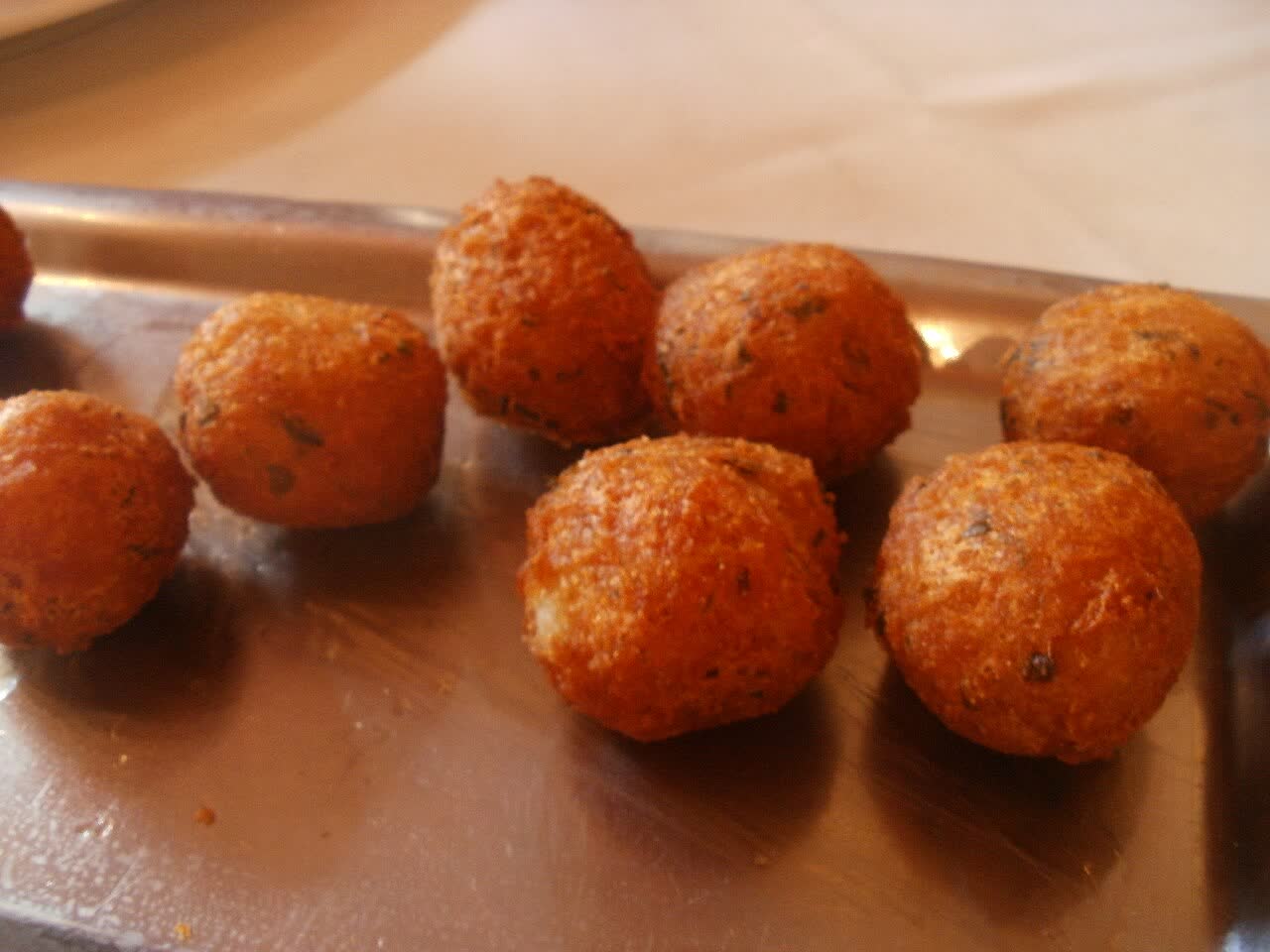
- Pastéis (or bolinhos) de bacalhau: fried fritters of salt cod, potato, onion, egg and parsley. They’re called pastéis in the centre and south and bolinhos in the north. See the bacalhau guide.
- Amêijoas à Bulhão Pato: clams cooked in olive oil with plenty of garlic and coriander, finished with lemon and sometimes a splash of white wine. It’s named after Raimundo Bulhão Pato, a 19th-century poet who loved his food.
- Peixinhos da horta: green beans in batter, deep-fried. The name means “little fish from the garden”, and the dish is often said to be the ancestor of Japanese tempura, taken to Japan by Portuguese sailors in the 16th century.
- Moelas: chicken gizzards stewed slowly in a tomato sauce with wine, garlic and bay leaf. Rich and made for dipping bread.
- Salada de polvo: cold octopus salad with onion, peppers, olive oil, vinegar and coriander. A classic starter in beer halls and seafood restaurants.
- Chouriço assado: a pork sausage grilled over burning alcohol in a clay dish called an assador, often brought to the table in flames. Eaten in slices with bread.
- Camarão à guilho: prawns sizzled in olive oil with garlic and often chilli.
- Croquetes: breaded, deep-fried croquettes of minced meat, often beef.
- Presunto and queijo: plates of Portuguese cured ham and cheese, such as Serra da Estrela, a sheep’s milk cheese. See the Portuguese cheese guide.
Snails and other extras
From about May to August, signs saying “Há caracóis” (“we have snails”) go up on the doors of cafés and tascas, mostly around Lisbon and in the south. Popular wisdom says to eat them in the months without an “r”.
- Caracóis: small snails cooked in a broth with garlic and oregano, often with a little chilli. Dip bread in the broth.
- Caracoletas: bigger snails, usually roasted or grilled.
- Pimentos padrón: small green peppers from neighbouring Galicia, fried and salted. Most are mild, but the odd one is hot.
- Tremoços: salted lupin beans, the simplest beer snack of all. Bite the skin and squeeze the bean out.
What is a tasca?
A tasca is a small, modest eating house serving traditional food and drink at fair prices. Expect a small room, often tiled, a handwritten dish of the day and cheap house wine.
- Lunch: the prato do dia (dish of the day) or set lunch is the best value, usually about €9–14 in 2026.
- Dinner: starts late, around 8pm or 9pm.
- Neo-tascas: newer places serve modern takes on the classics, with better wine lists and higher prices.
- Cervejarias and marisqueiras: beer halls and seafood restaurants, the classic places for clams, prawns and octopus salad.
How to order
- Portion sizes: some places offer a pires (a small saucer), a dose or prato (a plate) and a travessa (a platter).
- Check the board: daily dishes are often chalked up or handwritten, so ask what’s good today.
- The couvert: bread, olives or butter brought to the table without asking are only charged if you eat them. Send them back if you don’t want them.
- Tipping: in a simple tasca, rounding up is fine. See tipping in Portugal.
What petiscos cost in 2026
Prices vary between a neighbourhood tasca and a smart restaurant. Lisbon and Porto menus in 2026 give a rough guide:
- Tremoços and olives: about €1.50–2.
- Croquetes: about €3 each.
- Snails: about €5–11 a plate in Lisbon in summer.
- Pica-pau, moelas and peixinhos da horta: about €9–15.
- Ham, cheese or octopus salad: roughly €5–15.
- Clams and garlic prawns: about €14–24.
What to drink with them
- Beer: a small draught beer, an imperial in Lisbon or a fino in Porto and the north. The classic match for snails, tremoços and pica-pau. See the Portuguese beer guide.
- House wine: vinho da casa, red or white, often served in a small jug. An Alentejo red suits chouriço assado.
- Vinho verde: light, fresh and sometimes slightly fizzy, and good with clams and octopus. See the vinho verde guide.
- To finish: a glass of ginjinha, the sour cherry liqueur.
Where to find good petiscos
Lisbon
- Mouraria and Graça: the hilly old quarters for small, traditional tascas. The crowds thin out as you climb.
- Alfama: old tascas tucked between the lanes and fado houses.
- Santos and Estrela: the heart of the newer neo-tasca scene.
- Alvalade: a residential area with several of the city’s favourite snail spots in summer.
Porto
- Baixa: the side streets around Rua do Almada hold lunch tascas and newer restaurants.
- Bonfim and Cedofeita: more local neighbourhoods, with old tascas and newer wine bars.
- Ribeira: the riverfront is aimed at visitors. Walk a few streets away for better value.
FAQ
What is the difference between petiscos and tapas?
Both are small plates for sharing. Petiscos are Portuguese dishes, such as garlicky clams or salt cod fritters, and portions are often bigger than a tapa.
How much do petiscos cost?
On 2026 menus in Lisbon and Porto, most plates cost about €9 to €15, with croquetes around €3 each and clams €14 to €24. Small neighbourhood tascas are usually cheaper than restaurants in the busiest tourist areas.
When do Portuguese people eat petiscos?
From the afternoon onwards: as a lanche (a small meal between lunch and dinner) with a beer, as a starter or as the whole dinner.
Are there vegetarian petiscos?
A few. Try peixinhos da horta, pimentos padrón, cheese, olives and tremoços. Many sauces contain meat or seafood, so ask.
What does “Há caracóis” mean?
“We have snails”. The sign goes up on café and tasca doors when snail season starts, usually in May.
More: what to eat in Lisbon, what to eat in Porto and what to eat in Portugal.
Prices and details change, so please double-check before you travel. Spotted something out of date? Tell us in the groups.
Still got questions?
Ask 305,000+ travellers and locals in our free Facebook groups.