
Trip guides / Planning
Healthcare for Tourists in Portugal
Portugal has good healthcare, with a public health service, private hospitals and excellent pharmacies. Here’s what to do if you get ill or injured on holiday, what it may cost, and what insurance and documents to bring.
Quick answer: for emergencies, call 112. For non-urgent advice, call the SNS 24 health line (808 24 24 24). For minor problems, go to a pharmacy (farmácia), where pharmacists give advice. EU travellers should bring an EHIC, and UK travellers a GHIC, for state healthcare. Everyone should have travel insurance.
Why it pays to know the system
Most holiday health problems in Portugal are small: sunburn, an upset stomach, a twisted ankle on a cobbled street. Knowing who to call first saves you time and money. The public service (the SNS, Serviço Nacional de Saúde) works well, but it expects you to phone the health line before you turn up at a hospital, unless it’s a real emergency. Since late 2024 most public hospitals on the mainland have worked this way.
Emergencies
- 112: the European emergency number, for ambulance, police and fire. It’s free from any phone, and operators can usually speak English. Ambulances are run by INEM, the national emergency medical service.
- When to go straight in: for anything serious, such as chest pain, signs of a stroke, a bad fall or a road accident, call 112 or go directly to the nearest emergency department. You don’t need to ring SNS 24 first.
- Hospital emergency departments (urgência) treat urgent cases. Patients are sorted by a colour-coded triage system, so expect long waits for less serious problems.
- Check which units are open: some emergency departments, especially obstetric and children’s units, close on certain days. The SNS website (sns.gov.pt) has a map of open emergency services, and SNS 24 or 112 will send you to one that’s working.
- Pregnancy: since December 2024, pregnant women in mainland Portugal have had to call SNS 24 (choose the pregnancy option) before going to an obstetric emergency department, unless your life or your baby’s is at risk.
- Poisoning: INEM’s poison information centre (CIAV) answers around the clock on 800 250 250, a free number.
- What to bring: your passport or ID card, your EHIC or GHIC, and your travel insurance details.
Non-urgent care
- SNS 24 (808 24 24 24): the national health line gives advice and directs you to the right service. The UK government says you can press 9 for English. Nurses answer around the clock, and they can refer you to a health centre or a hospital.
- Why call first: if you go straight to a hospital emergency department without a referral from SNS 24, a health centre or INEM, staff will still assess you, but they may ask you to call SNS 24 on the spot. You may also pay a fee (about €14 to €18 in 2026, depending on the type of hospital). There’s no fee if you were referred or if you’re admitted.
- Health centres (centros de saúde) provide public GP-style care. Opening hours vary, and some run extra hours for urgent cases.
- Private clinics and hospitals: faster, with English-speaking staff, but you’ll pay and claim on your insurance. The big private groups have hospitals in Lisbon, Porto and the Algarve. Your EHIC or GHIC isn’t accepted there.
- Madeira and the Azores: the islands run their own regional health services, with their own health lines: 800 24 24 20 in Madeira and Porto Santo, and 808 24 60 24 in the Azores. In an emergency, call 112, as on the mainland.
Pharmacies
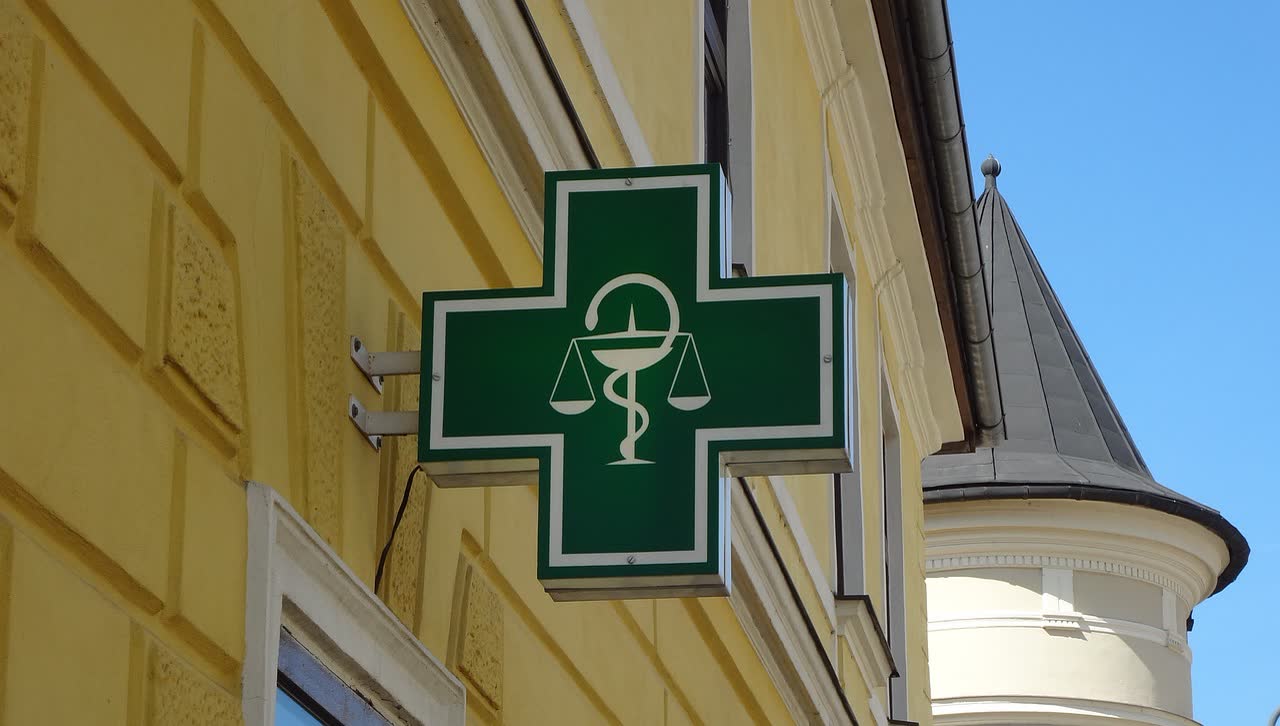
Look for the green cross. Pharmacists are highly trained and can recommend treatments for minor illnesses, from sore throats to insect bites. Some medicines that need a prescription elsewhere are available over the counter, but antibiotics and many other drugs still need a prescription from a Portuguese doctor. Pharmacies usually open about 9am to 7pm on weekdays and on Saturday mornings. Every town has a duty pharmacy (farmácia de serviço) open late or overnight. The rota is listed on pharmacy doors and on the Portuguese pharmacy association’s website. Night service can carry a small extra charge.
- Useful words: receita (prescription), dor (pain), febre (fever), alergia (allergy).
- Supermarkets sell some basic non-prescription items, such as painkillers in small packs.
Insurance and documents
- EHIC / GHIC: gives access to state healthcare on the same terms as residents. It covers care that becomes medically necessary during your trip and can’t wait until you get home, but not private care, repatriation or treatment you travel to Portugal to have.
- Travel insurance: essential for private care, repatriation, and activities like hiking and water sports. Check that it covers the activities you plan, such as surfing or levada walks in Madeira.
- Prescriptions: bring enough medication and a copy of your prescription. UK prescriptions aren’t valid in Portuguese pharmacies, so pack a few spare days’ supply.
- Carry-on: keep medicines in their original labelled packs and in your hand luggage.
- Visitors from outside Europe: you’ll pay for public and private care, so good insurance matters even more. See entry requirements.
Common issues
- Sun and heat: use high-factor sunscreen and drink water. Summer heatwaves can push inland temperatures past 40°C, especially in the Alentejo and the Douro.
- Sea safety: swim at beaches with lifeguards and respect the flags (red means no swimming, yellow means you can paddle but not swim). Atlantic currents are strong, even on calm days.
- Slips: the stone pavements are slippery when wet. Wear shoes with grip in hilly cities like Lisbon and Porto.
- Tap water: safe to drink across the country. See is tap water safe in Portugal?
- Hiking: carry water, tell someone your route and check the weather in the mountains. See hiking in Portugal.
Practical tips
- Save the numbers: put 112 and 808 24 24 24 in your phone before you travel.
- Keep receipts: you’ll need them to claim back costs from your insurer.
- Ask your hotel: staff usually know the nearest health centre, private clinic and duty pharmacy.
FAQ
Do I have to call SNS 24 before going to A&E in Portugal?
For anything that isn’t an emergency, yes, on most of the mainland. Call 808 24 24 24 (press 9 for English) and a nurse will tell you where to go. For chest pain, a stroke or a bad injury, call 112 or go straight to hospital.
Is healthcare free for tourists in Portugal?
With an EHIC or GHIC, you pay the same as residents, which for public care is usually nothing, apart from a fee of about €14 to €18 if you use an emergency department without a referral and aren’t admitted. Without a card, the hospital bills you the full cost.
Can I buy antibiotics at a Portuguese pharmacy?
Not without a prescription. Prescriptions from other EU countries are generally accepted, but UK and other non-EU ones usually aren’t, so you may need to see a local doctor first.
Travel insurance: an EHIC or GHIC only covers state healthcare. It won’t pay for private clinics, mountain or sea rescue, a flight home or a cancelled trip, so take out travel insurance before you go. EKTA sells short-trip cover online in a few minutes; compare the medical limits and check it’s available where you live.
More: is Portugal safe?, entry requirements and the packing list.
See also: travel insurance for Portugal.
Some links in this guide are affiliate or referral links (GetYourGuide, Booking.com, Discover Cars, Welcome Pickups, Airalo, Yesim, Saily, Tiqets, Radical Storage, EKTA, AirHelp, Uber). If you book or sign up through them we may earn a small commission or ride credit at no extra cost to you. It helps keep our groups and this site free.
Still got questions?
Ask 305,000+ travellers and locals in our free Facebook groups.