
Walking the Camino Portugues from Porto
The Camino Português is the second most popular route to Santiago de Compostela. It’s a pilgrimage walk through green countryside, granite villages and along the Atlantic coast. Most walkers start in Porto. Here’s how to plan it.
Quick answer: from Porto, choose the Central route (inland via Ponte de Lima and Valença, about 240km, 10 to 12 days) or the Coastal route (along the sea via Viana do Castelo and Caminha, about 280km, 12 to 14 days). To earn the Compostela certificate, walk at least the last 100km, for example from Tui or Valença on the Spanish border. Carry a pilgrim credential and collect stamps. See guided Camino options.
Why walk it
The Portuguese Way is gentler than the famous Camino Francés across northern Spain. Stages are shorter, the hills are modest, and you pass through farmland, vineyards, stone bridges and old market towns. It suits first-time walkers, and you can do the whole thing from Porto in under two weeks or just the last 100km in about a week.
It’s also getting busier every year. In 2025 the Coastal route alone brought about 90,500 pilgrims to Santiago, roughly 17% of everyone who collected a Compostela, and most of them came from outside Spain.
The routes
The Central route
The traditional route from Porto runs inland through Barcelos, Ponte de Lima and over the hills to Valença, then crosses into Spain at Tui. It’s well marked and well served with albergues (pilgrim hostels). The hardest day in Portugal is usually the climb over the Labruja hills between Ponte de Lima and Rubiães. In Spain the route continues through Redondela, Pontevedra and Padrón to Santiago. See Ponte de Lima and Valença.
The Coastal route
This route follows the Atlantic through Vila do Conde, Esposende, Viana do Castelo and Caminha, then on along the Galician coast. It has sea views and beaches but fewer albergues. Long sections near Porto follow wooden boardwalks above the dunes. Some walkers combine coastal and central sections, as the two routes meet at Redondela. See Viana do Castelo and Caminha.
At Caminha you cross the Minho estuary into Spain. The old car ferry to A Guarda has not run since 2020, but small passenger boats now take walkers across. Use a licensed operator, as the Galician authorities have cracked down on unlicensed boats, and book ahead, because low tides can change or cancel crossings. The alternative is a long detour inland to the nearest bridge.
The Spiritual Variant
After Pontevedra, an alternative route heads towards the coast and includes a boat trip across the Ría de Arousa and up the river Ulla. It adds about a day and is popular with walkers who want something quieter.
From Lisbon
The full route from Lisbon adds about 380km through central Portugal, and it’s much quieter. It passes through Santarém, Tomar and Coimbra, and some sections share the waymarks for Fátima, which are blue. See Tomar.
How long to allow
- Tui to Santiago: about 115 to 120km, usually 5 to 6 days. The most popular short option.
- Porto to Santiago (Central): 10 to 12 days, plus a rest day.
- Porto to Santiago (Coastal): 12 to 14 days.
- Daily distance: most stages are 15 to 25km. Plan shorter days at the start while your feet get used to it.
Compostela rules
The Pilgrim’s Office in Santiago sets the rules for the Compostela. In 2026 they are:
- Distance: at least 100km on foot or on horseback, walked continuously on one recognised route, with the last stage ending at the cathedral. If you start outside Spain, at least 70km must be in Spain, so starting at Valença or Tui works.
- Stamps: at least two stamps a day for the last 100km, with dates, from churches, albergues, cafés or town halls.
- Cyclists: the same rules over at least 200km.
- Cost: the Compostela itself is free. A separate certificate of distance costs a small fee.
Getting there and back
- To Porto: fly into Porto airport, then take the metro into the city. See where to stay in Porto.
- To the border: trains run from Porto towards Valença, and buses also serve the Minho towns.
- From Santiago: Santiago has its own airport, and buses run back to Porto. The Celta train from Vigo to Porto uses a replacement bus between Vigo and Valença until about April 2027. See Santiago de Compostela.
Practical tips
- Credential: get a pilgrim passport and collect stamps along the way (two a day for the last 100km). You can usually buy one at Porto Cathedral, in albergues, or from pilgrim associations before you travel. Only credentials from the Santiago cathedral or authorised groups are accepted.
- Waymarks: follow the yellow arrows and scallop shells.
- Accommodation: albergues, guesthouses and hotels. Book ahead in summer. Public albergues are cheap but usually can’t be booked and fill on a first-come basis.
- Bag transfer: services carry your luggage between stages.
- Best seasons: spring and autumn. Summer is hot and busy, and the last 100km gets crowded in July and August.
- Holy Year: 2027 is a Holy Year (when 25 July falls on a Sunday), so expect many more pilgrims and book beds early.
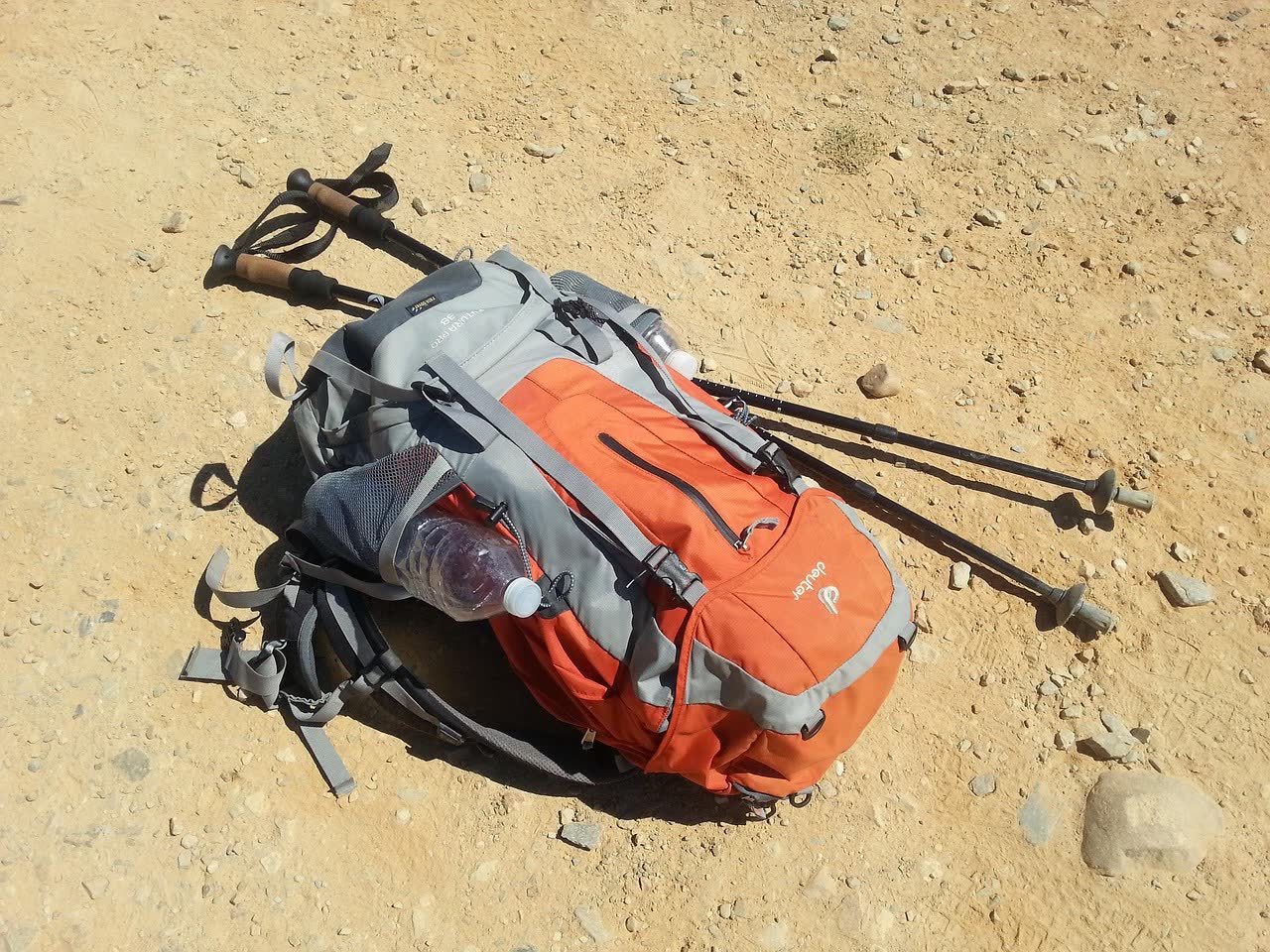
- Kit: broken-in walking shoes, a light rain jacket, blister plasters and a refillable water bottle.
- Time zone: Spain is an hour ahead of Portugal.
Food on the way
Pilgrim menus (a set lunch or dinner with wine) are common in cafés along the route. In Portugal, try caldo verde, grilled meats and the light vinho verde of the Minho. Ponte de Lima is known for arroz de sarrabulho, a rich rice and pork dish. Across the border, Galician polbo (octopus) and Padrón peppers are classics. See the vinho verde guide.
Arriving in Santiago
The routes finish in the Praza do Obradoiro in front of the cathedral. Collect your Compostela at the Pilgrim’s Office, showing your stamped credential. Queues can be long in summer. See Santiago de Compostela.
FAQ
How long does the Camino Português take from Porto?
About 10 to 12 days on the Central route and 12 to 14 days on the Coastal route. Starting at Tui or Valença cuts it to 5 or 6 days.
Which is better, the Central or the Coastal route?
The Central route has more albergues and is the traditional choice. The Coastal route has sea views and boardwalks but fewer pilgrim beds, and it’s a little longer.
Can you start the Camino in Portugal and still get a Compostela?
Yes. Walk at least 100km continuously into Santiago, with at least 70km in Spain, and collect two dated stamps a day for the last 100km.
More: hiking in Portugal and where to stay in Porto.
See also: Barcelos.
Some links in this guide are affiliate or referral links (GetYourGuide, Booking.com, Discover Cars, Welcome Pickups, Airalo, Yesim, Saily, Tiqets, Radical Storage, EKTA, AirHelp, Uber). If you book or sign up through them we may earn a small commission or ride credit at no extra cost to you. It helps keep our groups and this site free.
Still got questions?
Ask 305,000+ travellers and locals in our free Facebook groups.