
Trip guides / Planning
First Time in Portugal: Where to Go and What to Know
Planning your first trip to Portugal? This guide covers where to go, how long you need, how to get around, what to book ahead and the mistakes first-time visitors make. Everything links to our detailed guides.
Quick answer: for a first trip of about a week, combine Lisbon (with a day in Sintra) and Porto (with a day in the Douro Valley), linked by a 3-hour train. With 10 days or more, add the Algarve for beaches. Visit in May, June, September or October, and book Sintra palace tickets and summer hotels early.
Why Portugal works for a first trip
Portugal is small, safe and easy. The two big cities are three hours apart by train, the food is good value, and you can mix city sights, wine country and beaches in a single week. English is widely spoken in tourist areas, and a few words of Portuguese go a long way.
Where to go
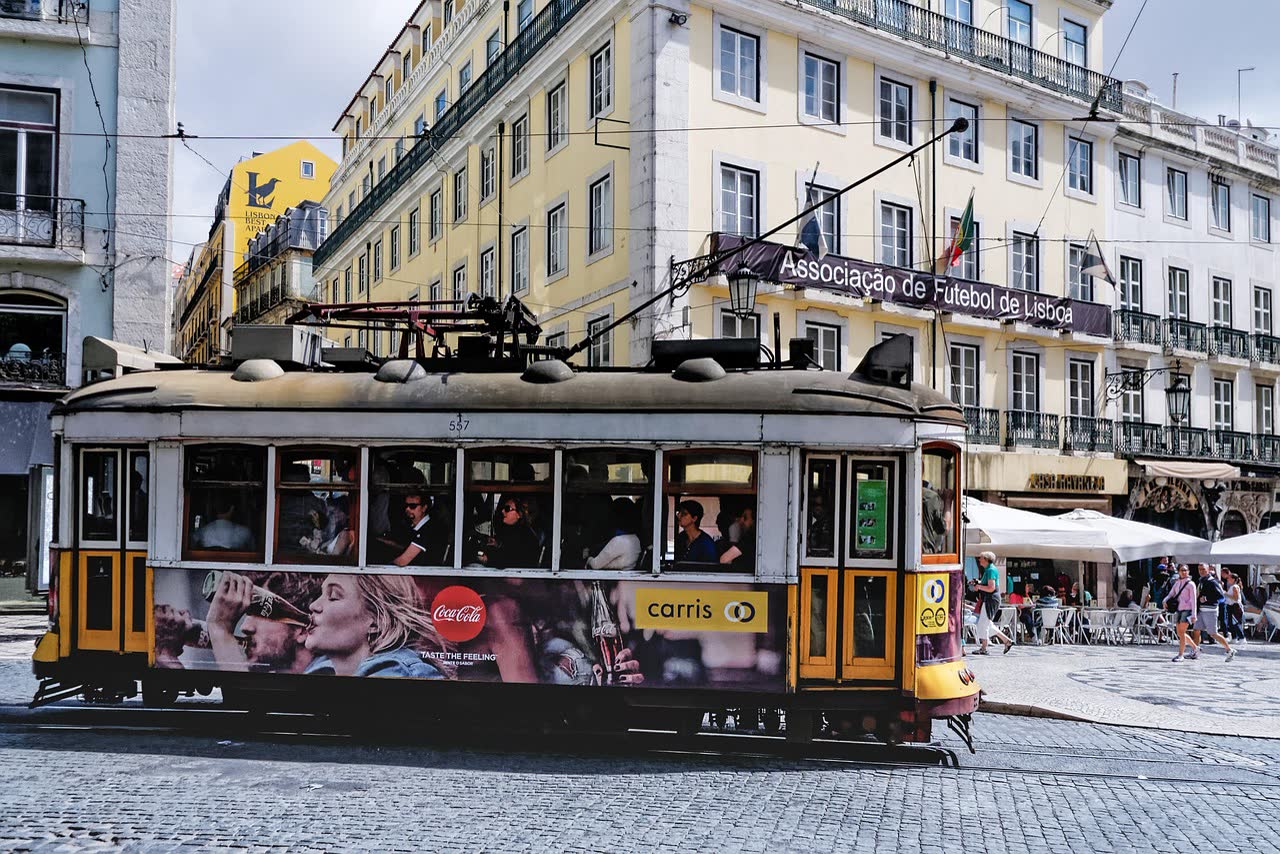
- Lisbon: the capital, with hills, trams, viewpoints and Belém. Give it at least two or three days. See things to do in Lisbon.
- Sintra: fairytale palaces, a day trip from Lisbon by train in about 40 minutes. See visiting Sintra.
- Porto: riverside charm and port wine, smaller and easier to walk than Lisbon. See things to do in Porto.
- The Douro Valley: terraced vineyards along the river, a day trip from Porto by train or tour. See the Douro.
- The Algarve: golden cliffs and beaches, best from May to October. See where to stay in the Algarve.
Not sure? See Lisbon or the Algarve and Porto vs Lisbon.
How long?
- 5 days: Lisbon and Sintra, or Lisbon and Porto. See 5 days in Portugal.
- 7 days: Lisbon, Sintra and Porto. See 7 days in Portugal.
- 10 days: add the Algarve or the Douro. See 10 days in Portugal.
- 2 weeks: see the road trip or 2 weeks by train.
A simple first week
- Days 1–3: Lisbon. Alfama and the castle, the Baixa and Chiado, then a morning in Belém.
- Day 4: Sintra. Go early and pick two sights, not five.
- Day 5: morning train to Porto, afternoon in the Ribeira and a port cellar in Gaia.
- Day 6: Porto’s old town, São Bento station and a sunset from the Dom Luís I bridge.
- Day 7: a Douro Valley day trip, or fly home from Porto.
Getting around
Trains link Lisbon, Porto and the Algarve. You don’t need a car in the cities, but one is useful in the Algarve, the Alentejo and the Douro. See the train guide and driving in Portugal.
- Lisbon: buy a reusable navegante card at a metro station and top it up for the metro, buses and trams. A single metro ride is €1.90, or €1.72 with pay-as-you-go credit. See Lisbon public transport.
- Lisbon’s funiculars: the Glória, Bica and Lavra funiculars and the Santa Justa lift have been closed since September 2025. Don’t build your plans around them; walk, take a bus or use Uber or Bolt instead. Only the Graça funicular (reopened April 2026) is running.
- Taxis: from 15 October 2026, official taxis from Lisbon airport charge fixed fares into the city, about €16–23 depending on the zone and time. See Uber vs Bolt vs taxi.
- Porto: the metro is clean and simple, and the centre is walkable if you don’t mind hills. The Guindais funicular has been suspended since July 2026. See Porto public transport.
- Tolls: most motorways have electronic-only tolls. Ask your hire company about a transponder. The Algarve’s A22 has been toll-free since January 2025.
What to book ahead
- Sintra palace tickets (timed entry). Pena tickets are for a set date and time. See Sintra tours.
- Jerónimos Monastery and Livraria Lello. Belém Tower reopened in May 2026 with timed entry, so book that too.
- Summer hotels, especially in the Algarve. Find places to stay.
- Popular tours like Benagil and the Douro. Note you can only see the Benagil cave by boat or with a licensed kayak guide; swimming to it and landing on its beach aren’t allowed.
- Fado dinners on weekends.
Two big Lisbon museums are closed for now: the National Tile Museum (no confirmed reopening date) and the National Museum of Ancient Art (reopening planned for late 2026).
When to go
May, June, September and October are the sweet spot: warm, sunny and less crowded than high summer. July and August are hot inland and busy on the coast. In June, Lisbon and Porto hold their big street festivals for Santo António and São João, with grilled sardines and parties late into the night. Winter is cheap and quiet in the cities, but it rains. See the best time to visit Portugal.
Money and everyday tips
- Cards are widely accepted, but carry some cash for small cafés and markets. See money in Portugal.
- Tipping isn’t expected. Rounding up or leaving about 5–10% for good service is appreciated. See tipping in Portugal.
- Tourist tax: paid at your hotel. Lisbon charges €4 per person per night (under-13s free) and Porto €3.
- Meal times: lunch is usually from about 12.30 to 2.30pm and dinner from about 7.30 or 8pm. Many kitchens close between the two.
- Late drinks: in Lisbon, shops can’t sell alcohol to take away after 11pm Sunday to Thursday, or after midnight on Fridays and Saturdays.
- Tap water is safe to drink. See is tap water safe?
- Emergencies: call 112.
First-timer mistakes
- Bad shoes: the stone pavements are slippery and hilly.
- Too much in too little time: Portugal rewards slowing down.
- Visiting Sintra at midday on a weekend: go early on a weekday.
- Expecting summer in winter: the Atlantic coast is cool and rainy from November to March.
- Expecting warm seas: the Atlantic is cold, even in summer, especially on the west coast.
- Eating the couvert without checking: bread and olives brought to the table aren’t free. See Portugal etiquette.
- Queuing for Tram 28 at the terminus: the queues are long and pickpockets are common. Walk the route instead, or ride it early in the morning.
FAQ
How many days do I need for a first trip to Portugal?
A week covers Lisbon, Sintra and Porto comfortably. With 10 days, add the Algarve or the Douro Valley.
Do I need a car?
Not for Lisbon and Porto, where trains, metros and ride apps work well. A car helps in the Algarve, the Alentejo and the Douro.
What do non-EU visitors need to know at the border?
The EU’s Entry/Exit System now takes fingerprints and a photo of non-EU visitors, so allow extra time. ETIAS, an online authorisation for visa-free travellers, has no confirmed start date and isn’t expected before 2027. See entry requirements.
Before you go
See things to know before visiting Portugal, entry requirements, trip costs, the packing list and useful phrases.
Mobile data sorted before you fly: if you’re coming from outside the EU, a travel eSIM such as Airalo’s Portugal eSIM means maps and ride apps work the moment you land. See our eSIM guide.
More: the Portugal bucket list and the best things to do in Portugal.
See also: the best places to visit in Portugal, how many days in Portugal, Portugal vs Italy, what’s changed in 2026, 2 weeks in Portugal and travel insurance for Portugal.
Some links in this guide are affiliate or referral links (GetYourGuide, Booking.com, Discover Cars, Welcome Pickups, Airalo, Yesim, Saily, Tiqets, Radical Storage, EKTA, AirHelp, Uber). If you book or sign up through them we may earn a small commission or ride credit at no extra cost to you. It helps keep our groups and this site free.
Still got questions?
Ask 305,000+ travellers and locals in our free Facebook groups.