
Chaves: Roman Bridge, Hot Springs and Pastries
Chaves is a historic spa town in northern Portugal, close to the Spanish border, with a Roman bridge still in use, hot springs bubbling up in the centre, a castle keep and a famous meat pastry. It’s an easy stop on a road trip through Trás-os-Montes.
Quick answer: Chaves is about 1 hour 45 minutes from Porto. Walk across the Roman bridge (Ponte de Trajano), see the castle keep, visit the Roman thermal baths museum, try the thermal water, and eat a pastel de Chaves. Nearby Vidago has a grand spa palace hotel. See places to stay in Chaves.
_24.jpg)
Why go
Chaves has been a spa town for about 2,000 years. The Romans called it Aquae Flaviae, after the hot water that still rises here, and they built a stone bridge across the Tâmega river that people still walk over today. Later it became a frontier fortress, only about 10 km from Spain. Today it’s a relaxed small city with a well-kept old centre, good food and very few tourists, which makes it an easy and rewarding stop in the far north.
Things to do
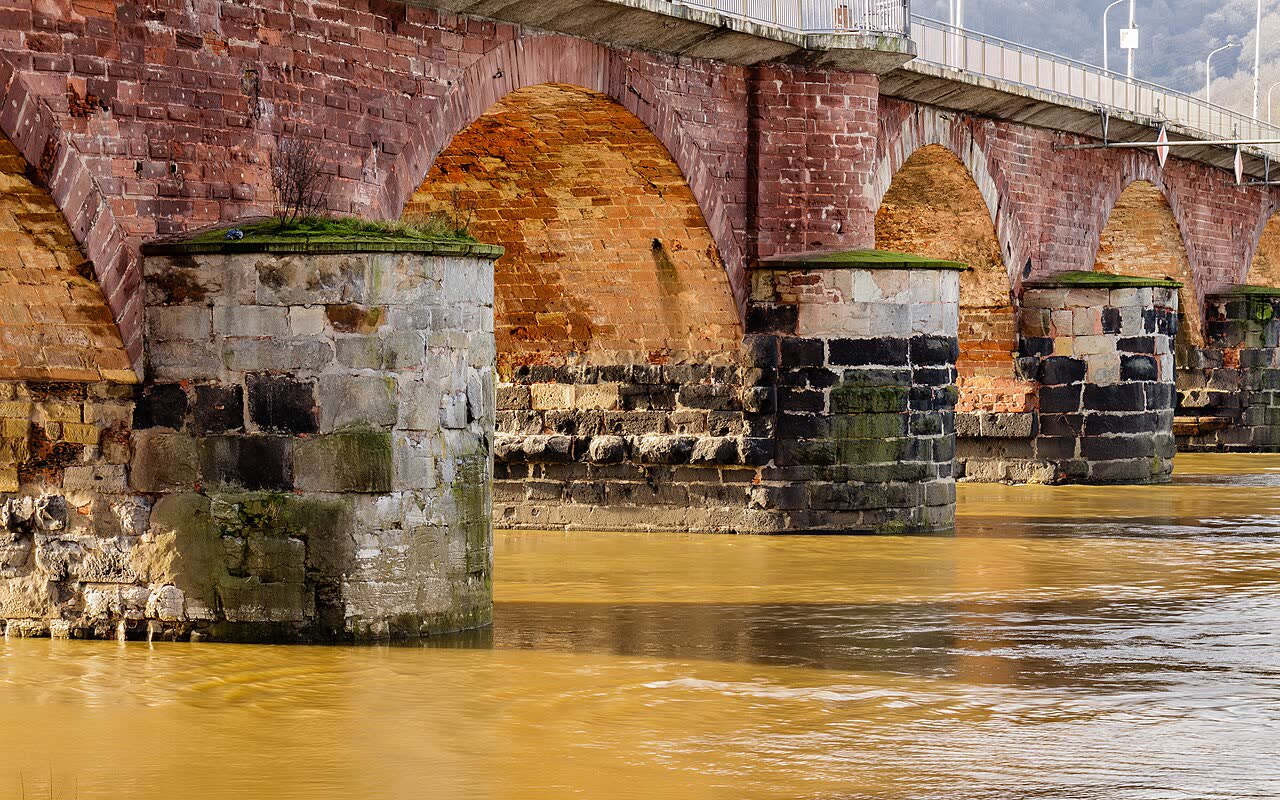
- Ponte de Trajano: a Roman bridge over the Tâmega river, built around the late 1st or early 2nd century AD. It’s about 140 metres long, with a row of rounded arches (some are now buried or hidden by later buildings), and is now for pedestrians. Look for the two Roman stone columns on the bridge, with inscriptions from the local communities who paid for it.
- The Roman baths: remains of a large Roman bath complex, found in the mid-2000s during work on a car park and opened as a museum in December 2021. It’s one of the largest Roman baths found on the Iberian Peninsula, and you can still see hot water in one of the pools. Allow about an hour.
- The hot springs: the water comes out of the ground at about 76°C, among the hottest of its kind in Europe. The modern spa (Termas de Chaves) by the river offers treatments, and you can usually taste the warm mineral water at a public fountain nearby. It’s an acquired taste.
- The castle keep: the tall Torre de Menagem, built in the 14th century under King Dinis, is the main survivor of the medieval walls. It now holds a small military museum, and stands in pretty gardens with views over the town and the river. The museum usually closes for lunch, so plan around it.
- The Forte de São Francisco: a 17th-century star-shaped fort on the hill, built around an old convent and now a hotel. You can walk around its walls.
- The historic centre: narrow streets of tall houses with painted wooden balconies, especially on Rua Direita, plus the main square with its pillory and the parish church.
- Nadir Afonso museum: a white concrete art museum by the river, designed by Álvaro Siza and opened in 2016. It shows the geometric paintings of Nadir Afonso, who was born in Chaves in 1920. It usually closes on Mondays.
Bathing in the hot water
Since 2025, the Termas de Chaves has had a new open-air thermal complex, Aquae Salutem, with outdoor pools kept at around 30 to 36°C, plus a sauna and Turkish bath. It usually opens Monday to Saturday from 9am to 12:30pm and 2pm to 7pm, and Sunday mornings. When it opened, an hour in the pools cost from about €16.50. Check current times and prices on the Termas de Chaves website and book ahead at weekends.
Getting there
- Driving: about 1 hour 45 minutes from Porto on the A4 and A24 motorways (only the A4 from Porto to Amarante is tolled; the rest has been toll-free since 2025). See driving in Portugal and Portugal’s tolls explained.
- Bus: Rede Expressos runs coaches from Porto’s Campanhã terminal, taking about 2 to 2.5 hours. Check current times before you go. See Portugal by bus.
- Train: there is no train to Chaves. The old rail line closed decades ago.
- Parking: there are car parks near the centre and the river. The old centre is best explored on foot.
How long to spend
A long half-day covers the bridge, the Roman baths, the castle keep and a pastry stop. Stay the night if you want a spa session, or if you’re driving on to Bragança or into Spain.
A one-day route
- Morning: walk across the Roman bridge, then visit the Roman baths museum.
- Lunch: local food in the old centre, finished with a pastel de Chaves.
- Afternoon: climb to the castle keep and walk the old streets, then taste the hot water by the spa.
- Late afternoon: drive about 20 minutes south to Vidago to see the palace hotel and its park, or soak in the outdoor thermal pools.
Food
- Pastel de Chaves: a flaky, half-moon pastry filled with minced veal, with protected (PGI) status. Eat it warm.
- Smoked ham: the region is known for presunto, cured and smoked ham.
- Folar de Chaves: a bread filled with cured meats, traditional at Easter.
- Hearty mountain food: roast meats, smoked sausages (fumeiro) and cabbage dishes. Pair them with a red wine from the Trás-os-Montes region.
When to go
Spring and early autumn are the most pleasant. Summers are hot inland, and winters are cold and often foggy along the river. The big event is the Feira dos Santos, a huge street fair held each year from 30 October to 1 November, with food, crafts and livestock. Book a room early if you plan to visit then.
Nearby
- Vidago Palace: a Belle Époque spa hotel. Check prices.
- Bragança: see Bragança.
- Peneda-Gerês: see Peneda-Gerês.
- Vila Real: see Mateus Palace and Vila Real.
FAQ
Is Chaves worth visiting?
Yes, if you like history and quiet towns. A Roman bridge, Roman baths and hot springs make it one of the most unusual stops in northern Portugal.
Can you bathe in the hot springs in Chaves?
Yes. The Termas de Chaves has outdoor thermal pools that opened in 2025, as well as spa treatments. You can also taste the hot water at a public fountain.
Can you get to Chaves without a car?
Yes, by Rede Expressos coach from Porto, which takes about 2 to 2.5 hours. There is no train.
When is the Feira dos Santos in Chaves?
It runs each year from 30 October to 1 November, filling the streets with stalls, food and livestock.
More: the best spa hotels and the best road trips.
See also: thermal spas in Portugal.
Some links in this guide are affiliate or referral links (GetYourGuide, Booking.com, Discover Cars, Welcome Pickups, Airalo, Yesim, Saily, Tiqets, Radical Storage, EKTA, AirHelp, Uber). If you book or sign up through them we may earn a small commission or ride credit at no extra cost to you. It helps keep our groups and this site free.
Still got questions?
Ask 305,000+ travellers and locals in our free Facebook groups.