
The Gulbenkian Museum, Lisbon
The Calouste Gulbenkian Museum is Lisbon’s finest art museum: a superb private collection spanning thousands of years, from Egyptian antiquities and Islamic ceramics to European masterpieces and René Lalique jewellery. It’s set in beautiful gardens, and next door is the CAM modern art centre. Here’s how to visit.
Quick answer: the museum reopened in July 2026 after a renovation of about 16 months. It’s near São Sebastião metro station. It’s free on Sunday afternoons, and closed on Tuesdays. Usual hours are 10am to 6pm, and until 9pm on Saturdays. Allow 2 to 3 hours for the museum and CAM (Modern Art Centre), plus time in the gardens.
_(31976392642).jpg)
Why go
This is one of Europe’s great private collections, shown in calm, well-lit galleries that never feel overwhelming. You can see 4,000 years of art in a single morning, then sit by a pond in the garden. It’s also a short metro ride from the centre and a perfect choice on a hot or rainy day.
The collection
Calouste Gulbenkian, an Armenian oil magnate, spent his final years in Lisbon and left his collection to Portugal. He lived in the city from 1942 until his death in 1955, and the museum opened in 1969. Around a thousand pieces are on display, arranged in two loops: the ancient and Eastern world, then European art. Highlights include:
- Egyptian and classical antiquities: sculpture, jewellery and Greek coins.
- Islamic art: carpets, tiles, ceramics and manuscripts.
- Asian art: Chinese porcelain and Japanese lacquer.
- European painting: works by old masters such as Rembrandt and Rubens, and by later painters including Turner, Manet, Monet, Renoir and Degas.
- Sculpture and decorative arts: French furniture, silver and tapestries, and a marble Diana by Houdon.
- Lalique jewellery: an extraordinary Art Nouveau collection. Look for the delicate orchid diadem carved in horn and ivory.
The 2026 renovation
The museum closed in March 2025 for a major renovation and reopened on 18 July 2026, the Gulbenkian Foundation’s 70th anniversary year. The works brought new lighting, climate control and display cases, and returned the galleries to the spirit of the original 1969 design, with more natural light. There is a new gallery for ancient coins, and the Lalique room has been redesigned, with paintings by Edward Burne-Jones and John Singer Sargent hung beside the jewellery to show the art of the same period.
CAM and the gardens
The Modern Art Centre (CAM) has a striking new building and focuses on modern and contemporary art, including Portuguese artists. It reopened in September 2024 after an extension by the Japanese architect Kengo Kuma, with a long, low roof that opens onto the garden. The roof is covered in ceramic tiles and was inspired by the engawa, the covered veranda of a traditional Japanese house. CAM keeps the same hours as the museum and also closes on Tuesdays.
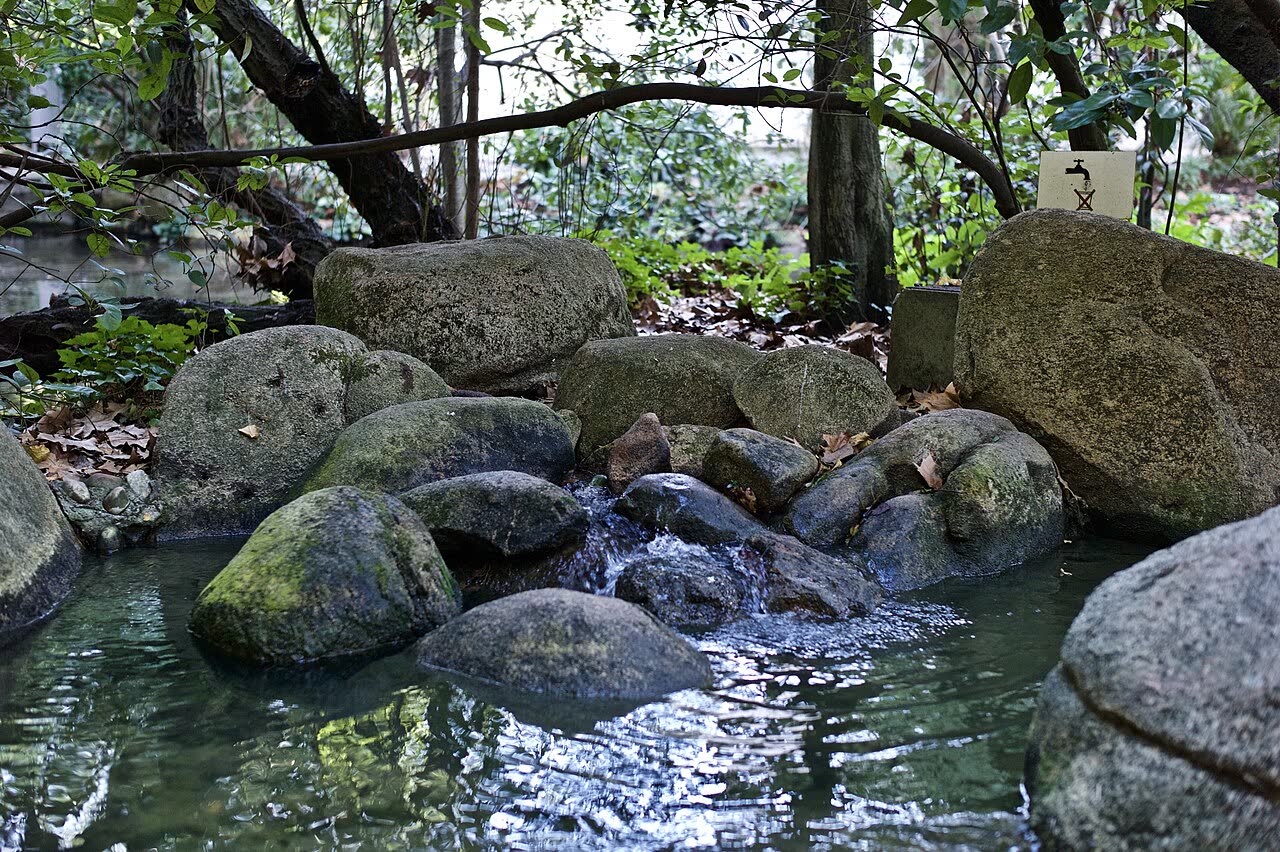
The gardens around both buildings are a peaceful green escape, with ponds and shady paths. Designed in the 1960s by the landscape architects Gonçalo Ribeiro Telles and António Viana Barreto, they’re free to enter and popular with locals for a quiet read or a picnic. A newer southern section, laid out with the CAM project, adds a lake and an entrance from Rua Marquês de Fronteira.
Getting there
- Metro: São Sebastião (blue and red lines) is a few minutes’ walk away. Praça de Espanha (blue line) is also close. See Lisbon public transport.
- Bus: several Carris buses stop nearby on Avenida de Berna and Praça de Espanha.
- On foot: about 20 minutes uphill from Marquês de Pombal, via Parque Eduardo VII.
- From the airport: the red metro line runs direct to São Sebastião, which makes this an easy first or last stop.
How long to spend
Allow about 2 hours for the founder’s collection, an hour for CAM, and as long as you like in the gardens.
A half-day route
Arrive at 10am and see the founder’s collection while it’s quiet. Have a coffee or light lunch at the foundation’s café, walk through the gardens to CAM, then take the metro or stroll down through Parque Eduardo VII to the Avenida da Liberdade.
Food
The foundation has its own café-restaurant, handy for lunch with a garden view. The surrounding business district has plenty of everyday places serving a good-value prato do dia (dish of the day) at lunchtime on weekdays.
When to go
Weekday mornings are calmest. Saturday evenings, when the museum stays open until 9pm, are a good option too. The museum is good all year, but the gardens are at their best in spring and early summer. Around the start of August, the foundation hosts Jazz em Agosto, a long-running jazz festival with concerts in its open-air amphitheatre. The 2026 edition ran from 31 July to 9 August, so check the dates if you’re in town.
Tips
- Free Sunday afternoons (usually from 2pm) are popular, so arrive early.
- Tickets: under-18s go free, and there are combined tickets for the museum and CAM. Check current prices on the Gulbenkian website.
- Closures: besides Tuesdays, the museum usually closes on a few public holidays such as Christmas Day and New Year’s Day.
- Concerts: the Gulbenkian Orchestra and visiting performers play in the foundation’s Grand Auditorium during the season.
- Combine with Avenida da Liberdade or Parque Eduardo VII. See Avenida da Liberdade.
- Rainy day: perfect. See Lisbon on a rainy day.
FAQ
Is the Gulbenkian Museum open now?
Yes. The founder’s collection reopened on 18 July 2026 after renovation. It’s usually open from 10am to 6pm, until 9pm on Saturdays, and closed on Tuesdays.
When is the Gulbenkian free?
Entry is usually free for everyone on Sundays from 2pm, and under-18s go free at any time. The gardens are always free.
How long do you need at the Gulbenkian?
About 2 hours for the main museum and an hour for CAM. Add time for a coffee and a walk in the gardens.
Is the Gulbenkian worth visiting?
Yes. It’s one of the best art museums in Portugal, rarely crowded, and the collection is small enough to see properly in one visit.
More: the best museums in Lisbon, things to do in Lisbon and the Estufa Fria.
See also: the Fronteira Palace.
Prices and details change, so please double-check before you travel. Spotted something out of date? Tell us in the groups.
Still got questions?
Ask 305,000+ travellers and locals in our free Facebook groups.