
Bonfim, Porto: A Local Neighbourhood
Bonfim, east of Porto’s centre, is an up-and-coming residential neighbourhood with traditional tascas, street art, new cafés and good-value places to stay. It’s close to Campanhã station and an easy walk from Batalha and the Baixa.
Quick answer: come to Bonfim for a local side of Porto: affordable restaurants, specialty coffee, street art and quiet streets of old houses. It’s handy for Campanhã station (trains to Lisbon) and a 10 to 20 minute walk from the centre. See places to stay in Bonfim.
.jpg)
Why go
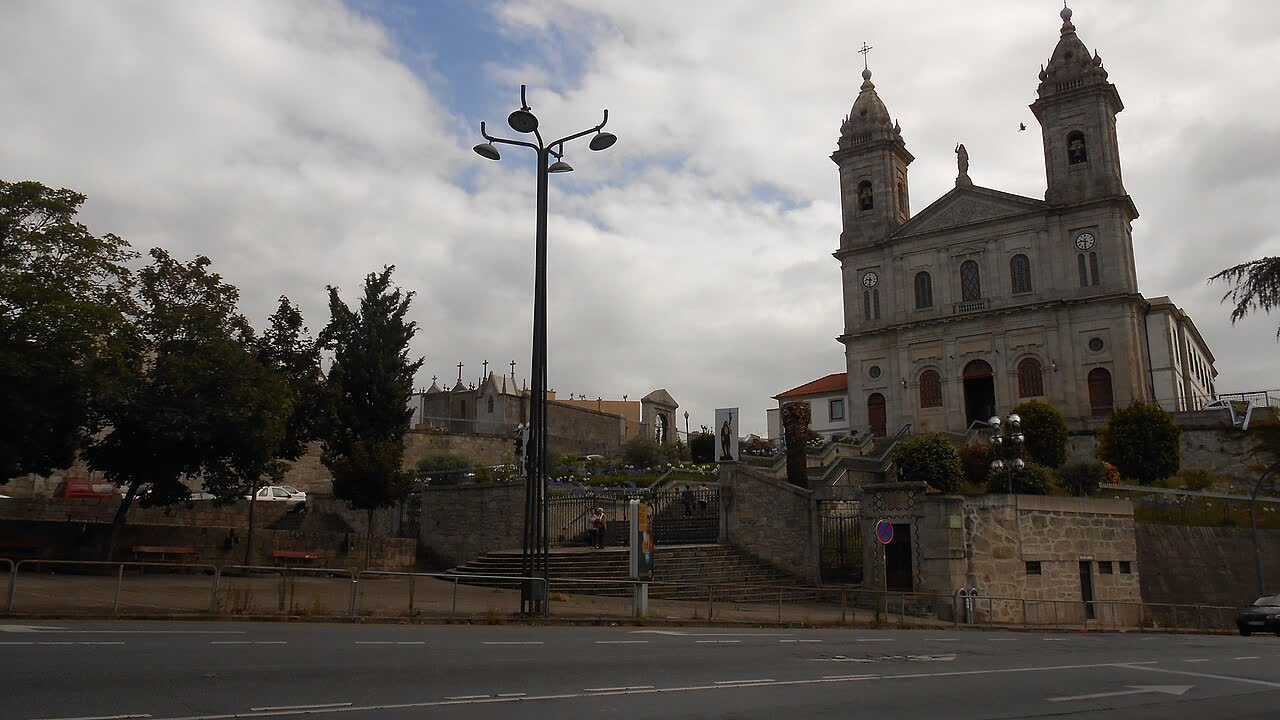
Bonfim is where you see everyday Porto. Older residents still shop at the corner grocer and eat lunch at the local tasca, while art students and young families have moved into the tall, tiled townhouses. You won’t find big sights here. Instead you get calm streets, cheaper food and drink than in Ribeira, and a few interesting places that most visitors miss. The parish covers the hilly area between Batalha, Campanhã and the river.
It’s a good choice if you’ve already seen the classic sights, if you’re staying a few days, or if you simply want a break from the crowds around the Clérigos Tower and the riverfront. Many of the streets are lined with narrow 19th-century houses with tiled fronts, iron balconies and painted doors, and plenty are being restored.
Things to do
- Local tascas: simple, good-value Portuguese food. Look for a fixed-price lunch menu (prato do dia) on a chalkboard by the door.
- Cafés and bakeries: new specialty coffee spots among the old shops.
- Street art: murals around the neighbourhood, especially on side streets and building ends.
- The Prado do Repouso cemetery: opened in 1839 as Porto’s first public cemetery. Its avenues of granite chapel-tombs and funerary sculpture make for a peaceful, unusual walk. It covers about 10 hectares and includes a monument to the victims of the 1891 republican uprising. Allow 45 minutes to an hour.
- The Military Museum of Porto: on Rua do Heroísmo, with displays on Portuguese military history, including the Siege of Porto in the 1830s. Opening days are limited and it is usually closed on Mondays, so check times before you go.
- Jardim de São Lázaro: a small, old-fashioned garden with shady trees and benches, next to the municipal library on the edge of Bonfim.
- Praça da Batalha: the theatre and tiled church on the edge of the centre. See the Baixa.
- The river: walk down to the riverside and the Freixo palace. See the six bridges cruise.
A little history
Bonfim grew in the 19th century as Porto spread east, with workshops, small factories and workers’ housing built around narrow courtyards known as ilhas. Rua do Heroísmo takes its name from the city’s resistance during the Siege of Porto (1832 to 1833) in the Liberal Wars. Some ilhas survive behind the street fronts, and a few have been renovated as homes. They are private, so look from the street rather than walking in.
Getting there and around
- On foot: Bonfim starts a few minutes east of Batalha. The streets are hilly.
- Metro: Campo 24 de Agosto and Heroísmo stations sit on the main line through the area, a couple of stops from Trindade and the centre.
- Trains: Campanhã station, Porto’s main station for Lisbon, Coimbra and the Douro line, is a short walk or one metro stop away.
- Buses: the long-distance bus terminal at Campanhã is also close, which helps if you’re heading on by coach.
- From the airport: take the metro (violet line E) towards the centre. It runs through Trindade and on to Campo 24 de Agosto and Heroísmo without a change. See Porto airport to the city centre.
Food and drink
Bonfim is a good place to try everyday Porto food at local prices. Look for francesinha, the city’s famous layered sandwich in beer sauce, bifanas (pork sandwiches), grilled fish, and tripas à moda do Porto, the tripe and bean stew that gave Porto’s people the nickname tripeiros. Many tascas close on Sundays and some close in August, so check before you walk over. See what to eat in Porto.
The set lunch is the best value. It usually includes soup, a main course, a drink and a coffee, and is often only served on weekdays. In the evening, the newer wine bars and small restaurants tend to cost a little more but still less than in the old centre.
A half-day route
- Morning: coffee near Campo 24 de Agosto, then walk to the Prado do Repouso cemetery.
- Late morning: stroll the side streets looking for murals and tiled houses, then visit the Military Museum.
- Lunch: a set lunch at a local tasca.
- Afternoon: walk west through Jardim de São Lázaro to Batalha and the Baixa.
When to go
Bonfim works all year. Spring and autumn are the most pleasant for walking the hills. In summer, the cemetery and garden offer some shade. On the night of 23 June, Porto celebrates São João, and the whole city, including Bonfim’s streets, fills with grilled sardines, music and crowds. See the São João festival. In winter, expect rain and slippery granite pavements.
Stay here?
Bonfim offers better value than the old centre, with a more local feel. It’s convenient for Campanhã station. Bear in mind that the walk back from Ribeira is uphill, and some streets are quiet at night. See where to stay in Porto and Porto on a budget.
- Good for: repeat visitors, longer stays, budget travellers and anyone catching an early train from Campanhã.
- Less good for: first-time visitors on a short trip who want to walk everywhere, or travellers who struggle with hills.
FAQ
Is Bonfim a good area to stay in Porto?
Yes, if you want value and a local feel. It’s close to Campanhã station and the metro, but it’s a hilly walk from Ribeira and quieter at night than the centre.
How far is Bonfim from the centre?
The western edge of Bonfim is a few minutes’ walk from Praça da Batalha. Most of the neighbourhood is 10 to 20 minutes on foot from the Baixa, or a couple of metro stops from Trindade.
Is Bonfim safe?
Bonfim is a mainly residential area and generally feels calm. Take the usual city care at night, stick to lit main streets and keep an eye on your bags around the stations.
What is there to see in Bonfim?
The main sights are the Prado do Repouso cemetery, the Military Museum, Jardim de São Lázaro and the neighbourhood’s street art and tiled houses. Most people come for the local food and atmosphere rather than big monuments.
More: things to do in Porto and Lisbon to Porto by train.
Some links in this guide are affiliate or referral links (GetYourGuide, Booking.com, Discover Cars, Welcome Pickups, Airalo, Yesim, Saily, Tiqets, Radical Storage, EKTA, AirHelp, Uber). If you book or sign up through them we may earn a small commission or ride credit at no extra cost to you. It helps keep our groups and this site free.
Still got questions?
Ask 305,000+ travellers and locals in our free Facebook groups.